
ACTIO VOL. 10 NÚM. 1 | Enero - Junio / 2025

Introduction
Companies have become increasingly aware of the need to provide their customers with a positive user experience (UX). Over the years many models and approaches have been developed to ensure that products and services are designed with their users’ needs in mind (e.g. Sanders and McCormick, 1992; Jordan, 1998; Downe, 2020). Not only should users be able to complete the tasks they set out to do, but products and services should also offer a range of affective benefits, including being enjoyable to use and affirming a positive self-identity in the user (Jordan, 2000; van Gorp and Adams, 2012; Norman, 2004).
While the UX literature puts a lot of emphasis on qualities of products and services that are required to deliver this – particularly interface design – there has been far less research on the role of organizations’ employees’ behaviors in creating good, or bad, user experiences.
This paper, based on observations from professional practice, gives examples of different ways in which employees’ behavior can help to create a good user experience.
Building Blocks of User Experience
When working with clients on product and service design, I encourage them to consider what I refer to as the “building blocks” of user experience. There are seven of these. The “Building Blocks” model has been developed from my own professional practice.
- Functional attributes. What the product or service does, how well it is made.
- Aesthetic attributes. The look and feel of a product or service.
- The design of the user interface, ease and enjoyment of use.
- The messages and channels used to market the product or service.
- The brand image associated with the product or service.
- Price Point. How much the product or service costs.
- The behavior of the employees of the product or service’s suppliers.
Behavior
The last of these, employees’ behavior, can have a huge impact on user experience. If done well, it can be so powerful as to compensate for a raft of deficiencies in the other six areas. Equally, if done badly, it can wipe out all UX benefits gained from getting the other aspects right.
Another notable feature of behavior is that the costs associated with improving it are generally comparatively low. The costs of staff who behave positively and improve the user experience may be little or no more than the costs of employing those who detract from its quality.
This is not always the case – sometimes training or extra staff may be required. However, in many cases stipulating required behavior or encouraging a change in the mindset and attitude of existing staff may be all that is required.
In this paper, we will look at a series of case studies, each representative of how behavior can be used to positively transform the users’ experience. The following four sections describe approaches to enhancing user experience through behavior design.
High Performance
These approaches involve employees performing notably better than those of rival companies, to deliver a user experience that exceeds expectations. Examples of these approaches include:
- Responsiveness – being more responsive to users’ needs.
- Flipping (inverse benchmarking) – understanding what competitors do badly and doing it well.
- Failure mitigation – analyzing common failures within the sector and taking steps to mitigate them.
Responsiveness
- Noticing and rapidly responding to customers’ needs.
- Being proactive in anticipating problems and finding solutions.
- Exceeding expectations.
Several years ago, I was tasked with analyzing users’ experience of airlines (Jordan, 2008). This involved doing a content analysis of hundreds of online reviews, as well as analyzing quantitative data provided by thousands of passengers. The analysis looked at every aspect of air travel – buying the ticket, check in, seat comfort, food, entertainment, punctuality and a host of other things.
Despite there being so many aspects to consider, there was one that stood out as being hugely more important than any of the others – the behavior of the cabin crew.
Singapore Airlines were rated as providing the best user experience to flyers, and the vast majority of what gave them the edge was the cabin crew’s performance. They were rated as being very polite, friendly and welcoming. They were also notably more responsive than other crews.
If a passenger turned on their service light, a member of the crew would be at their seat quickly, ready to help. If someone requested a seat change, they would do their best to accommodate this effectively and speedily. In fact, when I was flying with them, I had a seat at the back of the plane that was against the wall and wouldn’t recline.
I decided that I would ask to be moved once the flight was underway, but before we’d even taken off a crew member came over to me and said, “I can see your seat doesn’t recline, I’ll move you as soon as soon as the captain turns off the seatbelt sign.” Not only did the crew react fast to issues, but they also behaved pro-actively, looking for ways to improve users’ experience before the users even requested it.
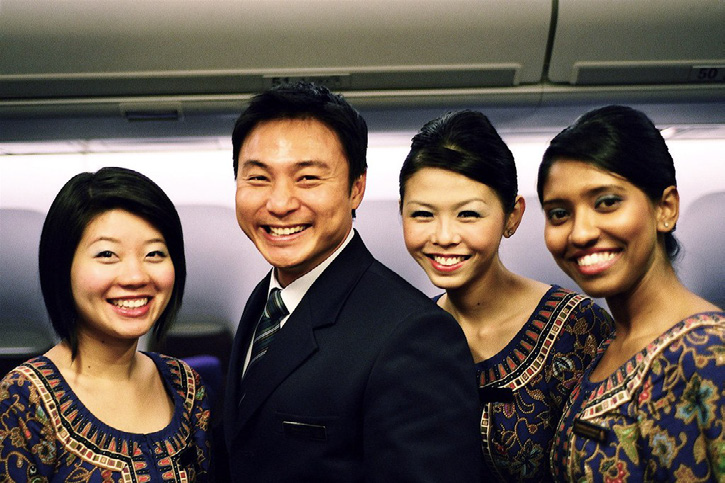
Figure 1. Singapore Airlines cabin crew have a world-class reputation for service.Source: Premshree Pillai is licensed under CC BY-NC-SA 2.0.
All their interactions were also carried out with the utmost courtesy, something which users consistently commented on as being a factor which set them apart from other crews. For regular flyers used to travelling with a variety of different airlines, the cabin crew’s behavior enabled Singapore to notably exceed expectations.
When an organization lacks responsiveness, it can be deeply damaging to the users’ experience. For example, one of the most expressed customer frustrations is spending a long time on hold when trying to contact customer service. Research shows that only 9.9% of people say that they are willing to remain on hold for more than five minutes, and only 40% say that they are willing to wait one minute or more (Harrison, 2022).
Despite this, a study by Microsoft found that average on-hold times for customer service in the UK ranged from 2 minutes for telecoms companies, to 36 minutes for energy companies. Other averages by sector included 4 minutes for local government 8 minutes for finance and insurance, 9 minutes for utilities and 13 minutes for retail (Microsoft, 2023). As well as creating an unpleasant user experience, this can lead to lost sales and cause significant reputational damage.
Flipping (Negative Benchmarking)
- Observe what competitors do badly.
- Resolve to do these things well.
- Design behaviors accordingly.
Eddie Stobart is one of the most successful UK haulage firms ever. Founded in the 1970s, it set out to do well what other haulage firms – in fact the industry in general – was seen as doing badly.
The image of truckers was, at the time, negative in the minds of many of the public. They had a reputation for dirty trucks, unfriendly and inconsiderate driving and a general scruffiness. Stobart insisted that his firm would be different. They would keep their trucks spotlessly clean, rive in a polite and considerate manner and dress smartly (Barford, 2011).
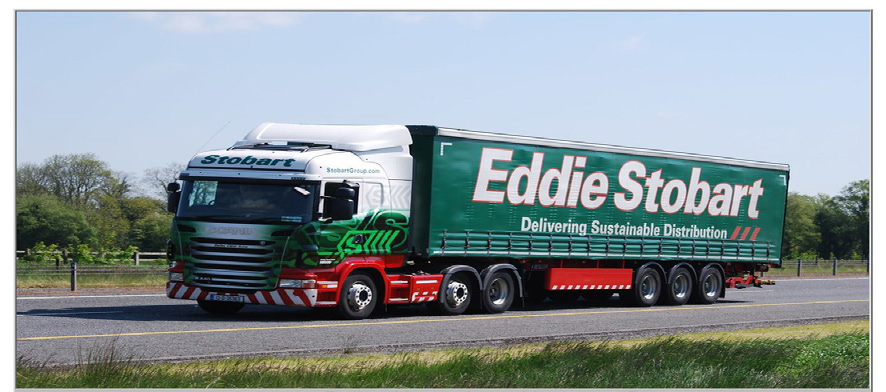
Figure 2. Eddie Stobart drivers name their trucks and keep them immaculately clean.Source: "..." by Peter Mooney is licensed under CC BY 2.0.
In the early days the drivers even wore suits, and later on distinctive uniforms that included shirts and ties. They set out to be – and succeeded in being – the antithesis of the negative stereotype. Businesses were proud to have their goods carried by Stobart and they created a unique brand image within the logistics industry.
Will Guidara, a very successful restaurateur from New York, took his staff to visit competing restaurants. His aim was not to see what they did well, but what they did badly. His staff and he came to the conclusion that while wine drinkers were given a great selection to choose from, beer drinkers were given very little choice. There was also little choice when it came to after-dinner coffee (Guidara, 2022). To set his restaurants apart, he appointed beer sommeliers and coffee sommeliers, offering his diners a wide choice of beers and coffees, offering knowledgeable advice about which to select and serving them stylishly (Sutherland, 2025).
Failure Mitigation
- Often behavioral issues are hiding in plain sight.
- These can cause the system in which they are embedded to break down severely.
- Mitigating these can have enormous benefits.
Several years ago, when I had the UK’s National Health Service as a client, I became aware of a problem that was causing thousands of needless deaths every year. The issue had been staring me in the face since I was a seven-year-old boy, but it wasn’t until I read a research paper from the USA that I understood the seriousness of it.
Doctors handwriting was causing deaths at an enormous and tragic scale. I remember as a young boy being unwell and my mom taking me to a doctor. He wrote a prescription which we took to the pharmacist. The pharmacist said he couldn’t read the handwriting very well but “thought” the prescription was for a particular medicine, which should be taken in a particular dosage.
Whether he was right or not, I’ll never know. I recovered from my illness with no side effects. Others have not been so lucky.
In the UK the vast majority of general practitioners now type prescriptions on a computer rather than write them by hand. There are also regulations in place requiring that prescriptions be written in block capitals if writing them electronically is not practical in certain situations (NHS Tayside, 2025).
These moves have been very helpful in reducing deaths and illnesses, but there are still areas in which handwriting does enter the healthcare system. For example, in hospitals in the UK handwritten notes are still used. One use case is patient notes that are made on a clipboard hung on the end of the bed.

Figure 3. A nurse reading handwritten patient notes. Notes written in poor handwriting can lead to patient fatalities.Source: "..." is licensed under CC BY 4.0.
In 2014 a study looked at the effect of taking handwriting out of hospitals (Schmidt et al., 2015). Clipboards were replaced with tablets, so that there was no danger that the notes made by doctors and nurses would be illegible. The deathrates in the hospitals that eliminated handwriting were compared with deathrates in other hospitals and with the deathrates in those same hospitals when they still used handwritten notes.
An analysis of the statistics suggested that removing handwriting from hospitals would save between 30,000 and 40,000 lives per year in the National Health Service. To put this in perspective, difficult-to-read handwriting kills the same number of people in the UK as lung cancer. If we can eliminate handwriting from the system, a huge number of lives will be saved (Borland, 2014).
Another example, also within the medical domain, is the use of checklists in preventing surgical errors (Gawande, 2011). For example, the World Health Organization has created a nineteen-point checklist, which checks things such as whether the area to be operated on is clearly marked, whether everyone in theatre knows what procedure is to be performed, and whether the anesthesia machines are working correctly (World Health Organization, 2025). Use of the checklist has been credited with significantly reducing doctor error – resulting in a 47% reduction in deaths and a 36% reduction in complications in operations where it is used (Haynes et al, 2009).
As well as safety critical situations – such as ensuring pilots make necessary checks before commencing a flight – checklists can be used to mediate behavior in a wide variety of situations. For example, they can be used to guide and evaluate customer service, making sure that each stage of interaction with a customer is considerate, empathic and meets the customer’s needs (Gosling, 2025).
Advocate for the User
This is about employees demonstrating that they are on the side of the user and going the extra mile to meet their needs. Sometimes it may mean taking the users’ side even when it appears to clash with the immediate interests of their employers or their own self-interest. Establishing trust with users can build relationships that are mutually beneficial in the longer term. Examples of advocating for the user are:
- Fight for (not against) the user – prioritize the user experience over other considerations.
- Trust building – develop a long-term relationship with the user based on trust.
- Unexpected generosity – give the user a little more than they were expecting.
Fight for (not Against) the User
- Encourage employees to put themselves in the user’s mindset.
- Make sure that they are happy with the resolution.
- Understand the potential consequences.
Because of a geographically distributed client base, I spend about half my nights in hotels. Many will be places that I visit on a one-off basis, but there are some chains and even some individual hotels that I use on a regular basis. I am also member of three private members clubs, which offer high-quality accommodation to members. Two of these are in London where in recent years I have spent about 100 nights per year.
I used one of these clubs regularly but switched to the other after a complaint I had about the website. I had booked a room for my son and me and was expecting it to be a particular price, but when I got to the club it turned out I had misinterpreted what was on the site, with the result that the cost was more than expected.
I felt that there were faults in the website design which had contributed to my misunderstanding of the price, and I was unhappy about it. I raised a complaint, and the duty manager came to talk to me about it. As a loyal member of the club, who had spent thousands on accommodation and business facilities over the last few years, I was expecting empathy, perhaps an apology and maybe, even better, being told that I could have the room for the price that I had thought it was.
I received none of those things. The manager defended the design of the website, and implied, I think, that I was responsible for any misunderstandings. There was no apology and no discounted room. I felt that the tone had been defensive and unemphatic to the point where I felt almost belittled.
The next time I stayed in London, I thought, in the light of this interaction, that I would stay in the other club. I had a good stay there and it has become my go-to place in London ever since. The incident happened in 2012 and between then and the start of the pandemic in 2020, I have stayed in London for approximately 800 nights, nearly all at the second club. A single ensuite room at the first club is £ 120 per night, giving a total loss in revenue of approximately £ 96,000. Almost £ 100,000 gone in a five-minute conversation.
I had almost the opposite experience with the UK hotel chain Travelodge. Travelodge now have a policy of not servicing the room during your stay, but back then that wasn’t the case. However, when my partner and I stayed at one of their hotels, they didn’t service it for two of the three days we were there.
I complained to the receptionist, who was upset on our behalf. He contacted head office, and they agreed to give me a voucher for three free nights in Travelodges of my choice. A few weeks later, I was on a motorcycle tour of Scotland and decided to use my vouchers. All the Travelodges I stayed in were good and it became my go-to hotel chain in the UK outside of London (where I still use the second club).
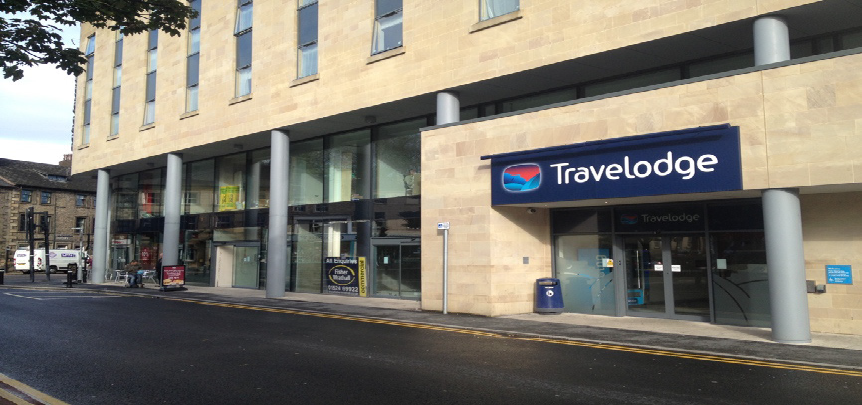
Figure 4. The actions of a Travelodge receptionist turned a negative experience into a positive one, winning tens of thousands of pounds of business from one customer.Source: "Travelodge, Lancaster - geograph.org.uk - 3658536" by Stacey Harris is licensed under CC BY-SA 2.0.
That was in 2017. Since then, I have spent, at a conservative estimate, 50 nights per year in Travelodges at an average of around £ 100 per night. If we take out 2020 because of the pandemic, that equates to about 400 nights or £ 40,000 in revenue, that has followed directly from that receptionist’s actions.
One person championed their company over the user and lost the company almost £100,000. The other championed the user over their company and gained the company £40,000. Both figures will continue to grow going forward as I keep using the second club and the Travelodge.
Some of the worst user experiences anywhere in the world can be had on the UK railway system. Ticketing can be very confusing with certain tickets only valid at certain times (with these times not being applied consistently across train companies or routes) and similarly complicated restrictions applying to the use of railcards (discount cards used by regular train users).
If a user makes a mistake and buys a ticket that is not valid for their time of travel, they will have to buy an entirely new ticket and may also face a fine and potentially a criminal prosecution. Some train companies have been zealous in prosecuting people for the most minor and trivial infractions, putting the user at risk of a criminal record.
For example, one young man bought a discounted ticket to use with his railcard before 10am one morning in September. Unbeknownst to him, the railcard wasn’t valid before 10am in September, despite the fact it had been in July and August. For that simple mistake, he was threatened with criminal prosecution (Gawne, 2024), which could have led to a criminal record that would have blighted his entire future prospects. Eventually, a judge intervened, declaring rail companies’ prosecutions unlawful and overturning 28,000 convictions (Sky News, 2025).
Railway company staff contributed to making some users’ experiences of rail travel appalling. However, probably the worst user experience in the UK that was caused by employee behavior might be what became known as the Post Office Scandal. This occurred between 1999 and 2015 after the Post Office introduced accounting software called Horizon.
Horizon was used by subpostmasters (people who run local Post Offices) to keep track of their accounts. Unknown to the users, the software contained bugs. This made it look – incorrectly – like there were shortfalls in the accounts. Rather than admit that the system was buggy, senior Post Office employees accused subpostmasters of theft, fraud and false accounting. Over 900 were wrongly convicted. Many were imprisoned, bankrupted, and made homeless (Race and Jones, 2024). The stresses led to illnesses and family breakdowns. At least thirteen people committed suicide as a direct result of the prosecutions. It was described by the British Prime Minister as one of the greatest miscarriages of justice in UK history (Walker, Boffey and Mason, 2024).
Trust Building
- Act with integrity.
- Be prepared to encourage down selling.
- Be open about drawbacks.
Joe Girard was the most successful car salesperson in the USA, a title he held for twelve consecutive years according to the Guinness Book of World Records. His citation in the Automotive Hall of Fame reads, “During his 13-year career (1963-1977) he sold more than 13,000 cars…averaging six cars per business day. On his best day, he sold 18 new vehicles, 174 in his best month and 1,425 in his best year” (Automotive Hall of Fame, 2001).
While the vast majority of car salespeople ask themselves how they can sell someone a car, he asked himself how he can sell them their next car. This put him in a different mindset. Rather than thinking about how he could get a quick win, he thought about how he could build a positive and lasting relationship with his customers. As a result, he focused on selling them vehicles that are best for their needs rather than those that would earn him the biggest commission.

Figure 5. Lexus owners consistently express delight with the integrity of their sales staff (Rosamond 2022).Source: "Lexus El Ef Aye" by Derek Walker Photo (Derk Photography) is licensed under CC BY-NC-ND 2.0.
While other salespeople looked to upsell, he would often down-sell – cautioning customers against expensive extras that they didn’t really need, or vehicles with repayments that would stretch them financially.
If you looked at his early years’ sales records, he would probably have seemed like a mid to low-level performer, lagging behind his upselling colleagues. But with time, came trust. Because he put the user first, they came back. His portfolio of customers grew and grew, and he hugely outperformed his colleagues.
The garage where I take my car to be serviced and maintained is a similar case in point. I have experienced other garages where I suspect they are doing work that may not be necessary, whereas with this one, I never get that feeling. They have, in my view, always done only what is necessary, which has built up trust from my side, leading to a long-term client relationship.
I have a similar long-term relationship with my IT maintenance supplier who have a generous policy of diagnosing issues for free and only charging for work carried out. Again, I feel they only do what is necessary. My lack of knowledge of both car mechanics and IT maintenance could make me vulnerable to being taken advantage in these areas. I come back time and again to these suppliers because their honesty and lack of upselling has created trust.
Unexpected Generosity
- Encourage employees to give customers something extra.
- Unexpected positives stick in the mind.
- Feels like the business is on the customer’s side.
I was in a KFC recently. It was a little treat to myself on the way home from London. I ordered myself a Trilogy Box Meal and when it came, which it did quickly, I found a table and sat down.
No sooner had I started eating it when I accidentally knocked over my drink, so far untouched, which spilled all over the table and the floor. I was embarrassed and went to get some serviettes to mop it up. While I was doing that the manager came over with a mop and some more industrial grade kitchen towel to wipe the floor and the table.
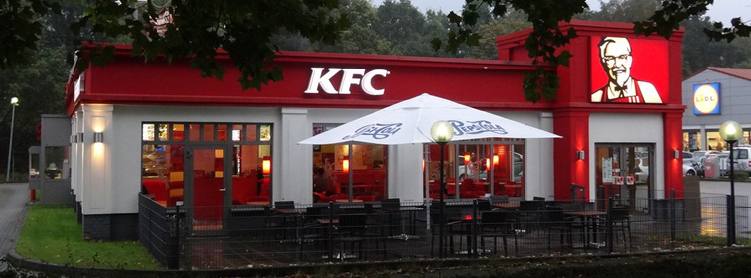
Figure 6. Excellent service from a KFC manager rescued what would have been a self-inflicted negative user experience.Source: "Osnabrück: KFC Restaurant" by harry_nl is licensed under CC BY-NC-SA 2.0.
I was embarrassed by the mess I had made and by adding to his already busy task list, but he took it in his stride with a cheerful smile, asked me what the drink was and then promptly went to get me a replacement. It was an act of unexpected generosity that exceeded my expectations and turned what could have been – at my own making – a bad user experience, into a good one.
I am often away for work and spend many nights of the year in hotels. Most corporate hotels are very pleasant, although perhaps not that different to each other and therefore not very memorable. Recently I stayed at a DoubleTree. Although I don’t remember the hotel as being particularly different from others I have stayed in, what I do remember is that the receptionist gave me a warm cookie on arrival. This wasn’t something he’d done on his own initiative; it is the hotel’s policy to offer all guests a warm cookie when they arrive. Nevertheless, it feels like an act of generosity, and it sticks in the mind, giving the DoubleTree something to differentiate itself in a crowded market. It’s also a great piece of word-of-mouth marketing (Morgan, 2018; Baer and Lemin, 2019), with more than a third of guests telling their friends about it (McGowan, 2025).
Another company that offers a memorable touch of generosity is Five Guys. When they serve fries, they not only fill the carton to overflowing, but they also put an extra scoop in the bag. Again, this is company policy, and, like the DoubleTree cookie, it’s a nice touch that’s memorable and makes you feel good as a customer (Legare, 2025).
Pay It Forward
This is about how the way organizations treat their employees has a knock-on effect in terms of how those employees then treat the users of the organization’s products and services. Employees who are happy, motivated and who see their job as important are more likely to help users have positive experiences (Yohn, 2023). Examples of paying it forward include:
- See the big picture – help employees to see how important they are to the users’ experience.
- Autonomous behavior – enable employees to make more decisions.
- Systemic negativity mitigation – remove systemic blockers to enabling employees to provide a good user experience.
See the Big Picture
- Frame roles in terms of the wider benefits they bring.
- Instill a sense of meaning and pride in employees.
- Help employees understand the effect of their actions on users.
Seeing the big picture can give people enhanced motivation to do their job well. For example, if a hospital cleaner sees themselves as someone who cleans floors and surfaces, they may be less motivated to do their job than if they see themselves as part of a medical team that saves lives.
One of my clients is an entertainments company. They run events, open to the paying public, many of which are set in large outdoor venues. Part of making the day run smoothly is making sure that people can park their cars quickly and efficiently and parking stewards are appointed and tasked with doing this.
Being a parking steward can be a stressful job. Trying to coordinate vast numbers of vehicles, dealing with drivers who don’t want to abide by the parking rules, being confronted by rude drivers, having things delayed by drivers who struggle to park. All of these things are in a day’s work.
It can be hard for parking stewards to remain cheerful and friendly when they see their plans for getting everything to run smoothly thwarted. If they see their job as simply being to get people to park efficiently, it is easy to get frustrated and maybe even short tempered.
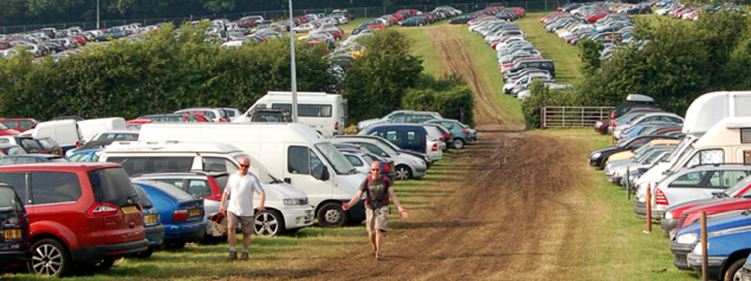
Figure 7. Cars parked at a Festival.
Source: "Glastonbury Festival - carparks E1 and E2 - geograph.org.uk - 1388949" by Andy F is licensed under CC BY-SA 2.0.
However, if their job is framed differently – being part of a team that helps people and families have a fantastic day out – then helping people to park efficiently becomes only one part of the equation. Being a friendly, cheerful presence takes on a high level of importance, especially as they may be the first people that visitors see when they arrive and the last people they see when they leave. Emphasizing the importance of their job in this way helps them to feel good about it and motivates them to pass that good feeling onto the public. The reality is that they may be equally important to how people remember the day as some of the star attractions, especially if things go wrong and a visitor’s day is spoiled.
There is a famous, possibly apocryphal, story about President John F. Kennedy’s visit to NASA in 1962. When walking along the corridor, he came across a janitor. When Kennedy asked the man what he did in his job he said, “I’m helping to put a man on the moon.” (Byerly, 2017). The man was providing a janitor service for his fellow employees, and it is likely that he would have performed it with significantly greater motivation and enthusiasm than if he saw his job in narrow terms such as cleaning and minor maintenance.
Whether that story is true or not, there is scientific evidence that when employees zoom out and see the bigger picture of what they do, it can increase performance and enhance the user experience. For example, a study of hospital cleaners showed that if they framed their jobs as being part of a medical team that saves lives, they spent more time interacting with those on the wards, enhancing the wellbeing of patients through their presence and conversation (Vance et al, 2022).
Autonomous Behavior
- Allow employees to make decisions.
- Have clear operating parameters.
- Give employees dignity.
Although self-employed people tend to earn less than those in conventional employment, they also tend to be happier in their work (Warr and Inceoglu, 2017). Research has shown that the main reason for this is that self-employed people have a higher level of autonomy.
The lesson for this is not necessarily that people should be self-employed, but rather that increasing the amount of autonomy given to workers will likely increase their levels of job satisfaction and motivation.
A few years ago, I had a local government client. To pay for local services, they collected a local tax known as Council Tax, and they had a call center to chase up people who had defaulted on payment.
Working in the call center was a miserable job. Workers were having to put up with a lot of hostile conversations, including verbal abuse. They had to stick closely to a script, telling them what to say in response to whatever the defaulting person said.
Job morale was very low and there was a high turnover of staff. Users of the service – those being called because they were in default – rated it as being extremely poor. There were few or no positives.
Having to stick rigidly to the script was one of the reasons that morale was so low. The call center workers felt that they had no autonomy. To try and improve morale the management decided that they would introduce some autonomy for the workers.

Figure 8. Giving call center workers a degree of autonomy boosts both their job satisfaction and the quality of the users’ experience.Source: "Call Centre" by The Open University (OU) is licensed under CC BY-NC-ND 2.0.
Workers still had a script, but this time there were decision points in it, where they were able to use their discretion to decide what to do. For example, if someone was behind with their payments, they could, within boundaries, decide how long they would give them to clear the deficit. They might also have discretion over the size and regularity of the deficit payments and over referring them to other services that could help them.
This change didn’t suddenly make this a great job, but it significantly improved morale and reduced staff turnover. It also led to better customer service, with less complaints and higher ratings from users.
The Ritz-Carlton is one of the world’s most luxurious hotel chains. They have a rule that employees are allowed, at their own discretion, to spend up to $2000 to solve guests’ problems, without having to escalate the matter to their manager. In one case, for example, a mother mentioned that her child was unable to locate his Thomas the Tank Engine toy when they were due to leave to catch a flight. The staff member couldn’t locate the toy either, but, after the family had left, went to a toy shop, bought an identical toy and posted it to the family along with a note telling a story about how the toy had “gone on its own vacation”.
In another example, after a guest had left their laptop in the hotel, an employee took a flight to return the laptop in person. Both of these approaches fell within the $2000 limit, so weren’t questioned by management, and both significantly enhanced the guests’ user experiences (Masjedi, 2025).
Systemic Negativity Mitigation
- System-driven behavior can result in a negative customer experience.
- Can be driven by measures or metrics.
- These problems can be unintended consequences of other benefits.
Probably the easiest way for wheelchair users to get around London by public transport is by bus. The train network in London relies on infrastructure that is dated and not all stations – either underground or overground – are wheelchair accessible.
Buses all have ramp access and a space for a wheelchair; however, research has shown that many wheelchair-using Londoners still don’t like to use buses. The most common reason given for this is that most have, at one time or another, experienced rudeness from a driver (Nickpour, Jordan, and Dong, 2012).
The reason for this seemed to be a result of the way that the performance of bus companies was measured. Transport for London (TfL) grant franchises to bus companies to run particular routes. They then monitor their performance on those routes, with the main metric being whether the bus runs on time.
Helping a wheelchair user abord a bus takes time. The ramp needs to be deployed with the doors closed. The doors then open so that the wheelchair user can board. They then close again while the ramp is retracted before opening again to let other passengers on. Going through this procedure may make the difference between the bus running on time and it being late.
Having the bus run late may result in a notification from TfL to the bus company. If it is a regular occurrence, the company may face a fine or other sanction for running late. This may be seen as a reflection on the bus driver who may get reprimanded by their boss. Because of this, helping a wheelchair user abord the bus can be stressful, even when it goes smoothly. When there are additional hold ups, for example because other passengers don’t clear the wheelchair space quickly, the stress on the driver increases.

Figure 9. London bus. Pressure to keep to time can lead to drivers feeling stressed when wheelchair users are boarding.Source: "New London Bus" by vic_206 is licensed under CC BY-NC-ND 2.0.
While it would, of course, be preferable for drivers to be polite and always welcoming, the way that their performance is evaluated makes incidents of rudeness or unwelcoming behavior more likely. In this case, it is the system that is provoking the non-optimal behavior and only by changing it – in terms of the way performance is measured – are disabled people likely to receive an optimal user experience.
Think Differently
This is when employees initiate or carry out behaviors that are unexpected or out of the ordinary. They create interactions that are memorable and interesting, which delight the user and change their perspectives. Some of these interventions may have a profound effect on users’ wellbeing. Examples of thinking differently include:
- Reframing – improving UX through helping users see the benefits of an apparently negative situation.
- Creating (good) drama – creating a moment that makes the user experience unforgettable.
- Affirming behaviors – helping the user to feel good about themselves.
Reframing
- Casting something often seen as negative in a positive light.
- Pointing out the benefits.
- Creating a new narrative.
Sometimes, after a plane lands at an airport, there are no gates available in the terminal. This may be because other flights are delayed and blocking gates, or in some cases there may simply not be enough gates for the volume of air traffic.
In these cases, passengers will usually be taken to the gate by bus.
For many, the bus is seen negatively. Marketing guru Rory Sutherland describes feeling “short-changed and mildly resentful” when an airbridge isn’t available. However, this all changed for him on a flight where the pilot sold the bus as being a bonus rather than a drawback.
Announcing to the passengers that there were no gates free, he declared, “the good news is that the bus will drop you off outside passport control, so you won’t have far to walk with your bags”. Sutherland said that after years of flying this benefit hadn’t really dawned on him, but what the pilot was saying was true.
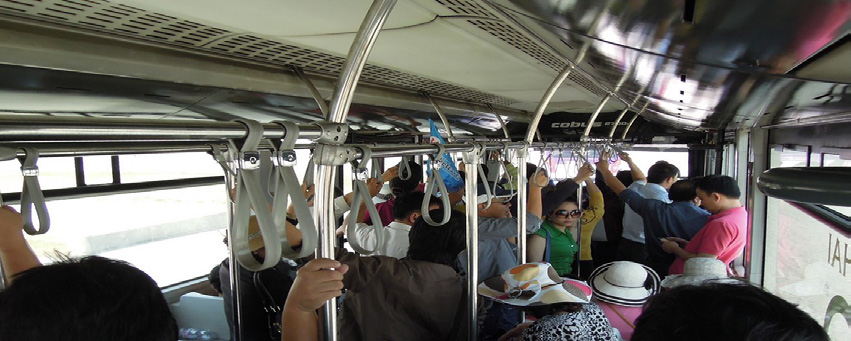
Figure 10. The airport bus has the advantage of taking passengers straight to passport control. Source: "Cobus Airport Apron Bus, Suvarnabhumi Airport, Bangkok" by David McKelvey is licensed under CC BY 2.0.
Nothing had changed, but now he could see the bus was a benefit and no longer felt he was missing out by not entering the airport via a gate.
Creating (Good) Drama
- Memorable moments.
- Behaving out of the ordinary (in a good way).
- Creating a story.
One day my father was shopping at Safeway, his local supermarket. As he put his groceries on the checkout conveyor belt the store manager happened to be passing on his daily tour of the floor.
“I see you’re a fan of our raison bread,” he said, seeing that my dad was buying two loaves.
“Yes,” said my dad, “but I don’t think there are as many raisons in it as there used to be.”
The manager picked up a loaf took it out of its wrapper and broke it in two. Inspecting it he said, “you’re absolutely right sir, there aren’t as many raisons in this loaf as there should be. Please let me have your name and address and we’ll sort something out for you. In the meantime, have these loaves on us.”

Figure 11. A store manager’s theatrical approach to dealing with a complaint about raison bread led to a very positive and memorable user experience. Source: "Raisin Bread from Mix Bakery" by roland is marked with CC0 1.0.
He asked an assistant to replace the broken loaf, so dad came home with two free loaves and, because the manager had taken his name and address, the expectation that some discount vouchers would arrive in the post sometime in the next few days. An outcome that he would have been pleased with.
What actually happened was much better.
About half an hour after dad got home, a Safeway van pulled up outside the house. The driver got out and delivered three freshly baked raison loaves, still warm from the oven. Each was packed with raisons, exactly as dad liked.
This makes a fantastic and memorable story because there is so much unexpected drama in it. The breaking open of the loaf in the supermarket, the freshly baked loaves being delivered to the house. In the story, dad is king because the manager and others have gone to so much trouble to help him.
He told the story to me and his friends. I told it to my friends and lots of people I work with in a professional capacity. His friends likely told their friends. This was in the days before social media, but it was a word-of-mouth story that went viral, created a special and memorable user experience and generated lots of positive feeling towards the business. Given that 74% of consumers sight word-of-mouth as influencing their purchase decisions (Lamberton, 2025), stories like these can be incredibly powerful.
Some years ago, I bought a new Audi Q7. When I went to collect it from the dealership, they made somewhat of a ceremony of the handover. Aside from the main showroom, there was a smaller handover room where my car was on display – the only car in the room. I completed the final paperwork in there and the salesman gave me a coffee and talked me through the features of the vehicle before I drove it off the lot.
This little piece of drama made a special occasion of the situation and felt like a very nice way to start life with the new car. A search on YouTube shows that some sellers add additional touches, such as a having the car covered in a sheet and removing it to reveal the vehicle when the new owner arrives.
Affirming Behaviors
- Giving users personal positive affirmations can be powerful.
- These can boost users’ mood and improve the user experience.
- Sometimes they can be profound.
Khoo Teck Puat hospital in Singapore has a highly innovative approach to healthcare. They have implemented lots of imaginative ideas that improve their patients’ health and wellbeing. When I visited the hospital some years ago, the thing that stayed with me above all was their approach to end-of-life care.

Figure 12. Khoo Teck Puat hospital is known for its innovative approach to patient experience.Source: "Khoo Teck Puat Hospital" by Eustaquio Santimano is licensed under CC BY-NC-SA 2.0.
When life-saving intervention is no longer viable, patients are transferred to the top floor of the hospital, into what are known as the “Lily Rooms” (Chen, 2014). Patients have their own personal Lily Room where they can spend their final days in comfort. Family can come and visit, and the patient can spend time listening to their favorite music or watching their favorite TV shows. Perhaps the most notable thing about the Lily Rooms, though, is that the nurses are trained to help the patients create a narrative of their lives.
The nurses ask questions of the patients to understand who they are and who they were when they were younger. They probe to find the important stories of their lives, asking the patients themselves but also their visitors. They encourage visitors to bring in old photographs depicting special memories or which are indicative of what the patient was doing at a particular life stage.
All this material is used as the basis for creating a life narrative that is coherent and captures the essence of the person’s years on earth. The idea is that people can die more contentedly if they see their life as being coherent – a story with a beginning middle and end, and a clearly defined legacy left behind.
While the end-of-life user experience at Khoo Teck Puat hospital can be profound, affirming narratives can also enhance user experience in more everyday situations. For example, when my son was little, I once took him go-karting for his birthday. He very much enjoyed speeding around the track and loved his session. What made it even better was that at the end the instructor came across and told him that he had driven “superbly and really fast” – that affirming narrative gave him a great boost and added another level of enjoyment to what had already been a good experience.
Discussion
When designing a user experience, it is crucial that organizations consider the behavior of the employees that interact with the users of their products and services.
Prescription and Discretion
Sometimes this may mean prescribing behaviors – for example, high-end hotels and restaurants, such as the Ritz in London, train their staff exactly how to behave in given situations. This includes how to serve food and beverages (using a detailed step-by-step plan), how to address guests and how to deal with complaints (Hemp, 2002).
This is detailed behavior design, similar to the call-center case study that we looked at earlier. As the call-center did, many high-end hotels will insist on tightly designed behavior for much of the time but will also give the staff an element of discretion. In the case of the Ritz-Carlton chain, employees can spend up to $2000 to help solve a guest’s problem without requiring approval from a superior. Some other high-end hotels also take a similar approach (Solomon, 2015). Other companies that allow their employees independence and discretion in solving problems include Zappos, Costco, Virgin America, and Disney (Morgan, 2018).

Figure 13. Ritz-Carlton enable staff to take the initiative in solving guests’ problems.Source: "Ritz-Carlton - один из немногих удачных примеров московского новодела. Архитектурная бутафория, но симпатичная." by varfolomeev is licensed under CC BY-NC 2.0.
Interestingly, Pret-A-Manger goes a step further (at least conceptually, if not financially). Not only do they encourage employees to use their discretion, they set targets for it. Each employee is required to give away a certain amount of free food and drink to customers. It is up to them who they give it to and why, but they have targets to meet in terms of making sure they don’t fall short in the quantity of freebies given (Rainey, 2015). While this seems a generous policy, there have been some concerns over how staff select those who will receive the free food and drink and whether there might be a risk of favoritism or discrimination (Elgot and Addley, 2015).
Framing
This is about understanding the various contexts through which something can be viewed and selecting the optimum one for a particular situation. It includes helping people to frame their own situations optimally – as in the case of a person seeing themselves as a someone who is part of an entertainments team rather than as simply a car park attendant. Helping customers to see the airport bus as a benefit because it goes straight to passport control would also be an example of framing – specifically reframing in this case as most air passengers may have had a negative view of it.
Framing techniques are often taught as part of therapeutic approaches such as Cognitive Behavioral Therapy (CBT) (Kennerley, Kirk and Westbrook, 2016) and Neurolinguistic Programming (NLP) (Bandler, 2013). While CBT tends to use framing for challenging negative perceptions about the self, NLP includes techniques for “context framing” (Smith, 2016). These involve looking at a particular situation in different ways.
Often this involves zooming in and zooming out of a situation (known as ZIZO) (Moss Kanter, 2011). For example, the parking attendant seeing themselves as part of a team that provides a great entertainment experience would result from zooming out from a narrower definition of their job. They would then zoom in again to consider the specific behaviors that would help users have a great day out.
Similarly, with the airport bus. Zooming out from the situation enables us to understand that what happens after deplaning is not simply about passengers getting to the gate smoothly, but also about getting through the airport and on to their destination. We can see the advantage that a bus can give in that process – getting to passport control more quickly – and then zoom in on that when telling passengers that deplaning will be via the bus.
Mindset
Employee mindset is key to several of the approaches explored in this paper. Simply put, the mindset required is “user-first.” This may seem straightforward, but it is not always easy to maintain. Employees may intuitively want to defend their organization against what they perceive as criticism (Gillespie and Reader, 2025). This was the case in the example of the duty manager at the club. She was probably acting out of what she thought was the best of intentions – loyalty to the club. But as the complaints were stonewalled it came across as defensive and lacking in empathy, with catastrophic financial consequences.
There will be situations in which it is appropriate for employees to push back against user complaints. Even then, the mindset should still be user-first – it is very important that the interaction still leaves the user feeling good about themselves. Using respectful, empathic language is a big part of this. Phrases such as “I realize how frustrating this must be for you,” or “Thank you for sharing that with me,” can reassure the user that they have been listened to and respected, for example. Responding defensively is likely to make users think that their views, opinions and lived experience don’t matter (Nasser, 2023). There will, of course, be occasions where users are verbally abusive towards staff and in these cases, it would be entirely appropriate for the organization to defend those affected (Ryley, 2017).
It is the user-first mindset that is also behind building trust. In the example of the car salesperson, it was his determination to always put users first that built the long-term trust. Again, these situations may not be easy psychologically for staff, particularly if they are having to sacrifice immediate gains to build the relationship.
One way in which organizations can encourage sales staff to focus on long-term relationships is with their reward structures (Maza, 2023). For example, if developing long-term relationships between users and sales staff is a goal, it may be better to put sales staff on a fixed income to start with and then introduce commission once relationships have been established. This removes the incentive to sell the user things that they don’t need in the early days. Once trust has been established it can help to create regular repeat sales and is something that sales staff will likely value preserving.
Having a user-first mindset can also contribute to staff acting with unexpected generosity. When the manager of my local KFC replaced my spilled drink, he took action to make me feel better before getting on with the task of cleaning the floor. This was a great example of how to react to a situation in which a something negative had happened to a user – in this case because of my own mistake – and thinking how to take that negative away as quickly as possible.
Other times this mindset can be used to enhance a user experience even before anything potentially negative had happened. For example, in the example we looked at with Five Guys overfilling the fries container and putting an extra scoop in the bag (Sutherland, 2019). The first time you experience it, it’s a nice, unexpected bonus.

Figure 14. Five Guys overfill the fries container and put an extra free scoop in the bag.Source: "In my quest for french fried perfection, I got these" by Dave77459 is licensed under CC BY-NC-SA 2.0.
The free cookie at the DoubleTree would also fall into this category. Again, the first time at least, it’s something unexpected that adds delight to the experience and makes it memorable (Bradley, 2015).
Narrative and Storytelling
Understanding what makes a good story can help to enable great user experiences. In the case of the raison bread case study – about creating good drama – the drama came from doing something unusual and out of the ordinary. The breaking of the loaf and the freshly baked bread arriving at the house make for a great story – one which has been told over and over, generating great word of mouth publicity for the store. The formal name describing the concept of what encourages people to tell a story is “tellability” (Baroni, 2014).
Generally speaking, stories are more tellable if they contain events that deviate from a typical template of what would happen in a given context (Bruner, 1991). What happened in this case is very untypical of what you would expect when going to a supermarket, so the story has high tellability. A story that is highly tellable will also tend to be highly memorable (Fodor, 2024). This means that the person will be able to recall and gain ongoing enjoyment from their positive experience. Of course, the flipside to this is that if they encounter a bad experience that makes for a tellable story, that will also tend to stick in their mind.
Another important aspect of a story is “narrativity” (Porter Abbott, 2014). Narrativity, is the extent to which a story is “story like” – for example, does it have a recognizable type of plot; does it have a beginning, middle and end? Although the term may not have been used by the hospital, the nurses in Khoo Teck Puat were trained in – in effect – how to help people create a high-narrativity story of their lives.
Sector Analysis
Many behavioral approaches to improving the user experience require sector knowledge. This means understanding the issues that affect user experience within the sector the organization is operating within. These include understanding the sorts of benefits users are expecting, the performance of competitors, and the kinds of things that may go wrong (Holst, 2025).
In the flipping (negative benchmarking) example, Eddie Stobart observed the behavior of other haulage firms and spotted an opportunity to excel in an area where his competitors performed poorly, giving them a highly notable advantage in a particular aspect of user experience. In the case of Singapore Airlines, they understood what the user wanted – as did their competitors – but they worked hard to deliver it to a higher level.
Failure mitigation and systemic negativity mitigation are about analyzing things that commonly go wrong within the sector and taking steps to rectify them. The issue with doctors’ handwriting had been hiding in plain sight for many years. People used to make jokes about it, but for years and years no one ever seemed to register the associated dangers (Evans, 2009).
In the case of the rudeness experienced by wheelchair users from stressed bus drivers, this only came to light after Transport for London commissioned research into why disabled people weren’t using buses in the numbers expected, despite London buses being more physically accessible than ever. This highlights the importance of looking beyond what might usually be seen as important to understand what is really going on within a sector (Nickpour and Jordan, 2012).
Behavior in Context
At the beginning of the paper, we listed the various “building blocks” of user experience. While this paper emphasizes the importance of behavior and makes the case that it can be the biggest contributor to user experience, this will be context-dependent and won’t apply in all situations.
For example, there will be some situations in which the user has little or no contact with another human when performing a task. If an interface is well designed, the user may be able to achieve what they set out to quickly and efficiently without the need for any human intervention. It may be that they will only need to resort to seeking contact with a helpdesk, or other human-human interaction, if things go wrong – good interface design could render it unnecessary.
There will also be cases where other factors influence the user experience to such an extent that they will override any human-human interaction experiences. For example, if from a functional point of view, the product or service doesn’t work or undergoes a catastrophic failure, employee behavior may be of little consequence to the user, especially if there is no-one there to help at the time the failure occurs. To use an extreme example, if a plane crashes due to functional failure, the behavior of the cabin crew is likely inconsequential.
It is also the case that there are some user experiences where other people are inherently part of the experience and others where they are in the background or not involved at all. For example, when taking a taxi, the behavior of the driver is likely to be central to the quality of the user experience, whereas when using Word on the computer the behavior of Microsoft’s employees on user experience may be tiny.
UX and Other Disciplines
An issue that could potentially affect the implementation of behavioral solutions may be a lack of clarity over which disciplines have responsibility for it. While it is undoubtedly central to the quality of many user experiences, does that mean that UX practitioners will be able to influence it?
The answer may vary from organization to organization. One of the reviewers of an earlier draft of this paper, said that they agreed with the premise of this paper and that as a UX practitioner they had tried to influence behavioral issues. However, they had, on occasion, been blocked from doing so because their clients saw it as someone else’s responsibility – for example marketers, service designers or brand strategists.
An issue is that there is not a universally agreed definition of UX. Norman and Nielsen (1998) define it as “[encompassing] all aspects of the end-user's interaction with the company, its services, and its products.” This definition would suggest that the behaviour of an organisation’s employees would be a core aspect of it. However, there are other descriptions that suggest a more limited view of the discipline such as “designing graphical user interfaces” (Myers, 2022); or “[making] the interface clear, user-friendly, and easy to understand” (Outcrowd, 2025). Another perspective sees it as sub-section of Customer Experience (CX), where CX covers behavioural issues, but UX doesn’t (Finn and Downie, 2025).
I would argue strongly for the Nielsen-Norman definition, with the examples in this paper being evidence for it. That is not necessarily to imply that all behaviour design needs to be carried out by UX professionals alone. In some organisations it may be a collaborative effort involving a number of professionals – including marketers, service designers or brand strategists – whose expertise gives them relevant insights.
Conclusions
The examples in this paper illustrate the huge, sometimes profound, effect that employee behavior can have on user experience. The twelve approaches described – illustrated in Figure 15 and summarized in Table 1 – can be used to enable positive user experiences.
This is an area of high impact that has received very little attention within UX research and practice. It is worthy of increased consideration going forwards.
Table 1. Description of UX enhancing behaviours
|
HIGH PERFORMANCE |
Employees performing notably better than rival companies. |
|
Responsiveness |
• Noticing and rapidly responding to customers’ needs. • Being proactive in anticipating problems and finding solutions. • Exceeding expectations. |
|
Flipping (Negative Benchmarking) |
• Observe what competitors do badly. • Resolve to do these things well. • Design behaviors accordingly. |
|
Failure Mitigation |
• Often behavioral issues are hiding in plain sight. • These can cause the system in which they are embedded to break down severely. • Mitigating these can have enormous benefits. |
|
ADVOCATE FOR THE USER |
Employees demonstrating that they are on the user’s side. |
|
Fight for (not Against) the User |
• Encourage employees to put themselves in the user’s mindset • Make sure that they are happy with the resolution • Understand the potential consequences |
|
Trust Building |
• Act with integrity. • Be prepared to encourage down selling. • Be open about drawbacks. |
|
Unexpected Generosity |
• Encourage employees to give customers something extra. • Unexpected positives stick in the mind. • Feels like the business is on the customer’s side. |
|
PAY IT FORWARD |
Treating employees well can encourage them to treat users well. |
|
See the Big Picture |
• Frame roles in terms of the wider benefits they bring. • Instill a sense of meaning and pride in employees. • Help employees understand the effect of their actions on customers. |
|
Autonomous Behavior |
• Allow employees to make decisions. • Have clear operating parameters. • Give employees dignity. |
|
Systemic Negativity Mitigation |
• System-driven behavior can result in a negative customer experience. • Can be driven by measures or metrics. • These problems can be unintended consequences of other benefits. |
|
THINK DIFFERENTLY |
Initiate behaviours that are different, out of the ordinary. |
|
Reframing |
• Casting something often seen as negative in a positive light. • Pointing out the benefits. • Creating a new narrative. |
|
Creating (Good) Drama |
• Memorable moments. • Behaving out of the ordinary (in a good way). • Creating a story. |
|
Affirming Behaviours |
• Giving users personal positive affirmations can be powerful. • These can boost users’ mood and improve the user experience. • Sometimes they can be profound. |
References
Automotive Hall of Fame. (2001). Joe Girard. Automotive Hall of Fame.
Baer, J., and Lemin, D. (2019). Talk Triggers: The Complete Guide to Creating Customers with Word of Mouth. Portfolio.
Bandler, R. (2013). The Ultimate Introduction to NLP: How to Build a Successful Life: The Secret to Living Life Happily. Harper Collins.
Barford, V. (2011, April 1). How did Eddie Stobart become so famous? BBC News.
Baroni, R. (2014, April 18). Tellability. The Living Handbook of Narratology.
Borland, S. (2014, September 24). Nurses' poor handwriting and maths 'is costing lives': Death rate at two hospitals falls 15% when staff were given electronic devices to record information. Daily Mail.
Bradley, L. (2015, August 14). A warm, gooey welcome: when did fresh cookies become part of the hotel front desk? Slate.
Bruner, J. (1991). The narrative construction of reality. Critical Inquiry, 18, 1–21.
Byerly, J. (2017, November 4). The janitor who helped put a man on the moon. From the Green Notebook.
Chen, J. (2014, May 15). Is there room for dying well in Singapore? Challenge.
Downe, L. (2020). Good Services: How to Design Services that Work. BIS Publishers.
Elgot, J., and Addley, E. (2015, April 22). Pret staff's free coffee for people they like: discrimination or a nice gesture? The Guardian.
Evans, R. (2009, August 27). Patient records: jokes about doctors’ bad handwriting are no longer funny. HSJ.
Finn, T. and Downie, A. (2025, November 9). What is user experience (UX)? IBM Think.
Fodor, M. (2024, May 28). Constructing the tellability of intergenerational memory narratives in collective remembering in StoryCorps, a digital memory-sharing platform. Memory Studies.
Gawande, A. (2011). The Checklist Manifesto. Profile.
Gawne, E. (2024, October 9). 'I'm facing court over £1.90 rail ticket error'. BBC News.
Gillespie, A., and Reader, T. (2025). The complaint handler’s bind: How organisational constraints lead to defensive responses to criticism. PLoS One, 20(6). https://doi.org/10.1371/journal.pone.0325185
Gorp, T. van, and Adams, E. (2012). Design for Emotion. Morgan Kaufmann.
Gosling, B. (2025, November 7). Customer service QA checklist: top quality assurance questions to ask. NWQQO.
Guidara, W. (2022). Unreasonable Hospitality: The Remarkable Power of Giving People More Than They Expect. Portfolio.
Harrison, T. (2022, September 1). How long should you keep your customers on-hold? Onhold Studio.
Haynes, A.B., Weiser, T.G., Berry, W.R., Lipsitz, S.R., Abdel-Hadi, S. Breizat, A-H. S., Dellinger, E.P., Herbosa, T. (2009). A surgical safety checklist to reduce morbidity and mortality in a global population. The New England Journal of Medicine, 360(5).
Hemp, P. (2002, June). My week as a room-service waiter at the Ritz. Havard Business Review.
Holst, C. (2025). The step-by-step guide to UX competitive analysis. Baymard Institute.
Jordan, P. W., 2008. The four pleasures: understanding users holistically. In H. Khalid, A. Hedge, and T. Z. Ahram (eds.), Proceedings of Applied Human Factors and Ergonomics International. CRC Press.
Jordan, P. W. (1998). An Introduction to Usability. Taylor and Francis.
Jordan, P. W. (2000). Designing Pleasurable Products. Taylor and Francis.
Kennerley, H., Kirk, J., and Westbrook, D. (2016). An Introduction to Cognitive Behaviour Therapy: Skills and Applications. SAGE Publications.
Lamberton, J. (2025). What is word of mouth marketing. Big Idea.
Legare, N. (2025, February 24). The psychology behind why Five Guys gives you so many extra fries. Yahoo Life.
Masjedi, Y. (2025, May 29). The $2,000 Ritz Carlton rule every customer experience leader can learn from. LinkedIn Pulse.
Maza, C. (2023, May 31). 5 sales commission structures: pros, cons and how to choose the right one. Zendesk.
McGowan, G. (2025). Kneading neuroscience into marketing: the doubletree cookie experience. Gerrit McGowan.
Microsoft (2023). The call centre wait times that leave UK customers hanging on for up to 85 minutes, Microsoft UK Stories. 5 July, 2023.
Morgan, B. (2018, March 14). 10 companies that arm employees with tools to fix customer problems. Forbes.
Morgan, B. (2018, November 1). Talk Triggers: The complete guide to creating customers with word of mouth. Forbes.
Moss Kanter, R. (2011, March). Managing yourself: zoom in, zoom out. Harvard Business Review.
Myers, A. (2022, April 26). In Human-Centered AI, the boundaries between UX and software roles are evolving. Stanford University Human-Centered Artificial Intelligence.
Nasser., K. (2023). Defensive responses that tell customers they don’t matter. Kate Nasser, The People Skills Coach.
NHS Tayside. (2025). Safe and secure handling of medicines. NHS Scotland.
Nickpour, F., and Jordan, P. W. (2012). Accessibility in public transport – a psychosocial approach. In Stanton, N.A. (ed.), Advances in Human Aspects of Road and Rail Transportation(pp. 341-350). CRC Press.
Nickpour, F., Jordan, P. W., and Dong, H. (2012). Inclusive Bus Travel: A Psychosocial Approach. In P. Langdon, J. Clarkson, P. Robinson, J. Lazar, and A. Heylighen, Designing Inclusive Systems(pp. 13-23). Springer.
Norman, D. A. (2004). Emotional Design: Why We Love (or Hate) Everyday Things. Basic Books.
Norman, D. and Nielsen, J. (1998, August 8). The definition of User Experience (UX). Nielsen-Norman Group.
Outcrowd. (2025). The boundaries of creativity in UX/UI. How do you tell if you’ve crossed them? Outcrowd.
Porter Abbott, H. (2014, January 20). Narrativity. The Living Handbook of Narratology.
Smith, A. (2016, October 12). Framing and some commonly used frames. Practical NLP Podcast.
Race, M., and Jones, L. (2024, January 17). Post Office scandal: The ordinary lives devastated by a faulty IT system. BBC News.
Rainey, C. (2015, April 22). Pret A Manger’s CEO says employees can give free food to random customers. Grub Street.
Rosamond, C. (2022, July 27). Best car dealers 2022. Auto Express.
Ryley, M. (2017, November 13). Defending staff against abusive customers. People Management.
Sanders, M., and McCormick, E. (1992). Human Factors in Engineering and Design. McGraw-Hill Education.
Schmidt, P. E, Meredith, P., Prytherch, D. R., Watson, D., Watson, V., Killen, R. M., Greengross, P., Mohammed, M. A., and Smith, G. B. (2015). Impact of introducing an electronic physiological surveillance system on hospital mortality. BMJ Quality and Safety, 24, 10–20
Sky News (2025, January 29). Hundreds of train fare evasion cases quashed after unlawful prosecutions. Sky News.
Solomon, M. (2015, January 15). Heroic customer service: When Ritz-Carlton saved Thomas the Tank Engine. Forbes.
Sutherland, R. (2017, March 25). How I learned to love the airport bus. The Spectator.
Sutherland, R. (2019). Alchemy: The Magic of Original Thinking in a World of Mid-Numbing Conformity. Penguin.
Sutherland, R. (2025, April 25). Why the restaurant world hates beer drinkers. The Spectator.
Telford, O. (2020). Cognitive Behavioral Therapy: Simple Techniques to Instantly Be Happier, Find Inner Peace, and Improve Your Life. Pristine Publishing.
Vance, N., Ackerman-Barger, K., Murray-García, J. and Cothran, F. A. (2022). “More than just cleaning”: A qualitative descriptive study of hospital cleaning staff as patient caregivers. International Journal of Nursing Studies Advances, 4.
Walker, P., Boffey, D., and Mason, R. (2024, January 10). Horizon scandal: hundreds of post office operators to have convictions quashed. The Guardian.
Warr, P. and Inceoglu, I. (2017). Work orientations, well-being and job content of self-employed and employed professionals. Work, Employment and Society, 32(2).
World Health Organization. (2025). WHO Surgical Safety Checklist.World Health Organization.
Yohn, D. L. (2023, April 23). Engaged employees create better customer experiences. Harvard Business Review.
Derechos de autor: Universidad Nacional de Colombia.
Este documento se encuentra bajo la licencia Creative Commons
Atribución 4.0
Internacional (CC BY 4.0).
