Correo Electrónico
 DNINFOA - SIA
 Bibliotecas
 Convocatorias
 Identidad U.N.


Publicado
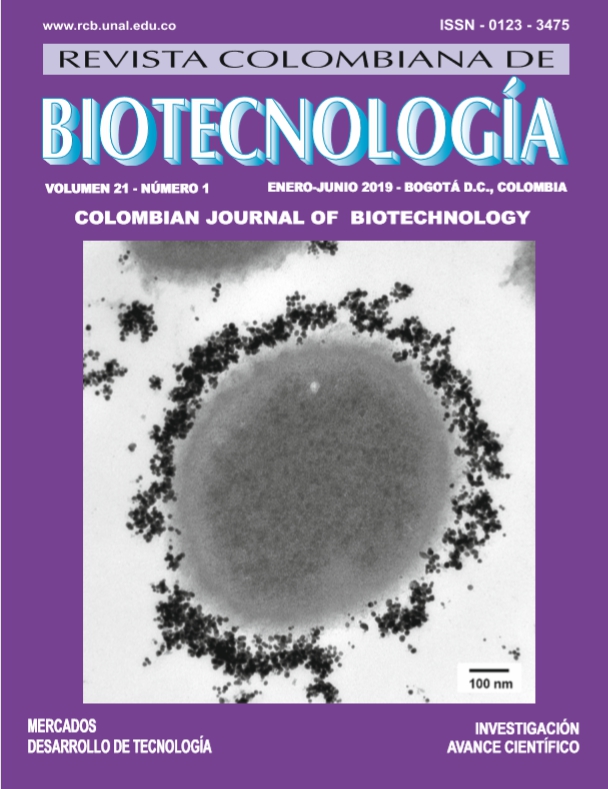
Biotechnological valorization of agro industrial and household wastes for lactic acid production
Valorización biotecnológica de residuos agroindustriales y domésticos para la producción de ácido láctico
DOI:
https://doi.org/10.15446/rev.colomb.biote.v21n1.69284Palabras clave:
Lactic acid, microorganism, cellulose, starch, hydrolysis, organic waste (en)ácido láctico, microorganismos, celulosa, almidón, hidrólisis, residuos orgánicos (es)
Descargas
Lactic acid (LA) is an organic compound used in several industries, such as food, textile, chemical, and pharmaceutical. The global interest in this product is due to its use for the synthesis of numerous chemical compounds, including polylactic acid, a biode-gradable thermoplastic and substitute for petroleum-derived plastics. An in-depth overview of the use of industrial and household wastes as inexpensive substrates in order to reduce the cost of LA production is presented. A review is carried out of the biotech-nological aspects that must be taken into account when using some wastes with high transformation potential to produce LA in a submerged culture, as well recommendations for their use. The advantages and disadvantages of different types of treatments used for the transformation of waste into suitable substrates are considered. Several methods of fermentation, as well as genetic strategies for increasing the production, are summarized and compared. It is expected that in a few years there will be many ad-vances in these areas that will allow greater large-scale production of LA using agroindustrial or household wastes, with potential positive economic and environmental impact in some regions of the planet.
El ácido láctico (AL) es un compuesto orgánico utilizado en diferentes industrias como la alimentaria, textil, química y farmacéuti-ca. El interés mundial en este producto se debe a su uso para la síntesis de numerosos compuestos químicos, entre los que se incluye el ácido poliláctico, un termoplástico biodegradable y substituto del plástico derivado del petróleo. En este artículo se presenta una descripción general y en profundidad, del uso de residuos agroindustriales y domésticos como sustratos económicos para reducir los costos de producción del AL. La revisión aborda los aspectos biotecnológicos que deben ser considerados al utilizar algunos residuos con alto potencial de transformación para producir AL en un cultivo sumergido, así como algunas reco-mendaciones para su uso. Además, se consideran las ventajas y desventajas de diferentes tipos de tratamientos empleados para la transformación de residuos en sustratos adecuados. Finalmente, se resumen y comparan varios métodos de fermentación, así como estrategias genéticas para incrementar la producción de ácido láctico. Se espera que en pocos años existan más avances en esta área, que permitan una mayor producción de AL a gran escala usando residuos agroindustriales y domésticos, con un impac-to económico y ambiental positivo, en algunas regiones del planeta.
Referencias
Abdel-Rahman, M. A., Tashiro, Y., & Sonomoto, K. (2011). Lactic acid production from lignocellulose-derived sugars using lactic acid bacteria : Overview and limits. Journal of Biotechnology, 156(4), 286–301. http://doi.org/10.1016/j.jbiotec.2011.06.017
Abdel-Rahman, M. A., Tashiro, Y., & Sonomoto, K. (2013). Recent advances in lactic acid production by microbial fermentation processes. Biotechnology Advances, 6–10. http://doi.org/10.1016/j.biotechadv.2013.04.002
Abe, S., & Takagi, M. (1991). Simultaneous Saccharification and Fermentation of Cellulose to Lactic Acid. Biotechnology and Bioengineering, 37, 93–96.
Adsul, M. G., Varma, A. J., & Gokhale, D. V. (2007). Lactic acid production from waste sugarcane bagasse derived cellulose. Green Chem, 58–62.
Adsul, M., Khire, J., Bastawde, K., & Gokhale, D. (2007). Production of lactic acid from cellobiose and cellotriose by Lactobacillus delbrueckii mutant Uc-3. Applied and Environmental Microbiology, 73(15). http://doi.org/10.1128/AEM.00774-07
Alonso, S., Herrero, M., Rendueles, M., & Díaz, M. (2010). Residual yoghurt whey for lactic acid production. Biomass and Bioenergy, 34(7), 931–938. http://doi.org/10.1016/j.biombioe.2010.01.041
Amrane, A., & Prigent, Y. (1996). A novel concept of bioreactor: Specialized function two-stage continuous reactor, and its application to lactose conversion into lactic acid. Journal of Biotechnology, 45, 195–203.
Araya-cloutier, C., Rojas-garbanzo, C., & Velázquez-carillo, C. (2010). Síntesis de ácido láctico, a través de la hidrolisis enzimática simultanea a la fermentación de un medio a base de un desecho de piña (Ananas comosus), para su uso como materia prima en la elaboración de ácido poliláctico. Revista Iberoamericana de Polímeros, 11(7), 407–416.
Arias Zabala, M., Henao Navarrete, L., & Castrillón Guitiérrez, Y. (2009). PRODUCCIÓN DE ÁCIDO LÁCTICO POR FERMENTACIÓN DE MUCÍLAGO DE CAFÉ CON LACTOBACILLUS BULGARICUS NRRL-B548. Dyna, 76(158), 147–153.
Asocaña. (2012). El sector azucarero en la actualidad. Retrieved January 1, 2013, from www.asocana.org
Bai, D.-M., Li, S.-Z., Liu, Z. L., & Cui, Z.-F. (2008). Enhanced L (+) lactic acid production by an adapted strain of Rhizopus oryzae using corncob hydrolysate. Applied Biochemistry and Biotechnology, 79–85.
Bilanovic, D., Chang, F., Isobaev, P., & Welle, P. (2011). Lactic acid and xanthan fermentations on an alternative potato residues media - Carbon source costs. Biomass and Bioenergy, 35(7), 2683–2689. http://doi.org/10.1016/j.biombioe.2011.03.001
Bishai, M., De, S., Adhikari, B., & Banerjee, R. (2013). Zizyphus oenoplia: a potent substrate for lactic acid production. Bioresource Technology, 133, 627–629. http://doi.org/10.1016/j.biortech.2012.12.049
Boonpan, A., Pivsa-art, S., Pongswat, S., Areesirisuk, A., & Sirisangsawang, P. (2013). Separation of D, L-Lactic Acid by Filtration Process. Energy Procedia, 34(662), 898–904. http://doi.org/10.1016/j.egypro.2013.06.827
Castaño, H., & Mejia, C. (2008). Producción de etanol a partir de almidón de yuca utilizando la estrategia de proceso sacarificación- fermentación simultaneas (SSF). Vitae, 15, 251–258.
Cock, L., & Rodríguez, A. (2005). Producción Biotecnológica de Ácido Láctico: Estado del arte. Ciencia Y Tecnología Alimentariia, 5, 54–65.
Cuervo, L., Folch, J. L., & Quiroz, R. E. (2001). Lignocelulosa Como Fuente de Azúcares Para la Producción de Etanol . BioTecnología, 13(3), 11–25.
Dijkerman, R., Bhansing, D. C. P., Op den Camp, H. J. M., van der Drift, C., & Vogels, G. D. (1997). Degradation of structural polysaccharides by the plant cell-wall degrading enzyme system from anaerobic fungi: An application study. Enzyme and Microbial Technology, 21(2), 130–136. http://doi.org/10.1016/S0141-0229(96)00251-7
Doherty, W. O. S., Mousavioun, P., & Fellows, C. M. (2011). Value-adding to cellulosic ethanol: Lignin polymers. Industrial Crops and Products, 33(2), 259–276. http://doi.org/10.1016/j.indcrop.2010.10.022
Domínguez, M., Castillo, A. Á., Castrejón, T., Granados, M., Hernandez, F., Alcalá, V. H., & Picazo, J. (2011). Estudio de la cinética de la hidrólisis áida del bgazo de caña de azúcar sin pretratamiento para la obtención de azúcares reductores. Revista Iberoamericana de Polímeros, 12(3), 153–159.
Dumbrepatil, A., Adsul, M., Chaudhari, S., Khire, J., & Gokhale, D. (2008). Utilization of molasses sugar for lactic acid production by Lactobacillus delbrueckii subsp. delbrueckii mutant Uc-3 in batch fermentation. Applied and Environmental Microbiology, 74(1), 333–335. http://doi.org/10.1128/AEM.01595-07
Gao, C., Ma, C., & Xu, P. (2011). Biotechnological routes based on lactic acid production from biomass. Biotechnology Advances, 29(6), 930–939. http://doi.org/10.1016/j.biotechadv.2011.07.022
Gao, L., Yang, H., Wang, X., Huang, Z., Ishii, M., Igarashi, Y., & Cui, Z. (2008). Rice straw fermentation using lactic acid bacteria. Bioresource Technology, 99, 2742–2748. http://doi.org/10.1016/j.biortech.2007.07.001
Gao, M.-T., Hirata, M., Toorisaka, E., & Hano, T. (2006). Acid-hydrolysis of fish wastes for lactic acid fermentation. Bioresource Technology, 97(18), 2414–2420. http://doi.org/10.1016/j.biortech.2005.10.002
Gao, M.-T., Shimamura, T., Ishida, N., & Takahashi, H. (2009). Application of metabolically engineered Saccharomyces cerevisiae to extractive lactic acid fermentation. Biochemical Engineering Journal, 44(2–3), 251–255. http://doi.org/10.1016/j.bej.2009.01.001
Gao, M., Kaneko, M., Hirata, M., Toorisaka, E., & Hano, T. (2008). Utilization of rice bran as nutrient source for fermentative lactic acid production. Bioresource Technology, 99, 3659–3664. http://doi.org/10.1016/j.biortech.2007.07.025
Garde, A., Jonsson, G., Schmidt, A. S., & Ahring, B. K. (2002). Lactic acid production from wheat straw hemicellulose hydrolysate by Lactobacillus pentosus and Lactobacillus brevis. Bioresource Technology, 81(3), 217–223. Retrieved from http://www.ncbi.nlm.nih.gov/pubmed/11800488
Guo, W., Jia, W., Li, Y., & Chen, S. (2010). Performances of Lactobacillus brevis for producing lactic acid from hydrolysate of lignocellulosics. Applied Biochemistry and Biotechnology, 161(1–8), 124–136. http://doi.org/10.1007/s12010-009-8857-8
Hofvendahl, K., & Hagerdal, B. H. (2000). Factors affecting the fermentative lactic acid production from renewable resources. Enzyme and Microbial Technology, 26, 87–107.
Hofvendahl, K., & Hahn-hligerdal, B. (1997). L-lactic acid production from whole wheat flour hydrolysate using strains of Lactobacilli and Lactococci. Enzyme and Microbial Technology, 20, 301–307.
Howard, R. L., Abotsi, E., L, J. V. R. E., & Howard, S. (2003). Lignocellulose biotechnology : issues of bioconversion and enzyme production. African Journal of Biotechnology, 2(December), 602–619.
Hu, Y., Kwan, T. H., Daoud, W. A., Sze, C., & Lin, K. (2017). Continuous ultrasonic-mediated solvent extraction of lactic acid from fermentation broths. Journal of Cleaner Production, 145, 142–150. http://doi.org/10.1016/j.jclepro.2017.01.055
Huang, L. P., Jin, B., & Lant, P. (2005). Direct fermentation of potato starch wastewater to lactic acid by Rhizopus oryzae and Rhizopus arrhizus. Bioprocess and Biosystems Engineering, 27(4), 229–38. http://doi.org/10.1007/s00449-005-0398-0
Ishida, N., Saitoh, S., Tokuhiro, K., Nagamori, E., Matsuyama, T., Kitamoto, K., & Takahashi, H. (2005). Efficient Production of L -Lactic Acid by Metabolically Engineered Saccharomyces cerevisiae with a Genome-Integrated L -Lactate Dehydrogenase Gene. Applied and Environmental Microbiology, 71(4), 1964–1970. http://doi.org/10.1128/AEM.71.4.1964
John, R. P., Anisha, G. S., Nampoothiri, K. M., & Pandey, A. (2009). Direct lactic acid fermentation : Focus on simultaneous saccharification and lactic acid production. Biotechnology Advances, 27(2), 145–152. http://doi.org/10.1016/j.biotechadv.2008.10.004
John, R. P., Nampoothiri, K. M., & Pandey, A. (2006a). Simultaneous Saccharification and Fermentation of Cassava Bagasse for L - ( + ) -Lactic Acid Production Using Lactobacilli. Applied Biochemistry and Biotechnology, 134, 263–272.
John, R. P., Nampoothiri, K. M., & Pandey, A. (2006b). Simultaneous saccharification and L(+) lactic acid fermentation of protease treated wheat bran using mixed culture of lactobacilli. Biotechnology Letters, 28, 1823–1826.
John, R. P., Sukumaran, R. K., Nampoothiri, K. M., & Pandey, A. (2007). Statistical optimization of simultaneous saccharification and l ( + ) -lactic acid fermentation from cassava bagasse using mixed culture of lactobacilli by response surface methodology. Biochemical Engineering Journal, 36, 262–267. http://doi.org/10.1016/j.bej.2007.02.028
Kurosawa, H., Ishikawa, H., & Tanaka, H. (1988). L-Lactic Acid Production from Starch by Coimmobilized Mixed Culture System of Aspergillus awamori and streptococcus lactis. Biotechnology and Bioengineering, 31, 183–187.
Laopaiboon, P., Thani, A., Leelavatcharamas, V., & Laopaiboon, L. (2010). Acid hydrolysis of sugarcane bagasse for lactic acid production. Bioresource Technology, 101(3), 1036–1043. http://doi.org/10.1016/j.biortech.2009.08.091
Lee, J. (1997). Biological conversion of lignocellulosic biomass to ethanol. Journal of Biotechnology, 56(1), 1–24. Retrieved from http://www.ncbi.nlm.nih.gov/pubmed/9246788
Lee, J. W., In, J. H., Park, J. B., Shin, J., Park, J. H., Sung, B. H., … Kweon, D. H. (2017). Co-expression of two heterologous lactate dehydrogenases genes in Kluyveromyces marxianus for L-lactic acid production. Journal of Biotechnology, 241, 81–86. http://doi.org/10.1016/j.jbiotec.2016.11.015
Lee, K. (2005). A media design program for lactic acid production coupled with extraction by electrodialysis. Bioresource Technology, 96(13), 1505–1510. http://doi.org/10.1016/j.biortech.2004.11.010
Li, Z., Han, L., Ji, Y., Wang, X., & Tan, T. (2010). Fermentative production of l-lactic acid from hydrolysate of wheat bran by Lactobacillus rhamnosus. Biochemical Engineering Journal, 49(1), 138–142. http://doi.org/10.1016/j.bej.2009.10.014
Li, Z., Tianwei, T., Jike, L., Zixin, Y., & Lu, H. (2012). Utilization of White rice bran for production of L-lactic acid. Biomass and bioenergy. Biomass and Bioenergy, 1–6.
Liu, Y., Liao, W., Liu, C., & Chen, S. (2006). Optimization of L - ( + ) -Lactic Acid Production Using Pelletized Filamentous Rhizopus oryzae NRRL 395. Applied Biochemistry and Biotechnology, 129, 844–853.
Lu, Z., Lu, M., He, F., & Yu, L. (2009). An economical approach for d-lactic acid production utilizing unpolished rice from aging paddy as major nutrient source. Bioresource Technology, 100(6), 2026–2031. http://doi.org/10.1016/j.biortech.2008.10.015
Maas, R. H. W., Bakker, R. R., Eggink, G., & Weusthuis, R. a. (2006). Lactic acid production from xylose by the fungus Rhizopus oryzae. Applied Microbiology and Biotechnology, 72(5), 861–8. http://doi.org/10.1007/s00253-006-0379-5
Maria, D., & Valencia, A. (2011). Producción de etanol a partir de bagazo de caña panelera mediante un sistema híbrido de fermentación y pervaporación.
María, S., & Echeverri, P. (2004). Los residuos sólidos municipales como acondicionadores de suelos. Revista La Sallista de Investigación, 1, 56–65.
Marques, S., Santos, A. L., Francisco, M. G., & Roseiro, J. C. (2008). Lactic acid production from recycled paper sludge by simultaneous saccharification and fermentation. Biochemical Engineering Journal, 41, 210–216. http://doi.org/10.1016/j.bej.2008.04.018
Merino, S. T., & Cherry, J. (2007). Progress and challenges in enzyme development for biomass utilization. Advances in Biochemical Engineering/biotechnology, 108(June), 95–120. http://doi.org/10.1007/10_2007_066
Miura, S., Arimura, T., Itoda, N., Dwiarti, L., Feng, J. I. N., Bin, C. U. I. H., & Okabe, M. (2004). Production of L -Lactic Acid from Corncob. Journal of Bioscience and Bioengineering, 97(3), 153–157.
Nakano, S., Ugwu, C. U., & Tokiwa, Y. (2012). Bioresource Technology Efficient production of D - ( À ) -lactic acid from broken rice by Lactobacillus delbrueckii using Ca ( OH ) 2 as a neutralizing agent. Bioresource Technology, 104, 791–794. http://doi.org/10.1016/j.biortech.2011.10.017
Nuttha, T. (2005). Lactic acid production by immobilized Rhizopus oryzae in a rotating fibrus bed bioreactor.
Oda, Y., Saito, K., Yamauchi, H., & Mori, M. (2002). Lactic acid fermentation of potato pulp by the fungus Rhizopus oryzae. Current Microbiology, 45(1), 1–4. http://doi.org/10.1007/s00284-001-0048-y
Oh, H., Wee, Y.-J., Yun, J.-S., Ho Han, S., Jung, S., & Ryu, H.-W. (2005). Lactic acid production from agricultural resources as cheap raw materials. Bioresource Technology, 96(13), 1492–1498. http://doi.org/10.1016/j.biortech.2004.11.020
Ohara, H., & Yahata, M. (1996). l-Lactic acid production by Bacillus sp. in anaerobic and aerobic culture. Journal of Fermentation and Bioengineering, 81(3), 272–274. http://doi.org/10.1016/0922-338X(96)82222-7
Ohkouchi, Y., & Inoue, Y. (2006). Direct production of L+-lactic acid from starch and food wastes using Lactobacillus manihotivorans LMG18011. Bioresource Technology, 97(13), 1554–1562. http://doi.org/10.1016/j.biortech.2005.06.004
Ohkouchi, Y., & Inoue, Y. (2007). Impact of chemical components of organic wastes on L(+)-lactic acid production. Bioresource Technology, 98(3), 546–53. http://doi.org/10.1016/j.biortech.2006.02.005
Okekea, B., & Obib, S. K. (1994). Lignocellulose and sugar compositions of some agro-waste materials. Bioresource Technology, 47, 283–284.
Omar, F. N., Aini, N., Rahman, A., Hafid, H. S., & Yee, P. L. (2009). Separation and recovery of organic acids from fermented kitchen waste by an integrated process. Afrian Journal of Biotechnology, 8(21), 5807–5813.
Pal, P., Sikder, J., Roy, S., & Giorno, L. (2009). Process intensification in lactic acid production : A review of membrane based processes. Chemical Engineering and Processing, 48, 1549–1559. http://doi.org/10.1016/j.cep.2009.09.003
Panesar, P. S., Kennedy, J. F., Gandhi, D. N., & Bunko, K. (2007). Food Chemistry Bioutilisation of whey for lactic acid production. Food Chemistry, 105, 1–14. http://doi.org/10.1016/j.foodchem.2007.03.035
Park, E. Y., Anh, P. N., & Okuda, N. (2004). Bioconversion of waste office paper to L ( + ) -lactic acid by the filamentous fungus Rhizopus oryzae. Bioresource Technology, 93, 77–83. http://doi.org/10.1016/j.biortech.2003.08.017
Parra, R. (2009). Lactosuero: importancia en la industria de alimentos. Revista Facultad Nacional de Agronomía., 62(1), 4967–4982.
Ping, L., Jin, B., Lant, P., & Zhou, J. (2005). Simultaneous saccharification and fermentation of potato starch wastewater to lactic acid by Rhizopus oryzae and Rhizopus arrhizus. Biochemical Engineering Journal, 23, 265–276. http://doi.org/10.1016/j.bej.2005.01.009
Reddy, G., Altaf, M., Naveena, B. J., Venkateshwar, M., & Kumar, E. V. (2008). Amylolytic bacterial lactic acid fermentation - a review. Biotechnology Advances, 26(1), 22–34. http://doi.org/10.1016/j.biotechadv.2007.07.004
Rojan, P. J., Nampoothiri, K. M., Nair, A. S., & Pandey, A. (2005). L(+)-lactic acid production using Lactobacillus casei in solid-state fermentation. Biotechnology Letters, 27(21), 1685–1688. http://doi.org/10.1007/s10529-005-2731-8
Roukas, T., & Kotzekidou, P. (1998). Lactic acid production from deproteinized whey by mixed cultures of free and coimmobilized Lactobacillus casei and Lactococcus lactis cells using fedbatch culture. Enzyme and Microbial Technology, 229(97), 199–204.
Ruengruglikit, C., & Hang, Y. D. (2003). L(+)-Lactic acid production from corncobs by Rhizopus oryzae NRRL-395. LWT - Food Science and Technology, 36(6), 573–575. http://doi.org/10.1016/S0023-6438(03)00062-8
Saito, K., Hasa, Y., & Abe, H. (2012). Production of lactic acid from xylose and wheat straw by Rhizopus oryzae. Journal of Bioscience and Bioengineering, 114(2), 166–169. http://doi.org/10.1016/j.jbiosc.2012.03.007
Sakai, K., Poudel, P., & Shirai, Y. (2011). Total Recycle System of Food Waste for Poly-L-Lactic Acid Output. Advances in Applied Biotechnology, 2.
Sakai, K., Taniguchi, M., & Miura, S. (2004). Making Plastics from Garbage A Novel Process for Poly- L -Lactate. Journal of Industrial Ecology, 7(3), 63–74.
Serna, L., & Rodríguez, A. (2007). Producción económica de ácido láctico utilizando residuos de cosecha y jugos de caña de azúcar ( Saccharum officinarum L .). Agricultura Técnica, 67(1), 29–38.
Shibata, K., Flores, D. M., Kobayashi, G., & Sonomoto, K. (2007). Direct l-lactic acid fermentation with sago starch by a novel amylolytic lactic acid bacterium, Enterococcus faecium. Enzyme and Microbial Technology, 41(1–2), 149–155. http://doi.org/10.1016/j.enzmictec.2006.12.020
Sikder, J., Chakraborty, S., Pal, P., Drioli, E., & Bhattacharjee, C. (2012). Purification of lactic acid from microfiltrate fermentation broth by cross-flow nanofiltration. Biochemical Engineering Journal, 69, 130–137. http://doi.org/10.1016/j.bej.2012.09.003
Singh, S. K., Ahmed, S. U., & Pandey, A. (2006). Metabolic engineering approaches for lactic acid production. Process Biochemistry, 41, 991–1000. http://doi.org/10.1016/j.procbio.2005.12.004
Skory, C. D. (2004). Lactic acid production by Rhizopus oryzae transformants with modified lactate dehydrogenase activity. Applied Microbiology and Biotechnology, 64(2), 237–242. http://doi.org/10.1007/s00253-003-1480-7
Skory, C. D., Freer, S. N., & Bothast, R. J. (1998). Production of L-lactic acid by Rhizopus oryzae under oxygen limiting conditions. Biotechnology Letters, 20(2), 191–194.
Skory, C. D., Mertens, J. a., & Rich, J. O. (2009). Inhibition of Rhizopus lactate dehydrogenase by fructose 1,6-bisphosphate. Enzyme and Microbial Technology, 44(4), 242–247. http://doi.org/10.1016/j.enzmictec.2008.10.009
Solá-Villatoro, G. (2006). Estudio de factibilidad para la producción de ácido láctico comercial, a nivel industrial en Guatemala.
Sreenath, H. K., Moldes, a B., Koegel, R. G., & Straub, R. J. (2001). Lactic acid production by simultaneous saccharification and fermentation of alfalfa fiber. Journal of Bioscience and Bioengineering, 92(6), 518–523. Retrieved from http://www.ncbi.nlm.nih.gov/pubmed/16233139
Sun, Y., & Cheng, J. (2002). Hydrolysis of lignocellulosic materials for ethanol production: a review. Bioresource Technology, 83(1), 1–11. Retrieved from http://www.ncbi.nlm.nih.gov/pubmed/12058826
Tay, A., & Yang, S. (2002). Production of L(+)-lactic acid from glucose and starch by immobilized cells of Rhizopus oryzae in a rotating fibrous bed bioreactor. Biotechnology Bioeng, 80, 1–12.
Teixeira, E. D. M., Curvelo, A. A. S., Corrêa, A. C., Marconcini, J. M., Glenn, G. M., & Mattoso, L. H. C. (2012). Properties of thermoplastic starch from cassava bagasse and cassava starch and their blends with poly ( lactic acid ). Industrial Crops & Products, 37(1), 61–68. http://doi.org/10.1016/j.indcrop.2011.11.036
Urribarrí, L., Vielma, A., Paéz, G., Ferrer, J., & Mármol, Z. (2004). Producción de acido láctico a partir de suero de leche , utilizando Lactobacillus helveticus en cultivo continuo. Redalyc.
Van Dyk, J. S., & Pletschke, B. I. (2012). A review of lignocellulose bioconversion using enzymatic hydrolysis and synergistic cooperation between enzymes--factors affecting enzymes, conversion and synergy. Biotechnology Advances, 30(6), 1458–80. http://doi.org/10.1016/j.biotechadv.2012.03.002
Venkatesh, K. V. (1997). Simultaneous saccharification and fermentation of cellulose to lactic acid. Biotechnology and Bioengineering, 62(1), 91–98. http://doi.org/10.1002/bit.260370113
Vishnu, C., Seenayya, G., & Reddy, G. (2002). Direct fermentation of various pure and crude starchy substrates to L ( + ) lactic acid using Lactobacillus amylophilus GV6. World Journal of Microbiology and Biotechnology, 18, 429–433.
Wang, L., Zhao, B., Liu, B., Yang, C., Yu, B., Li, Q., … Xu, P. (2010). Efficient production of L -lactic acid from cassava powder by Lactobacillus rhamnosus. Bioresource Technology, 101, 7895–7901. http://doi.org/10.1016/j.biortech.2010.05.018
Wang, Z., Wang, Y., Yang, S.-T., Wang, R., & Ren, H. (2010). A novel honeycomb matrix for cell immobilization to enhance lactic acid production by Rhizopus oryzae. Bioresource Technology, 101(14), 5557–5564. http://doi.org/10.1016/j.biortech.2010.02.064
Watanabe, M., Makino, M., Kaku, N., Koyama, M., Nakamura, K., & Sasano, K. (2012). Fermentative L - ( + ) -lactic acid production from non-sterilized rice washing drainage containing rice bran by a newly isolated lactic acid bacteria without any additions of nutrients. Journal of Bioscience and Bioengineering, 1–4. http://doi.org/10.1016/j.jbiosc.2012.11.001
Watanabe, M., Techapun, C., Kuntiya, A., Leksawasdi, N., Seesuriyachan, P., Chaiyaso, T., … Nakamura, K. (2016). Extracellular protease derived from lactic acid bacteria stimulates the fermentative lactic acid production from the by-products of rice as a biomass refinery function. Journal of Bioscience and Bioengineering, 123(2), 245–251. http://doi.org/10.1016/j.jbiosc.2016.08.011
Wee, Y.-J., Kim, J.-N., Yun, J.-S., & Ryu, H.-W. (2004). Utilization of sugar molasses for economical l(+)-lactic acid production by batch fermentation of Enterococcus faecalis. Enzyme and Microbial Technology, 35(6–7), 568–573. http://doi.org/10.1016/j.enzmictec.2004.08.008
Wee, Y.-J., & Ryu, H.-W. (2009). Lactic acid production by Lactobacillus sp. RKY2 in a cell-recycle continuous fermentation using lignocellulosic hydrolyzates as inexpensive raw materials. Bioresource Technology, 100(18), 4262–4270. http://doi.org/10.1016/j.biortech.2009.03.074
Wee, Y.-J., Yun, J.-S., Park, D.-H., & Ryu, H.-W. (2004). Biotechnological production of L(+)-lactic acid from wood hydrolyzate by batch fermentation of Enterococcus faecalis. Biotechnology Letters, 26(1), 71–4. Retrieved from http://www.ncbi.nlm.nih.gov/pubmed/15005156
Wee, Y., Kim, J., & Ryu, H. (2006). Biotechnological Production of Lactic Acid and Its Recent Applications. Food Technol Biotech, 44, 163–172.
Woiciechowski, A. L., Nitsche, S., Pandey, A., & Ricardo, C. (2002). Acid and enzimatic Hydrolysis to Recover Reducing Sugars from Cassava Bagasse:an Economic Study. Brazilian Archives of Biologu and Technology, 45, 393–400.
Woiciechowski, A. L., Soccol, C. R., Ramos, L. P., & Pandey, A. (1999). Experimental design to enhance the production of L - ( + ) -lactic acid from steam-exploded wood hydrolysate using Rhizopus oryzae in a mixed-acid fermentation. Process Biochemistry, 34, 949–955.
Xu, Z., Wang, Q., Wang, P., Cheng, G., Ji, Y., & Jiang, Z. (2007). Production of lactic acid from soybean stalk hydrolysate with Lactobacillus sake and Lactobacillus casei. Process Biochemistry, 42(1), 89–92. http://doi.org/10.1016/j.procbio.2006.06.015
Yu, R., & Hang, Y. D. (1989). Kinetics of direct fermentation of agricultural commodities to L ( + ) lactic acid by Rhizopus orizae. Biotechnology Letters, 11(8), 597–600.
Zhang, Z. (2008). Optimisation and Scale-up of a Biotechnological Process for Production of L ( + ) -Lactic Acid from Waste Potato Starch by Rhizopus arrhizus.
Zhou, L., Zuo, Z.-R., Chen, X.-Z., Niu, D.-D., Tian, K.-M., Prior, B. a, … Wang, Z.-X. (2011). Evaluation of genetic manipulation strategies on D-lactate production by Escherichia coli. Current Microbiology, 62(3), 981–989. http://doi.org/10.1007/s00284-010-9817-9
Cómo citar
APA
ACM
ACS
ABNT
Chicago
Harvard
IEEE
MLA
Turabian
Vancouver
Descargar cita
CrossRef Cited-by
1. Haowei Zu, Yilu Wu, Zicheng Liao, Yong Wang, Bin Wang, Peiyong Qin, Wenqiang Ren, Jianbo Zhao, Di Cai. (2024). Research progress on the biosynthesis of d-lactic acid from low-value biomass materials. Biomass and Bioenergy, 182, p.107067. https://doi.org/10.1016/j.biombioe.2024.107067.
2. Chrysa Anagnostopoulou, Konstantinos N. Kontogiannopoulos, Maria Gaspari, Maria Silvia Morlino, Andreana N. Assimopoulou, Panagiotis G. Kougias. (2022). Valorization of household food wastes to lactic acid production: A response surface methodology approach to optimize fermentation process. Chemosphere, 296, p.133871. https://doi.org/10.1016/j.chemosphere.2022.133871.
3. Hassan Azaizeh, Hiba N. Abu Tayeh, Roland Schneider, Augchararat Klongklaew, Joachim Venus. (2020). Production of Lactic Acid from Carob, Banana and Sugarcane Lignocellulose Biomass. Molecules, 25(13), p.2956. https://doi.org/10.3390/molecules25132956.
4. Khadidja Ayadi, Malika Meziane, Khadidja Bounedjar, Djamila Tahraoui Douma, Souhila Bensouna, Mohammed Fellah, Khaled El-Miloudi. (2022). Lactic acid production by immobilization of Lactobacillus sp. isolated from olive mill wastewater. Desalination and Water Treatment, 255, p.83. https://doi.org/10.5004/dwt.2022.28324.
5. Jain Maria Stephen, Arabi Mohammed Saleh. (2025). Strategic choices in bioprocessing of L(+)Lactic acid: Homo-fermentative Lactobacilli monocultures with novel agro-residue combination enhances economic production. Heliyon, 11(1), p.e41532. https://doi.org/10.1016/j.heliyon.2024.e41532.
6. María Cristina García Muñoz, Yajaira Romero Barrera, Kelly Johana Pedroza Berrío, Ángela María Arcila Cardona. (2025). Cosecha, poscosecha, transformación de mango y aprovechamiento de biomasa residual. https://doi.org/10.21930/agrosavia.manual.7408041.
7. Ederson Freire-Almeida, Pedro Maldonado-Alvarado. (2023). Lactobacillus - A Multifunctional Genus. https://doi.org/10.5772/intechopen.106697.
8. María Rodríguez-Torres, Juliana Romo-Buchelly, Fernando Orozco-Sánchez. (2022). Effects of oxygen transfer rate on the L(+) lactic acid production by Rhizopus oryzae NRRL 395 in stirred tank bioreactor. Biochemical Engineering Journal, 187, p.108665. https://doi.org/10.1016/j.bej.2022.108665.
9. M. Carla Groff, Gustavo Scaglia, Marta Gaido, Diego Kassuha, Oscar A. Ortiz, Sandra E. Noriega. (2022). Kinetic modeling of fungal biomass growth and lactic acid production in Rhizopus oryzae fermentation by using grape stalk as a solid substrate.. Biocatalysis and Agricultural Biotechnology, 39, p.102255. https://doi.org/10.1016/j.bcab.2021.102255.
Dimensions
PlumX
Visitas a la página del resumen del artículo
Descargas
Licencia
Derechos de autor 2019 Revista Colombiana de Biotecnología

Esta obra está bajo una licencia internacional Creative Commons Atribución 4.0.
Esta es una revista de acceso abierto distribuida bajo los términos de la Licencia Creative Commons Atribución 4.0 Internacional (CC BY). Se permite el uso, distribución o reproducción en otros medios, siempre que se citen el autor(es) original y la revista, de conformidad con la práctica académica aceptada. El uso, distribución o reproducción está permitido desde que cumpla con estos términos.
Todo artículo sometido a la Revista debe estar acompañado de la carta de originalidad. DESCARGAR AQUI (español) (inglés).