Correo Electrónico
 DNINFOA - SIA
 Bibliotecas
 Convocatorias
 Identidad U.N.



Publicado
La guerra Rusia-Ucrania: ¿un conflicto intratable?
Russia-Ukraine War: An Intractable Conflict?
DOI:
https://doi.org/10.15446/cp.v18n36.104483Palabras clave:
geopolítica, paz, seguridad, conflicto armado internacional, defensa, derecho internacional humanitario (es)defense, geopolitics, international armed conflict, International Humanitarian Law, intractability, peace, security (en)
Los conflictos armados internacionales en el siglo XXI se han vuelto cada vez más com- plejos en sus fuentes, evolución, tipos de enfrentamientos, escala, gestión y resolución. Este artículo analiza las características de los conflictos armados internacionales intratables con base en el enfoque de la transformación de los conflictos y la aplicación de los modelos de mapeo y curva de los conflictos. Se analizan el contexto, los actores, las causas, los pro- blemas y la dinámica de la guerra en curso entre Rusia y Ucrania para determinar si esta se perfila como un conflicto armado internacional intratable. Sin duda, la guerra entre Rusia y Ucrania es un conflicto armado internacional prolongado, con importantes posibilidades de que se transforme en un conflicto más amplio e intratable, por lo que es fundamental que los actores involucrados busquen alternativas a través de enfoques multifacéticos y diplomáticos para prevenir una escalada mayor y así encontrar soluciones sostenibles que promuevan la paz y la estabilidad en la región.
International armed conflicts in the 21st century have become increasingly complex in their sources, evolution, types of confrontations, scale, management, and resolution. This article analyzes the characteristics of intractable international armed conflicts based on the conflict transformation approach and the application of conflict mapping and curve models. The context, actors, causes, issues, and dynamics of the ongoing war between Russia and Ukraine are examined to determine whether it is shaping up as an intractable international armed conflict. Undoubtedly, the Russia-Ukraine war is a protracted international armed conflict, with significant possibilities of evolving into a broader and intractable conflict. Therefore, it is crucial for the involved parties to seek alternatives through multifaceted and diplomatic approaches to prevent further escalation and find sustainable solutions that pro- mote peace and stability in the region.
Recibido: 28 de agosto de 2022; Aceptado: 18 de septiembre de 2023
Resumen
Los conflictos armados internacionales en el siglo XXI se han vuelto cada vez más complejos en sus fuentes, evolución, tipos de enfrentamientos, escala, gestión y resolución. Este artículo analiza las características de los conflictos armados internacionales intratables con base en el enfoque de la transformación de los conflictos y la aplicación de los modelos de mapeo y curva de los conflictos. Se analizan el contexto, los actores, las causas, los problemas y la dinámica de la guerra en curso entre Rusia y Ucrania para determinar si esta se perfila como un conflicto armado internacional intratable. Sin duda, la guerra entre Rusia y Ucrania es un conflicto armado internacional prolongado, con importantes posibilidades de que se transforme en un conflicto más amplio e intratable, por lo que es fundamental que los actores involucrados busquen alternativas a través de enfoques multifacéticos y diplomáticos para prevenir una escalada mayor y así encontrar soluciones sostenibles que promuevan la paz y la estabilidad en la región.
Palabras clave: conflicto armado internacional, defensa, derecho internacional humanitario, intratabilidad, geopolítica, paz, seguridad.Abstract
International armed conflicts in the 21st century have become increasingly complex in their sources, evolution, types of confrontations, scale, management, and resolution. This article analyzes the characteristics of intractable international armed conflicts based on the conflict transformation approach and the application of conflict mapping and curve models. The context, actors, causes, issues, and dynamics of the ongoing war between Russia and Ukraine are examined to determine whether it is shaping up as an intractable international armed conflict. Undoubtedly, the Russia-Ukraine war is a protracted international armed conflict, with significant possibilities of evolving into a broader and intractable conflict. Therefore, it is crucial for the involved parties to seek alternatives through multifaceted and diplomatic approaches to prevent further escalation and find sustainable solutions that pro-mote peace and stability in the region.
Palabras clave: Defense, Geopolitics, International Armed Conflict, International Humanitarian Law, Intractability, Peace, Security.1. Introducción
El análisis del conflicto, entendido como una disputa por poder, intereses, valores, reclamos de estatus y recursos escasos, se ha centrado en identificar sus causas, actores y dinámicas (Boulding, 1962; USIP, 2003, p. 1). Así, existen diversos marcos teóricos para el análisis de los conflictos, influenciados por enfoques que reflejan diversas perspectivas del mundo. Por ejemplo, el enfoque de Harvard resalta las discrepancias entre posiciones y sostiene que los conflictos pueden resolverse cuando los actores se centran en los intereses en lugar de las posiciones. El enfoque de las necesidades humanas, por su parte, argumenta que los conflictos son el resultado de necesidades humanas básicas universales, las cuales deben ser analizadas, comunicadas y satisfechas para lograr alguna resolución. Por último, el enfoque de la transformación de los conflictos los considera interacciones destructivas o constructivas, dependiendo de cómo se gestionen o transformen a lo largo del tiempo (Contreras, 2022).
Los conflictos también pueden clasificarse dependiendo de su naturaleza, sus causas, las partes en disputa (dos o más individuos, grupos, sociedades o Estados), su duración, intensidad, tipos de armas que se utilizan o si se utilizan armas en absoluto, por mencionar algunos criterios. Apelar a estas distinciones es clave para examinar los diversos tipos de actores y cuestiones pues los diferentes grados de complejidad hacen que cada conflicto advierta un proceso y resultado diferente (Contreras, 2022).
En lo que respecta a los Conflictos Armados Internacionales (CAI1), cabe mencionar que se han vuelto cada vez más complejos en las últimas décadas. Las reconfiguraciones en la política mundial contemporánea no reflejan el concepto tradicional CAI donde uno o más Estados usaban la fuerza entre sí. Los conflictos armados internacionales de ahora pueden iniciar como conflictos intraestatales (guerras civiles clásicas donde hay enfrentamientos armados entre las fuerzas armadas gubernamentales y algunos grupos subnacionales armados dentro del territorio de un solo Estado) que se internacionalizan dependiendo de la dinámica del conflicto y la incorporación de actores externos. No obstante, se reconoce que muchos conflictos armados incluyen un elemento internacional, por ejemplo, un Estado puede usar la fuerza contra grupos armados no estatales en el territorio de otro Estado. Otro ejemplo de la internacionalización de los conflictos armados intraestatales se observa al momento de las intervenciones extranjeras en diversas formas y grados, como por ejemplo en las operaciones de mantenimiento de la paz realizadas por el Consejo de Seguridad de las Naciones Unidas u otras operaciones de organismos regionales, como la Organización de las Tratado del Atlántico Norte (OTAN), que transforman el resultado de un conflicto.
Debido a esta creciente complejidad en los conflictos del siglo XXI, en los últimos años se ha cuestionado la idoneidad del marco legal binario que distingue entre los CAI y los Conflictos Armados No Internacionales (CANI). Existen opiniones que sostienen que estos conflictos internacionalizados son nuevos tipos de conflictos armados o que constituyen una tercera categoría de conflicto armado, es decir, un conflicto armado transnacional o extraterritorial (Vité, 2009).2
A principios del siglo XXI los patrones principales de los conflictos armados evolucionaron significativamente en términos de sus fuentes: realistas o no realistas3; de su transformación: destructiva o constructiva; y por los tipos de enfrentamientos directos o indirectos, de gran escala, entre ejércitos convencionales o de baja escala. El hecho de que entre 2019 y 2020 el mundo haya enfrentado aproximadamente el mismo número de conflictos estatales que durante el colapso del sistema bipolar (1991)4 no significa que los conflictos reflejen los mismos patrones, pero sí que los conflictos se han vuelto intratables. El año 2020 estuvo dominado por muchos de los mismos conflictos que estaban presentes hace 30 años, y varios de ellos se remontan incluso a la desaparición de la Unión Soviética (URSS), como por ejemplo el conflicto entre Ucrania y Rusia, que escaló el 24 de febrero de 2022.
El objetivo de este artículo es analizar las particularidades de los conflictos armados internacionales intratables a través del enfoque de la transformación de los conflictos con el fin de indagar si el conflicto actual entre Rusia y Ucrania se está desarrollando de manera destructiva o constructiva, y si está encaminado a convertirse en un conflicto intratable. Para lograr este objetivo el artículo se divide en cuatro secciones: la primera consiste en esta parte introductoria; en la segunda se presenta un análisis de la tipología de los conflictos, pero enfocado en las características distintivas de los conflictos intratables y en los principales elementos para su análisis y comprensión; en la tercera sección, a través del uso de los modelos de mapeo y curva de los conflictos, se estudian las características del enfrentamiento entre Rusia y Ucrania para determinar si el conflicto tiene potencial de convertirse en uno de carácter intratable; y, finalmente, en la cuarta parte se plantean algunas consideraciones sobre los posibles escenarios futuros del conflicto.
2. Análisis de la tipología de los conflictos internacionales contemporáneos: conflictos intratables
En la Posguerra Fría surgieron debates acerca de las fuentes de los conflictos internacionales debido al surgimiento de nuevos actores, amenazas y riesgos a la seguridad internacional. A diferencia de los conflictos internacionales durante el siglo XX, basados en disputas ideológicas y políticas, los conflictos internacionales en el siglo XXI, de acuerdo con autores como Huntington, se ven alimentados por diferencias iden-titarias, religiosas y culturales (Huntington, 1993).
Esta tesis de Huntington, que ha tenido un gran impacto en el estudio de la política internacional, es conocida como “el choque de civilizaciones” y ha sido bastante debatida gracias al aumento de los fundamentalis-mos religiosos, el terrorismo islámico y los atentados del 11 de septiembre de 2001, sucesos que securitizaron fenómenos como la migración y la identidad, especialmente en Occidente. Dicha lógica de otredad y alteridad generó una lucha de “ellos contra nosotros” en las civilizaciones que el autor identifica5. El modo clave de esta relación entre civilizaciones, de acuerdo con Huntington, no es otra que el conflicto y la competencia. Si bien los Estados siguen siendo actores importantes en la política global, han surgido conflictos entre civilizaciones a través de las llamadas líneas de fractura, es decir, aquellos Estados que se encuentran en la frontera o incluso divididos entre dos civilizaciones6. Pero aun cuando no estemos de acuerdo con la perspectiva de Huntington, su enfoque en las dimensiones culturales y religiosas de los conflictos globales ha contribuido a una comprensión más amplia de los desafíos en la política internacional contemporánea.
En este orden de ideas, se observan esfuerzos por definir y clasificar los diferentes tipos de conflictos armados en el siglo XXI. Sin embargo, la mayoría de las tipologías existentes muestran debilidades en el campo de la exhaustividad lógica, la exclusividad mutua de las categorías, la consistencia semántica y la neutralidad (Angstrom, 2001). Lo anterior ha propiciado que surjan nuevas clasificaciones basadas en criterios diversos, entre los que se cuentan como más relevantes: los antecedentes y causas del conflicto, y el tipo y función de las partes en el conflicto (conflictos interpersonales, intergrupales, intraestatales, entre actores subnacionales e interestatales). Asimismo, se han desarrollado clasificaciones con base en los instrumentos que utilizan las partes en un conflicto: conflictos armados o no armados, la intensidad, la duración, el nivel (local, nacional, regional, internacional y continental), el resultado (conflictos constructivos, destructivos e intratables) o la dinámica (conflictos estancados), por mencionar algunos.
Esto ha dado lugar al empleo de conceptos como: guerra posmoderna, guerra de baja intensidad, guerra comunal, insurgencias, guerra intratable, entre otros. En este contexto es que se presenta el análisis de los conflictos armados internacionales intratables abordados en este trabajo.
Cabe recordar que “antes de las Convenciones de Ginebra de 1949 prevalecía la regla de que las leyes de la guerra solo eran aplicables si había un estado legal de guerra entre dos o más Estados” (Ferraro y Cameron, 2015, p. 1211). El artículo 2, común a los Convenios de Ginebra, superó esta regla estricta al establecer que, además de la guerra declarada, los Convenios de Ginebra también serían aplicables si no se reconocía el estado de guerra (CICR, 1949). Así, a principios del siglo XX surgían numerosos conflictos armados que presentaban todas las características de una guerra sin estar precedidos de las formalidades establecidas en instancias como la Convención de La Haya (III), por ejemplo, relativa a la Apertura de Hostilidades de 1907. Siempre que se recurría a la fuerza armada de manera hostil entre dos o más Estados, se originaba en consecuencia un Conflicto Armado Internacional (CAI).
Para que exista un CAI el uso de la fuerza debe ser por parte de un Estado. Por eso es que los actos de personas privadas o grupos subnacio-nales no constituyen un CAI, a menos que las personas privadas actúen en nombre de un Estado (Akande, 2012). Como se puede observar, el debate de la clasificación de los conflictos armados se centra en el uso de la fuerza, es decir, si el uso de la fuerza es recíproco, en el sentido de que debe haber enfrentamientos armados entre dos Estados. Por tanto, un desafío contemporáneo para la clasificación de los conflictos armados es la cuestión de si el uso de la fuerza por parte de un Estado contra un actor no estatal o subnacional (por ejemplo, grupos de liberación nacional, guerrillas o grupos criminales, por mencionar algunos) en el territorio de otro Estado sin el consentimiento de este último equivale a un CAI, o si las fuerzas armadas de dos Estados deben ser involucradas para que exista un CAI (Geneva Academy, 2007). De igual modo, ha surgido un debate sobre cómo algunos CAI llegan a un punto en el que se vuelven extremadamente difíciles de resolver o de encontrar una solución sostenible a largo plazo.
Sin duda, las reconfiguraciones en el sistema internacional a inicios del siglo XXI y el surgimiento de nuevos actores, amenazas y riesgos han generado un cambio en los patrones principales de los conflictos armados. En las últimas décadas al menos tres tipos de conflictos armados se han producido: a) conflictos interestatales localizados de intensidad limitada –la intensidad refleja el nivel de violencia–7; b) conflictos intraestatales, guerras civiles intensas y fuertemente transnacionaliza-das, principalmente en Estados débiles; y c) conflictos armados entre actores no estatales (Stepanova, 2020). En esta clasificación los conflictos intraestatales, como las guerras civiles internacionalizadas y los conflictos no estatales, han aumentado8.
Como se mencionó antes, la dinámica de un conflicto depende de la intensidad y el tiempo, pues tiende a escalar y retroceder. Por eso la curva del conflicto es un instrumento que nos permite identificar su evolución y sus diferentes fases a través del tiempo. Esto permite deconstruir sus dinámicas y tratar de gestionarlos. No obstante, prevalecen conflictos armados prolongados, y en cierto grado intratables, que se caracterizan por su duración, persistencia, intratabilidad y mutabilidad. Estos conflictos incorporan otras variables como las tecnologías emergentes, la cobertura generalizada de los medios de comunicación y la inobservancia del Derecho Internacional Humanitario, por mencionar algunos de los principales rasgos de conflictos armados prolongados e intratables.
Los conflictos o guerras intratables se refieren a situaciones en las que las partes involucradas no pueden encontrar una solución mutua aceptable para poner fin al conflicto, a pesar de los esfuerzos y negociaciones realizadas. Estos conflictos a menudo involucran diferencias profundas y arraigadas en términos de identidad, territorio, recursos, ideologías, valores culturales o religiosos, lo que dificulta enormemente la posibilidad de llegar a un acuerdo. Un conflicto intratable se traduce, entonces, en una situación en la que no hay un resultado positivo ni una solución clara a la vista: son conflictos que eluden obstinadamente la resolución a pesar del uso de las técnicas de gestión y manejo de conflictos. Y, además, estos han recobrado relevancia debido a la preocupación por el uso de la violencia prolongada de actores estatales o no estatales en las disputas por valores, creencias, ideas, intereses y estatus de poder. La búsqueda de reparación y/o la venganza son uno de sus factores motivadores.
Asimismo, los conflictos intratables están ampliamente extendidos y abarcan diversos aspectos en las relaciones entre múltiples actores, ya que se centran en cuestiones de identidad, diferencias morales irreconciliables y la búsqueda y jerarquía del poder. Hay varios ejemplos, como el conflicto entre Israel y Palestina, o las guerras civiles en Yemen y Siria, entre otras contiendas que se están librando en la actualidad. En contraste con las disputas basadas en intereses fácilmente manejables, los desacuerdos en torno a valores religiosos u otros pueden convertirse en amenazas para la identidad. De ahí que sea poco probable que las partes en conflicto cambien sus posturas con relación a las necesidades o valores que consideran vitales para sus propias identidades fundamentales y su supervivencia (Ho-Won, 2008).
Los conflictos intratables son inevitables, pues involucran disputas sobre cuestiones de recursos críticos: identidad, significado, justicia y poder. Son complejos, traumáticos y a menudo resisten los intentos de resolución, es decir, están arraigados y, por lo tanto, también pueden considerarse conflictos prolongados, ya que no solo perduran durante largos períodos de tiempo, sino que pueden abarcar décadas e incluso generaciones enteras (Mitchell, 1997).
En resumen, tal como argumenta Coleman (Coleman, 2000), los conflictos intratables pueden ser definidos en términos amplios como aquellos conflictos que resultan ser recalcitrantes, intensos, estancados y extremadamente difíciles de resolver. Si bien el término intratable genera controversia debido a su connotación excesivamente negativa (los conflictos intratables parecen ser imposibles de resolver), es fundamental hacerles frente a través de enfoques diversos y multifacéticos que aborden las complejas dinámicas y características que los componen. De igual modo es crucial comprender que, aunque estos conflictos pueden ser extremadamente desafiantes, no son necesariamente irresolubles.
Ahora bien, el análisis de los conflictos intratables revela cinco aspectos clave. En primer lugar, están enraizados en contextos históricos, culturales o socioeconómicos complejos, lo que complica la búsqueda de soluciones simples. Los conflictos intratables tienen una mayor probabilidad de surgir nuevamente o persistir en situaciones de cambios significativos, inestabilidad o falta de orden. Los contextos que brindan una sensación de estabilidad y estructura contribuyen a controlar estos conflictos. Dicha dinámica es válida tanto para sistemas benignos y democráticos como para sistemas coercitivos y totalitarios, aunque las consecuencias difieren considerablemente (Coleman, 2000). Por ejemplo, un contexto de anarquía, de falta de autoridad global, de controles y equilibrios que regulen los sistemas, puede impulsar la aparición de conflictos prolongados e intratables.
En segundo lugar, los conflictos intratables involucran problemas humanos y sociales que tienen una naturaleza paradójica, y a menudo se entrelazan con algunos de los dilemas más cruciales de la existencia humana y social, pero no pueden ser resueltos de la manera convencional. Estos problemas reflejan polaridades (contradicciones estructuradas) basadas en necesidades, tendencias, principios o procesos humanos opuestos que tienen una respuesta paradójica frente a la mayoría de los esfuerzos por resolverlos (Coleman, 2000). Es decir, los problemas subyacentes son profundos y abarcan temas como amenazas a la identidad, el territorio, la seguridad, los recursos y los valores, siendo difíciles de separar.
En tercer lugar, los conflictos intratables se encuentran arraigados en relaciones perniciosas e inescapables con una compleja serie de problemas y una estructura social exclusiva. En general, las relaciones entre las partes en este tipo de conflictos se caracterizan por la desconfianza, la hostilidad y las percepciones de amenazas que obstaculizan la cooperación y comunicación efectiva. Cabe mencionar que los conflictos intratables que persisten a lo largo del tiempo con fluctuaciones en su intensidad tienden a minar y debilitar la confianza y el potencial necesario para mantener relaciones constructivas o tolerantes (Coleman, 2000). Esta dinámica puede ser especialmente verídica cuando las partes involucradas en los conflictos están al borde de alcanzar la paz, solo para recaer nuevamente en el ciclo de la violencia.
En cuarto lugar, los conflictos intratables se caracterizan por procesos sociales adversos que tienen en su núcleo un torbellino de emociones. Estas emociones incluyen la humillación, la frustración, la ira, la amenaza y el resentimiento entre grupos, así como sentimientos arraigados de orgullo, autoestima y dignidad, entre otros (Coleman, 2000). Y aunque históricamente el análisis de las emociones para comprender los conflictos intratables ha sido subestimado, pues la línea entre la emotividad y la racionalidad tiende a difuminarse, en efecto, las emociones negativas alimentan hostilidades persistentes e impulsan respuestas extremas. Por lo tanto, reconocer y comprender el papel de las emociones resulta esencial para abordar y resolver conflictos de manera efectiva.
Por último, en quinto lugar, otra característica de los conflictos intratables es su desenlace. Estos conflictos culminan en un prolongado estado de angustia tanto para los individuos como para las comunidades. La constante exposición a atrocidades, el sufrimiento humano, la separación de seres queridos, los actos de violación a los derechos humanos, las desfiguraciones corporales y las dolencias crónicas pueden socavar el espíritu de las personas y debilitar su capacidad para llevar una vida saludable (Coleman, 2000). Como se puede observar, los conflictos intratables, debido a su complejidad arraigada, conllevan a menudo desenlaces problemáticos y estados prolongados de angustia para individuos y comunidades afectadas. La exposición constante a la violencia y el sufrimiento puede causar trauma psicológico duradero, afectando la salud mental y emocional. Mientras la violencia y las condiciones precarias impactan negativamente la salud física, el desplazamiento masivo conlleva desafíos humanitarios. El ciclo de venganza perpetúa la espiral de violencia y destrucción, y los impactos económicos son palpables en la infraestructura y el empleo. Además, las generaciones futuras heredan traumas y desafíos de desarrollo. En conjunto, estos conflictos exigen enfoques integrales para abordar causas y necesidades subyacentes (ver Figura 1).
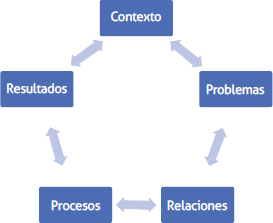
Figura 1.: Características de los conflictos intratables
Como se puede observar en la Figura 1, estos cinco aspectos representan los elementos fundamentales de un conflicto intratable y prolongado. Para Coleman “estos elementos interactúan según un principio de causalidad circular, donde cada uno influye y a su vez es influenciado por los demás” (Coleman, 2003, p. 8). A través del desglose de las cinco características, Coleman propone doce subdimensiones para determinar si un conflicto es intratable o tratable (ver Tabla 1). De acuerdo con su planteamiento, los conflictos pueden prolongarse o volverse intratables debido a diversas razones, no obstante, si han perdurado por un período significativo comparten en cierta medida algunas o todas las características.
Tabla 1.: Diferencias entre los conflictos tratables e intratables
| Características y subdimensiones | Conflicto tratable | Conflicto intratable |
|---|---|---|
|
1. Contexto 1.1. Dominio histórico e injusticia. |
Historia de igualdad relativa; episodios limitados de dominio relacional o injusticia. | Historia de opresión; dominio cultural y estructural generalizado, violencia, injusticia y victimización; élite aislada. |
| 1.2. Cambio, inestabilidad y anarquía. | Periodos de constancia y orden estable, equilibrio de poder, instituciones eficaces; situaciones fuertes. | Periodos de cambios rápidos y sustanciales; normas e instituciones comprometidas; cambios en las aspiraciones; cambios de poder y ambigüedad: anarquía. |
|
2. Problemas 2.1. Polaridades humanas y sociales. |
Problemas resolubles y finitos; potencial integrador o distributivo; acuerdos negociados. | Polos dialógicos; dilemas paradójicos; negación, desprecio, diferenciación o respuestas dialécticas. |
| 2.2. El simbolismo y la construcción de significados. | Asuntos aislados y tangibles; poco contenido latente; desconectado de otros temas y narrativas. | Interconexiones o problemas intrincados; alta centralidad; significado incrustado en supuestos básicos, creencias e ideologías. |
|
3. Relaciones 3.1. Relaciones ineludibles y destructivas. |
Estructuras inclusivas; eludibles; reparables; motivos mezclados con núcleos negociables. | Estructuras exclusivas; ineludibles; destruidas; motivos mixtos intensos con núcleos intratables. |
| 3.2. Identidades colectivas polarizadas. | No relacionadas con el conflicto; complejas, abiertas, adaptativas. | Identidades colectivas polarizadas; construidas alrededor de dimensiones arbitrarias del conflicto, monolíticas, exclusivas y frías. |
| 3.3. Dinámicas internas. | Implica necesidades y motivos conscientes: los grupos están unificados; las agendas son encubiertas y explícitas. | Implica necesidades y mecanismos de defensa inconscientes: divisiones y fracciones intragrupo, agendas ocultas. |
|
4. Procesos 4.1. Emocionalidad intensa. |
Las emociones son principalmente superficiales o periféricas; pasajeras; restricciones socialmente construidas. | Humillación, privación, perdida y rabia, la lealtad y la dignidad son centrales; volatilidad construida socialmente. |
| 4.2. Procesos sociales malignos. | Intensidad baja a moderada; violencia mínima o encuentros no violentos; ámbito moral inclusivo. | Alta intensidad; espirales escalatorias; cambios psicológicos y estructurales; exclusión moral; atrocidades violentas. |
| 4.3. Omnipresencia y complejidad. | Límites claros; complejidad baja a moderada: pocos niveles y partidos; estables. | Penetrante; alta complejidad; multinivel; multipartidario; volátiles. |
|
5. Resultados 5.1. Traumas prolongados. |
Inquietante y provocador de ansiedad, cuando es traumático se aborda de manera efectiva. | Trauma individual y comunitario; confianza fracturada; reprimido o sin abordar. |
| 5.2. Duración continúa. | Breve lapso, resoluciones sostenibles; normas constructivas; compromisos cambiantes. | Rivalidades históricas; ciclos duraderos de intensidad baja a alta y viceversa; normas destructivas; perpetuación intergeneracional; compromisos duraderos. |
Nota. Elaboración propia con base en Coleman (Coleman, 2003).
En el siglo XXI los conflictos intratables en el sistema internacional parecen ser potencialmente catastróficos. Se distinguen por su violencia, duración, intensidad, causas subyacentes y por los costos9 que cobran en las sociedades involucradas. En muchos casos las partes se enfrentan a rivales con importantes asimetrías de poder, como en el enfrentamiento entre Palestina e Israel, y, en consecuencia, son conflictos que tienden a encerrarse en un círculo vicioso de escalada y desescalada de violencia crónica (Rosler et al., 2021).
La dinámica, prolongación, intransigencia, complejidad y traumas asociados con los conflictos intratables contemporáneos presentan desafíos sustanciales para la comprensión y el análisis de la actualidad. Los conflictos intratables muestran una dificultad aparente e insuperable en su resolución; una dificultad que está justificada por diversas razones. Su estructura paradójica, la profundidad de sus significados, la carga emocional que llevan consigo, su complejidad y los efectos traumáticos que generan suelen ser abrumadores tanto para las partes involucradas como para los observadores externos. El ciclo interminable de privación, intensificación de tensiones, violencia y represión que los acompaña provoca su intratabilidad (Coleman, 2003).
No existe una única y definitiva teoría que pueda dar cuenta de la naturaleza intratable de estos fenómenos volátiles y destructivos. Cada característica mencionada aporta cierta comprensión sobre las múltiples causas, estados y procesos involucrados en su complejidad. Sin embargo, es la interacción compleja de estas características lo que conduce a la persistente obstinación de estos conflictos (Coleman, 2003). En los últimos años, el surgimiento y la prolongación de los conflictos armados internacionales confirman que su resolución es una empresa a largo plazo, pues desde el 2020 se han mantenido activos los que estaban presentes desde hace más de 30 años. Varios de ellos se remontan a la desaparición de la URSS como por ejemplo el conflicto entre Rusia y Ucrania, que escaló a su punto más alto, la guerra, en febrero de 2022.
3. Análisis y comprensión del conflicto armado entre Rusia y Ucrania: ¿conflicto armado internacional intratable?
Este apartado presenta el análisis de la guerra entre Ucrania y Rusia de 2022 mediante el estudio sistemático del perfil, las causas, los actores y la dinámica del conflicto, con el fin de identificar si están presentes las características de un conflicto armado intratable (Contreras, 2022). Para ello se emplean los modelos de mapeo y la curva de los conflictos. De esta manera se busca determinar la presencia o ausencia de las características propuestas por Coleman (Coleman, 2003) con el propósito de evaluar la transformación del conflicto y proporcionar evidencias de su tratabilidad o intratabilidad (consultar Tabla 1).
Para empezar, el perfil de la guerra entre Rusia y Ucrania refleja el contexto político, económico y sociocultural, por ejemplo: la historia reciente, su régimen político, estructura económica, posición geopolíti-ca y composición social, por mencionar algunos elementos. Asimismo, el perfil presenta los problemas políticos, económicos, ecológicos y sociales emergentes dentro los cuales encontramos los procesos de reforma, calidad de la democracia, protestas, presencia de fuerzas armadas, conflictos electorales, etc.
El perfil del conflicto también identifica las áreas específicas propensas y afectadas que pueden ubicarse dentro del contexto, como por ejemplo las áreas de influencia de actores específicos, que para el caso presente son: la OTAN, la Unión Europea (UE), Estados Unidos y China; y los focos de poblaciones socialmente marginadas o excluidas, por ejemplo la población rusa y/rusófona de las regiones de Crimea y el Dombás. A su vez, los antecedentes de conflictos son fundamentales porque reflejan los eventos críticos, esfuerzos de mediación e intervención externa.
Para comprender el contexto de la guerra entre Rusia y Ucrania es fundamental, además, identificar las causas potenciales y existentes del conflicto, así como los posibles factores que aportan a la paz. “Las causas de los conflictos pueden definirse como aquellos factores que contribuyen a los agravios de las personas” (Smith-Höhn, 2009, p. 6), y pueden ser estructurales o próximas, con diversos desencadenantes que actúan como catalizadores, bien sean eventos violentos o declaraciones provocadoras que intensifican las hostilidades. Comprender esta combinación de factores ayuda a prevenir, manejar y resolver conflictos de manera más eficaz.
Las causas estructurales, también llamadas fundamentales, son factores sistémicos generalizados de largo plazo e incorporados en las estructuras políticas, en las normas y en el tejido social que generan conflictos violentos, mientras que las causas próximas son factores que pueden acentuar las causas estructurales y contribuir a una escalada de la violencia en el conflicto, un síntoma aparente de un problema más profundo. Finalmente, los desencadenantes son actos clave únicos que tienen el potencial de intensificar un conflicto violento (Herbert, 2017; Smith-Höhn, 2009), pues aunque un conflicto armado tenga su origen en causas económicas y materiales, puede expandirse rápidamente a diferencias de identidad que se traducen en conflictos más complejos, con una variedad de cuestiones vinculadas a la disponibilidad de recursos y a la satisfacción de las necesidades humanas básicas. Así, los conflictos intratables y prolongados tienden a generar nuevas causas que dificultan su gestión y contribuyen a su estancamiento. A su vez, a medida que se identifican las principales causas y factores que contribuyen al inicio de un conflicto, se reconoce su multidimensionalidad y multicausalidad (Ho-Won, 2008).
De igual modo, la identificación de los actores es fundamental para el análisis de los conflictos. Los actores son todos aquellos involucrados o afectados por un conflicto, entre los que se incluyen las personas, los grupos y las instituciones que contribuyen al conflicto o se ven afectados por él de manera positiva o negativa, así como los que participan en el tratamiento del conflicto. “Los actores difieren en cuanto a sus objetivos, intereses, posiciones, capacidades para lograr ciertos resultados y en sus relaciones con otros actores” (Resource Pack, 2004, p. 4). Como se puede inferir, esta definición identifica a aquellos actores que ejercen un impacto directo o indirecto en el conflicto, por ejemplo, los combatientes y las víctimas (Herbert, 2017). Además, dentro de la categoría de actores se incluyen a los “principales, secundarios y externos al conflicto, quienes representan a grupos y/o individuos interesados en mantener el conflicto y/o construir la paz” (Peacebuilding Center, 2013, p. 14).
Por su parte, la dinámica de un conflicto es la interacción entre el perfil del conflicto, los actores y las causas. Entender la dinámica de los conflictos, reflejada en dos dimensiones, intensidad y tiempo, es útil para identificar las fases del conflicto, la escalda, desescalada y –en ellas– las ventanas de oportunidad, los procesos y los escenarios posibles de enfrentamientos. A su vez, la construcción de escenarios brinda una evaluación de lo que puede suceder en un contexto dado y en un marco de tiempo específico. En este orden de ideas, al analizar un conflicto internacional armado se pueden construir tres escenarios:
(a) el mejor escenario (es decir, aquel que describe el resultado óptimo del contexto actual); (b) un escenario de mantenimiento del status quo (es decir, el que describe la evolución continua de las tendencias actuales); y (c) el peor de los casos (es decir, aquel que describe el peor resultado posible). (Resource Pack, 2004, p. 5)
Perfil, causas, actores y dinámica del conflicto entre Rusia y Ucrania en el siglo XXI
El perfil del conflicto entre Rusia y Ucrania se obtiene del análisis del contexto y la dinámica de las relaciones adversas entre los distintos actores. Las acciones de las partes principales, secundarias y marginales se ubican en el contexto más amplio de las transformaciones geopolíticas y geoeconómicas en Eurasia, la expansión de la OTAN a Ucrania, y las fortalezas y debilidades económicas y militares de Rusia.
La confrontación de Rusia con Occidente por Ucrania se enmarca en la búsqueda del presidente ruso Vladímir Vladímirovich Putin de poner fin a la historia rusa de pérdidas y humillaciones causadas por la desintegración de la URSS (1922-1991), proceso que él ha considerado la mayor tragedia geopolítica del siglo XX (Sinyakov, 2005)10. Esta valoración de Putin es también la de una amplia mayoría de ciudadanos rusos: “67% lamentan la desaparición de la URSS” (VTSIOM, 2021).
Después de la desintegración de la URSS, de la cual Ucrania era miembro, el Estado ucraniano11 se encontró posicionado entre dos bloques: la UE y la Comunidad de Estados Independientes (CEI), es decir, quedó en la línea de fractura12. No obstante, Ucrania mantenía su mayor relación comercial con Rusia, aunque para reducirla los gobiernos ucranianos buscaron acuerdos con la UE que no perjudicarán las relaciones con su principal socio comercial.
Las protestas en Ucrania desde noviembre de 2004 hasta enero de 2005, en el contexto de las elecciones presidenciales en las que hubo fuertes acusaciones de fraude electoral a favor de Víktor Fiódorovich Yanukóvich, lograron anular las elecciones y repetir la jornada electoral de la que salió victorioso Víktor Yúshchenko (2005-2010), quien llegó al poder con una política pro-Unión Europea. Aún así, Ucrania siguió siendo un importante socio comercial de Rusia; de hecho, la Unión Económica Euroasiática conformada por Kazajistán, Bielorrusia y Moscú buscó mejorar los vínculos con Ucrania para evitar que se uniera a la UE. Pero en 2013, para contrarrestar la influencia euroasiática, la UE ofreció a Ucrania un acuerdo de asociación conocido como el Área de Libre Comercio Integral y Profunda (DCFTA) (Lane, 2016).
Con estos antecedentes, el perfil del conflicto en proceso entre Rusia y Ucrania (partes principales) no solo refleja el contexto geopolítico en la región euroasiática, sino también la historia reciente y el lugar de Ucrania en la línea de fractura entre Occidente y la tutela rusa, justificada en la visión geopolítica de la Nueva Rusia (Novorossiya)13. Este término hace referencia a una gran franja de territorio reconquistada por la Rusia imperial durante el siglo XVIII, perteneciente al Imperio Otomano, que cubría aproximadamente un tercio de lo que ahora es Ucrania (incluida Crimea) (O’Loughlin et al., 2017). Las declaraciones, decisiones y acciones de Vladimir Putin han revelado que el objetivo del Kremlin es, una vez más, establecer su dominio sobre las tierras que alguna vez llamaron “Novorossiya” y llevar su control mucho más allá de los límites históricos de esta región para incluir a otras provincias contiguas con grandes poblaciones de habla rusa, como la que se encuentra en la región del Dombás (Lane, 2016).
Este es el contexto en el que debe situarse la competencia geopolítica entre Occidente y ciertas economías emergentes, en particular China y Rusia, y en el que debe dirimirse la cuestión de su supuesto imperialismo. La Rusia de Putin es una nación capitalista en un sentido significativo y, como tal, el Estado ruso ha buscado soluciones a sus problemas de seguridad a través de los medios a su disposición, incluyendo su Hard Power (poder duro) (Lane, 2016).
Con base en el análisis del contexto, los problemas geopolíticos, económicos y sociales emergentes, los antecedentes del conflicto y la influencia de actores específicos, la guerra entre Rusia y Ucrania es un conflicto armado internacional que se ha prolongado debido al invo-lucramiento de actores secundarios e influyentes activamente en una dinámica de escaladas y desescaladas a lo largo de los últimos años. Un enfoque en la economía política de la región y en la volátil economía y geopolítica del imperialismo en una era de creciente multipolaridad nos permite analizar el enfrentamiento en Ucrania, entender las causas y dinámicas de la evolución del conflicto, y evaluar el potencial de su tratabilidad o intratabilidad.
Causas del conflicto entre Rusia y Ucrania
Los conflictos son fenómenos multidimensionales y multicausales. En este apartado se identifican las principales causas y factores que contribuyen al conflicto entre Rusia y Ucrania, y se establecen los vínculos y sinergias entre las causas y los resultados con el fin de identificar las características y subdimensiones de un conflicto tratable/intratable.
En la literatura y la prensa se presentan diversos análisis que reflejan diferentes interpretaciones, perspectivas, argumentos y conclusiones sobre las causas del conflicto ruso-ucraniano. Se observan posiciones tradicionales en las que las causas se identifican con las reminiscencias del imperialismo ruso; posiciones revisionistas a través de las cuales se explica el conflicto debido a la expansión de Occidente, la OTAN y la UE y posiciones post-revisionistas, que son una mezcla de ambas interpretaciones (Chotiner, 2022).
La prensa occidental sostiene que las causas subyacentes del conflicto en Ucrania se encuentran en las políticas imperialistas de Vladimir Putin, mientras que los medios rusos enfatizan el papel de los motivos nacionalistas ucranianos avivados por los intereses de Occidente. Lo anterior abre el debate sobre la desinformación de los medios, tanto occidentales como rusos, acerca de la guerra en Ucrania. Ambas posiciones y partes en disputa, no obstante, se consideran amenazas agresivas.
En otras palabras, el conflicto en Ucrania ha sido interpretado de manera divergente en los medios de distintos países, especialmente en Occidente y Rusia. Los problemas del conflicto son complejos y reflejan las agendas políticas de los actores involucrados: la visión occidental se ha enfocado en la anexión de Crimea por parte de Rusia y su respaldo a los separatistas en el este de Ucrania, atribuyéndolo a la política expan-sionista de Putin para aumentar la influencia rusa y debilitar a Ucrania en su acercamiento a Occidente; los medios rusos, por su parte, resaltan los intereses nacionalistas ucranianos y la intervención occidental, argumentando que las protestas proccidentales llevaron a la destitución de Yanukóvych y agravaron las tensiones.
Antes del Euromaidán14 –las movilizaciones que propiciaron el reemplazo de Yanukóvich (2010-2014) como presidente de Ucrania– no existían pruebas de que Rusia planeara desestabilizar el país, aun cuando durante este tiempo, como afirma Lane, “la minoría rusa sufriera discriminación lingüística por parte de las autoridades ucranianas” (Lane, 2016, p. 636). En este orden de ideas, una de las causas de la guerra civil en Ucrania15 se encuentra en Kiev y en las políticas de la dirigencia nacional (Khan y Habibullah, 2017). Es decir, las causas que subyacen a las acciones e intereses de los principales actores no son meramente disputas económicas-políticas (como se verá en el siguiente apartado), sino también militares e ideológicas entre los diversos actores involucrados.
La invasión de la Federación Rusa a Ucrania, que inició el 24 de febrero de 2022, se perfila a convertirse como el conflicto armado internacional más grande en Europa desde 1945. Uno de sus antecedentes inmediatos se encuentra a principios de 2014, después de la anexión de Crimea por parte de Rusia16. Un año antes se habían desarrollado en Kiev protestas en contra del entonces presidente ucraniano Víktor Fiódorovich Yanukóvich (2010-2014) por rechazar un acuerdo para una mayor integración económica con la UE, lo que derivó en un gran número de protestas reprimidas luego por las fuerzas de seguridad del Estado y en la huida del presidente Yanukóvych del país en febrero de 2014, su posterior destitución y la elección de Petró Oleksíyovich Poroshenko como presidente (2014-2019).
En marzo de 2014 Rusia tomó el control de Crimea con la justificación de proteger los derechos de los ciudadanos rusos y de los rusófonos en la península y el sureste de Ucrania. Posteriormente, Moscú se anexó la península después de que sus habitantes votaran en un referéndum por su independencia y manifestaran el deseo de unirse a la Federación Rusa. Este status quo intensificó las divisiones étnicas y generó que los separatistas prorrusos de las regiones de Donetsk y Lugansk, en el este de Ucrania, celebrarán un referéndum para declarar su independencia de Ucrania en 201417.
A finales de 2014 e inicios de 2015 se celebraron los acuerdos de Minsk para poner fin a la guerra en la región del Dombás en Ucrania. El primero, conocido como “Protocolo de Minsk de 2014”, fue celebrado por el Grupo de Contacto Trilateral sobre Ucrania, integrado por Ucrania, Rusia y la Organización para la Seguridad y la Cooperación en Europa (OSCE), con la mediación de Francia y Alemania. Este acuerdo, sin embargo, no fue reconocido por los entonces líderes de la autoproclamada República Popular de Donetsk (RPD) y la República Popular de Luhansk (LPR). El acuerdo, que buscaba lograr un alto al fuego, la retirada de armamento pesado y el control total del gobierno ucraniano en toda la zona del conflicto, fue infructuoso.
Como no se logró desescalar el conflicto a través del acuerdo de Minsk, Francia y Alemania presentaron un nuevo plan de paz el 7 de febrero de 2015, elaborado después de sostener conversaciones con el presidente ucraniano Petro Poroshenko y el presidente ruso Vladimir Putin. El plan se presentó en respuesta a la propuesta de Estados Unidos de enviar armamento al gobierno ucraniano. El 12 de febrero las partes enfrentadas acordaron un nuevo conjunto de medidas para establecer la paz. Estas incluían un alto incondicional al fuego, la retirada de armamento pesado del frente, la liberación de prisioneros de guerra y la reforma constitucional en Ucrania con el fin de otorgar autogobier-no a ciertas áreas del Dombás. Además, se buscaba el restablecimiento del control de la frontera estatal por parte del gobierno ucraniano. Pero si bien la lucha disminuyó luego de la firma del acuerdo, este nunca se cumplió del todo y sus disposiciones nunca se implementaron por completo (UNIAN, 2018).
En Occidente se ha condenado a Rusia por la invasión a Ucrania y por no respetar los principios del Derecho Internacional Público. Se argumenta que una de las causas del conflicto reside en las ambiciones imperiales rusas, es decir, en la intención de conquistar Ucrania con el propósito de recrear una Rusia más grande que recuerde a la antigua URSS por lo tanto, Occidente considera que tiene la responsabilidad de contenerla. Sin embargo, no existen pruebas que respalden la narrativa sobre los objetivos geopolíticos de Rusia, a pesar de las declaraciones de Putin en las que afirma que Ucrania es un estado artificial, que los rusos y ucranianos son un mismo pueblo con una historia común, y que el colapso de la URSS fue “la mayor catástrofe geopolítica del siglo XX”, a lo que ha añadido, “quien no extraña a la Unión Soviética no tiene corazón y quien la quisiera de vuelta no tiene cerebro” (Mearsheimer, 2022).
En 2021 Putin enfatizó que Rusia aceptaba “la nueva realidad geopolí-tica que tomó forma después de la disolución de la URSS” (Putin, 2021) y reiteró su argumento el día en que anunció que Rusia invadiría Ucrania. Asimismo, declaró que Rusia ha
estado tratando a todos los nuevos Estados postsoviéticos con respeto y continuará actuando de esta manera. Respeta y respetará su soberanía, como lo demuestra la asistencia que brindó a Kazajistán cuando enfrentó eventos trágicos y un desafío en términos de su condición de Estado e integridad. Sin embargo, Rusia no puede sentirse segura, desarrollarse y existir mientras enfrenta una amenaza permanente del territorio de la actual Ucrania. (Putin, 2022).
Como se pude ver, Putin no estaba interesado en convertir a Ucrania en parte de la nueva Rusia; estaba interesado en asegurarse de que no se convirtiera en un “trampolín” para la agresión Occidental contra Rusia y evitar que la ampliación de la OTAN extendiera el orden internacional liberal en Europa del Este e hiciera que todo el continente se pareciera a Europa Occidental. Con base en estas consideraciones, una de las causas subyacentes del conflicto armado entre Rusia y Ucrania radica en la prevención de la transformación de Ucrania en un bastión occidental en las fronteras de Rusia; prevención que se lleva a cabo a través de tres estrategias principales para evitar:
La integración de Ucrania en la UE.
La promoción de Ucrania como una democracia liberal de orientación occidental.
La inclusión de Ucrania en la OTAN (Mearsheimer, 2022).
Las estrategias mencionadas anteriormente se identifican en los esfuerzos continuos de la OTAN por fortalecer las capacidades militares de Ucrania. Además, se observa un renovado entusiasmo por lograr estos objetivos, tanto en Kiev como en Washington, con la llegada de Joseph Robinette Biden Jr. (2021-2025) a la presidencia de los Estados Unidos y de Volodímir Oleksándrovich Zelenskyy (2019-2024) a la presidencia de Ucrania. Zelenskyy, quien nunca había mostrado intenciones de adherir Ucrania a la OTAN y que pedía trabajar con Rusia para resolver la crisis iniciada en 2014, cambió de rumbo a principios de 2021. No solo abrazó la expansión de la OTAN, sino que también adoptó un enfoque de línea dura hacia Moscú (Mearsheimer, 2022).
A su vez, otra de las principales causas del conflicto en curso en Ucrania se encuentra en el hecho de que Estados Unidos, durante la presidencia de George W. Bush (2001-2009) y sus aliados de la OTAN, tomaron la decisión en 2008 de incluir a Ucrania y Georgia en dicha alianza. Es importante mencionar que la estrategia de la alianza noratlántica de incorporar a Georgia en la OTAN desencadenó una guerra entre Georgia y Rusia en agosto de 200818 y que esta estrategia respecto a Ucrania fue mantenida en las posteriores administraciones estadounidenses. La relación entre la expansión de la OTAN y el conflicto en Ucrania es, por tanto, compleja. Aunque la expansión hacia Europa del Este, incluyendo a Ucrania y Georgia, buscaba estabilidad y apoyo para países alineados con la OTAN, generó preocupaciones en Rusia. Aun así, el conflicto ucraniano no se originó sino hasta la Revolución Ucraniana de 2014, lo que llevó a la anexión de Crimea y a los conflictos en Donetsk y Lugansk.
Mapeo del conflicto: actores principales
La elaboración del mapeo de un conflicto posibilita la identificación y evaluación de los actores clave involucrados y proporciona una representación gráfica de:
Las partes en conflicto y su grado de “poder” o influencia en el mismo.
Sus interacciones mutuas y relaciones recíprocas.
Los temas o asuntos centrales que constituyen el conflicto (ver Figura 2) (Ho-Won, 2008).
Este enfoque actúa como una herramienta analítica que ofrece una representación visual de los elementos fundamentales de un conflicto. Como se puede observar en la Figura 2, la disputas entre las fuerzas del gobierno ucraniano y los separatistas prorrusos por el control de gran parte de las dos provincias altamente industrializadas de Donetsk y Lugansk en 2014, iniciadas después del movimiento de protesta del Euromaidán y la posterior Revolución de la Dignidad, es el antecedente del conflicto entre Rusia y Ucrania, un conflicto que se internacionalizó y que se ha prolongado a través de la escalada de la violencia19.
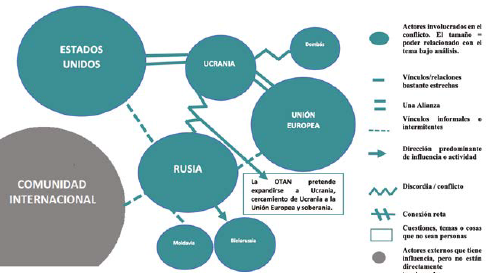
Figura 2.: Mapeo del conflicto entre Rusia y Ucrania (2022)
La llamada guerra del Dombás se internacionalizó con la anexión de Crimea por parte de Rusia (2014). Ucrania y muchos otros países de la comunidad internacional como Estados Unidos y países miembros de la UE condenaron la anexión por considerarla una violación del derecho internacional y de los acuerdos rusos que salvaguardan la integridad territorial de Ucrania. Rusia fue suspendida del entonces G8 e iniciaron las sanciones económicas contra Moscú; la Asamblea General de las Naciones Unidas (ONU) también rechazó el referéndum y la anexión y adoptó una resolución que afirma la integridad territorial de Ucrania. Si bien Rusia, Ucrania, Francia y Alemania firmaron los acuerdos de Minsk (2014 y 2015) que finalmente detuvieron el avance de las tropas y redujeron significativamente los combates, los acuerdos fracasaron y la lucha se transformó en una guerra de trincheras.
Después de la anexión de Crimea por parte de Rusia, Estados Unidos argumentó que las tropas rusas concentradas en la frontera oriental de Ucrania podrían estar preparándose para ingresar a las regiones orientales del país, y la OTAN advirtió que las mismas tropas estaban en condiciones de apoderarse de la provincia separatista moldava de habla rusa de Transnistria. Así, se observan actores con diversas relaciones determinadas por sus capacidades de poder duro y suave para influir en la dinámica del conflicto; los actores principales serían: Ucrania, las autodenominadas repúblicas independientes del Dombás y Rusia, y los actores secundarios: Estados Unidos, la UE, la Asamblea y el Consejo de Seguridad de la ONU y la OTAN. Estos actores, no cabe duda, han contribuido a la escalada del conflicto. La comunidad internacional también ha condenado la invasión de Rusia en Ucrania, pero algunos países como Bielorrusia, China y otros de América Latina han mantenido posiciones neutrales al no imponer sanciones a Rusia, incluso después de que el conflicto alcanzara su punto máximo el 24 de febrero de 2022.
En este escenario de la invasión de Ucrania por parte de Rusia, las relaciones entre los actores secundarios se caracterizan por complejas dinámicas geopolíticas y alianzas estratégicas. Estados Unidos como potencia global ha condenado la invasión y ha aplicado sanciones a Rusia, además de liderar la movilización internacional en contra de esta acción. La UE también ha condenado la invasión y ha impuesto sanciones, aunque la unidad varía entre sus miembros debido a los distintos intereses económicos y relaciones con Rusia, especialmente en temas energéticos. En el Consejo de Seguridad de la ONU se han observado divisiones, ya que algunos países como China y Rusia han vetado medidas más enérgicas. La OTAN ha reforzado su apoyo a Ucrania, ha aumentado su disuasión en Europa del Este y ha intensificado la tensión con Rusia. Y en relación con los países neutrales, Bielorrusia mantiene su neutralidad debido a su cercanía con Rusia, China busca una solución pacífica y evita posiciones firmes, y los países de América Latina pueden optar por mantenerse neutrales, según sus propios intereses y relaciones bilaterales.
Dinámica del conflicto entre Rusia y Ucrania: hacia la intratabilidad
La dinámica del conflicto entre Rusia y Ucrania es la interacción entre el perfil del conflicto, los actores y las causas. Los principales acontecimientos del conflicto reflejan la intensidad para identificar las escaladas, desescaladas, prolongación, contracción o estancamiento del conflicto. La dinámica del conflicto ruso-ucraniano tiene sus antecedentes en la guerra civil en Ucrania y la escalada de tensiones, crisis y guerra en la anexión de Crimea por parte de Rusia en 2014 (ver Gráfica 1), pues la crisis intensificó las divisiones étnicas que generaron los movimientos separatistas prorru-sos de las regiones de Donetsk y Lugansk en el Este de Ucrania.
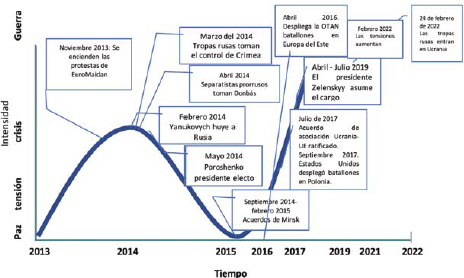
Gráfica 1.: La curva del conflicto entre Rusia y Ucrania (2013-2022)
El conflicto armado en la región estalló rápidamente entre las fuerzas respaldadas por Rusia y el ejército ucraniano en 2014, y luego pasó a un punto muerto activo con bombardeos a lo largo de la línea de frente que separaba las regiones fronterizas controladas por Rusia y Ucrania. A partir de febrero de 2015 Francia, Alemania, Rusia y Ucrania intentaron iniciar negociaciones y mediar en el cese de la violencia a través de los Acuerdos de Minsk. En abril de 2016 la OTAN anunció que la alianza desplegaría cuatro batallones en Europa del Este para disuadir una posible futura agresión rusa en otras partes de Europa, especialmente en la región del Báltico. En septiembre de 2017 Estados Unidos también desplegó dos brigadas de tanques del ejército estadounidense en Polonia para reforzar aún más la presencia de la OTAN en la región (Center for Preventive Action, 2023).
Con el aumento de las sanciones por parte de Estados Unidos en 2018 y la venta de armas antitanque a Ucrania y sus ejercicios militares aéreos conjuntos con Estados Unidos y otros países de la OTAN –en respuesta a los ejercicios militares anuales de Rusia en el mismo año–, la crisis al interior de Ucrania escaló. En 2019 el excomediante Volodymyr Zelenskyy fue elegido presidente de Ucrania y su partido ganó la mayoría de los escaños en el Parlamento con promesas de poner fin a la guerra con Rusia y erradicar la corrupción del gobierno ucraniano. En 2021, después de que Zelenskyy tomó medidas enérgicas contra los oligarcas ucranianos prorrusos, Vladimir Putin desplegó un número cada vez mayor de tropas cerca de la frontera con Ucrania y publicó un artículo en el que afirmó que los rusos y los ucranianos son “un solo pueblo” (Putin, 2021). Adicionalmente, Putin demandó de la OTAN y de Estados Unidos que Ucrania nunca fuese admitida en la organización de defensa y seguridad colectiva, una solicitud rechazada por la administración Biden (2021-2025). El 21 de febrero de 2022 Rusia reconoció la soberanía de las regiones separatistas de Ucrania y el 24 de febrero, tres días después, Moscú lanzó una operación militar en Ucrania, alegando que tenía la intención de proteger a los civiles y argumentando que los rebeldes en el este de Ucrania solicitaron asistencia militar a Rusia para defenderse de la agresión de Ucrania.
Por todo lo anterior, el conflicto entre Rusia y Ucrania es un ejemplo complejo de rivalidad que abarca diversas dimensiones:
Enraizado en elementos históricos, culturales y geopolíticos, como la anexión de Crimea y el conflicto en el este de Ucrania, el enfrentamiento está marcado por la diversidad étnica y la orientación política de Ucrania, ya sea proeuropea o prorusa.
Las consecuencias incluyen la pérdida de vidas, los desplazamientos y los daños a la infraestructura, mientras que la anexión de Cri-mea ha llevado a sanciones.
El proceso ha oscilado entre la escalada y la reducción de la violencia, con acuerdos de cese al fuego que luchan por perdurar debido a la desconfianza y las violaciones.
Los temas centrales van desde la integridad territorial de Ucrania hasta la influencia rusa y las cuestiones étnicas.
Actores internos y externos influyen en el perfil del conflicto, desde gobiernos hasta grupos separatistas, la UE, Estados Unidos y la OTAN.
Motivado por rivalidades históricas y divergencias políticas, el conflicto se ha prolongado y tiene el potencial de volverse intratable; incluso existe el riesgo de una guerra nuclear debido a la complejidad, la falta de comunicación y las ramificaciones geopolíticas.
Así, con base en el análisis del contexto, los actores, las relaciones, los problemas, los procesos, la dinámica y los resultados (en curso) se considera que el conflicto ruso-ucraniano no es imposible de resolver; sin embargo, es fundamental que se gestione y maneje a través de enfoques diferentes y multifacéticos.
En este marco, y con base en las diferencias entre los conflictos tratables e intratables (ver Tabla 1), se pueden identificar ahora algunas características y subdimensiones en el conflicto entre Rusia y Ucrania. En lo que respecta al contexto, en la subdimensión histórica, los actores principales tienen una historia de relativa igualdad como parte de la URSS y han experimentado episodios limitados de dominio relacional e injusticia como resultado de la renuncia de Ucrania a las armas nucleares en el memorándum de Budapest (1994) con Rusia, Estados Unidos y el Reino Unido, a cambio de seguridad e independencia.
Cabe recordar que después de la independencia de Ucrania en 1991 se experimentó un período relativamente estable. Pero los problemas políticos, ideológicos, étnicos y lingüísticos originados en la historia compartida, la rusificación forzosa llevada a cabo por Joseph Stalin y el surgimiento del nacionalismo ucraniano aumentaron el potencial de un conflicto internacional armado intratable. Luego de la desintegración de la URSS, Rusia intentó ejercer influencia en la política interna de Ucrania y controlar su política exterior, lo que se reflejó en su intento de evitar que Ucrania se uniera a la OTAN o se aproximara a la UE y a Occidente en general. Estas acciones tuvieron lugar en un contexto de renovada rivalidad geopolítica entre las principales potencias.
Lo anterior evidencia que las relaciones entre las antiguas repúblicas soviéticas de Ucrania y Rusia han sido ineludibles debido a sus profundos lazos culturales, económicos y políticos. Y, en las últimas décadas el potencial del conflicto ha ido aumentando debido a la polarización de las identidades colectivas: los prorrusos, por un lado, y los proeuropeos, por el otro. Antes de la escalada del conflicto en febrero de 2022, más de la mitad de los ucranianos, sin incluir las regiones en disputa, apoyaban el ingreso de Ucrania a la UE, mientras que “entre el 40 y el 50 por ciento estaban a favor de unirse a la OTAN” (Masters, 2023).
En consecuencia, los procesos sociales durante el conflicto se han traducido en una escalada de violencia entre el gobierno central y las regiones separatistas, primero Crimea y luego las repúblicas de Donetsk y Luhansk. Además, la intensidad de violencia que genera cambios psicológicos (rabia, humillación y volatilidad) entre las partes ha impactado en la opinión pública, pues después del inicio de la invasión rusa en febrero de 2022 la gran mayoría de los ucranianos
apoyaban la resistencia armada contra Rusia y rechazaban las reivindicaciones de Rusia sobre Crimea y su respaldo a las repúblicas separatistas del Dombás. Asimismo, un poco más de la mitad de los encuestados dijo que Ucrania no debería buscar una futura membresía en la OTAN para poner fin a la guerra. (Masters, 2023)
El acercamiento de Ucrania a Occidente es visto, en general como una decisión de un Estado soberano; no obstante, es interpretado como una amenaza a la seguridad nacional rusa. En un contexto geopolítico de rivalidad entre las grandes potencias, Ucrania se encuentra en la línea de fractura, sin un plan de respaldo más que depender de la asistencia de la alianza Noratlántica. Las demandas de Rusia a Estados Unidos y sus aliados europeos sigue centrándose en impedir la expansión de la OTAN y de la UE hacia el este, aunque estas demandas no han sido escuchadas. Lo anterior ha conducido a la invasión rusa de Ucrania en 2022, el punto más alto de un conflicto de ocho años que ha generado inestabilidad regional y un cambio en el entorno de la seguridad internacional.
El gobierno de Volodymyr Zelenskyy ha logrado la asistencia militar y económica de Occidente para hacer frente a los ataques de Rusia, pero ha sufrido la destrucción de sus ciudades, grandes pérdidas materiales y humanas, así como un aumento de refugiados y desplazados. Rusia también ha sufrido importantes bajas militares: se estima que el conflicto ha dejado “alrededor de 9.000 ucranianos muertos y hasta 25.000 rusos” (Yuhas, 2022). No obstante, la dificultad para calcular el número de muertes exactas obedece a una estrategia enfocada en mantener alta la moral de las fuerzas armadas de ambos bandos. Finalmente, sin resoluciones sostenibles, normas constructivas y compromisos duraderos no está claro si y cómo podría surgir una resolución diplomática.
4. Conclusiones y escenarios
El conflicto entre Rusia y Ucrania tiene diferentes dimensiones y causas que incluyen aspectos sociolingüísticos, económicos, culturales, políticos, geoestratégicos y de seguridad que se remontan al siglo XX. La importancia geopolítica de Ucrania ha tensado las relaciones entre Estados Unidos, los países miembros vecinos de la OTAN y Rusia. Además, el conflicto tiene implicaciones para la seguridad europea y la cooperación en temas críticos como el control de armas nucleares, la ciberseguridad, la seguridad alimentaria y energética, y la lucha contra el terrorismo, entre otras amenazas y riesgos (Salmón y Rosales, 2014).
El conflicto se ha transformado en los últimos años y se perfila como uno de carácter prolongado y difícil de resolver por sus dimensiones internacionales. Con todo, a través del análisis de su perfil, causas, actores y dinámica se identifican tres escenarios: i) el mejor escenario, aquel que describe el resultado óptimo del contexto actual: la victoria de una de las partes; ii) el peor escenario, aquel que describe el peor resultado: la derrota de una de las partes; y iii) un escenario intermedio: el mantenimiento del status quo o un empate entre las partes del conflicto. Al final, estos escenarios dependerán de las estrategias y estilos que adopten las partes en disputa, como por ejemplo el uso limitado de armamento nuclear, la intervención directa, el derrocamiento de los líderes o una salida diplomática.
Para Moscú, el mejor escenario significaría la destrucción de las fuerzas armadas ucranianas, la anexión de los territorios de la región del Dombás, el derrocamiento de Volodymyr Zelenskyy y la subordinación política del país a Rusia. En un escenario intermedio, Rusia posiblemente lograría una victoria limitada al mantener los territorios anexados de Crimea y el Dombás. Por su parte, el mejor escenario para Ucrania sería hacer retroceder a las fuerzas armadas rusas a donde estaban antes de la escalada del conflicto, el cese de las hostilidades y algunos ajustes territoriales (Koziej, 2022).
El conflicto entre Rusia y Ucrania se ha prolongado y convertido en una guerra de desgaste. Rusia continua con su objetivo de dominar a Ucrania, pero dicho escenario pondría a la seguridad euroatlántica en riesgo, lo cual obliga a Occidente, liderado por Estados Unidos en alianza con la OTAN, a ayudar a Ucrania para evitarlo, incluso a través de la escalada del conflicto y la renuncia a encontrar una solución diplomática. La victoria de Ucrania aseguraría su futuro político y reflejaría el debilitamiento de las fuerzas armadas convencionales de Rusia y la preeminencia de las armas nucleares frente a Occidente.
Por último, el desarrollo de la guerra en la región del Dombás es un factor fundamental que determinará el resultado del conflicto. Aun así, la victoria de un bando u otro en la región no significará necesariamente su éxito en todo el conflicto (Koziej, 2022). La dinámica de la guerra dependerá de la efectividad de las estrategias de disuasión nuclear y de las medidas activas de reducción de la escalada por todas las partes involucradas, en las que se incluyen la disminución de las sanciones económicas y de los bloqueos de los commodites.
Con independencia de los posibles escenarios futuros, es indudable que la guerra entre Rusia y Ucrania ha cambiado el entorno de seguridad estratégica global, por eso el análisis y comprensión del conflicto es fundamental para encontrar mecanismos para su gestión, manejo y resolución. En este sentido, la guerra en Ucrania debe terminar con un acuerdo diplomático que satisfaga las posiciones de las partes principales y así evitar que el conflicto se vuelva intratable.
Reconocimientos
Al Sistema Nacional de Investigadores del Consejo Nacional de Humanidades, Ciencias y Tecnologías, México, del que el autor es miembro.
Jorge Contreras Peralta
Profesor-investigador de la Maestría en Ciencias Políticas y de la Licenciatura en Relaciones Internacionales de la Facultad de Ciencias Políticas y Sociales de la Benemérita Universidad Autónoma de Puebla, México. Doctor en Ciencias Políticas y Sociales por la Universidad Nacional Autónoma de México.
Referencias
Referencias
Akande, D. (2012). Classification of Armed Conflicts: Relevant Legal Concepts. In E. Wilmshurst (Ed), International Law and the Classification of Conflicts (OUP 2012), 1-67. http://dx.doi.org/10.2139/ssrn.2132573
Angstrom, J. (2001). Towards a Typology of Internal Armed Conflict: Synthesising a Decade of Conceptual Turmoil. Civil Wars, 4(3), 93-116. https://doi.org/10.1080/13698240108402480
Boulding, K. E. (1962). Conflict and Defense: A General Theory. Harper and Row. Center for Preventive Action. (17 de octubre de 2023). War in Ukraine. https://www.cfr.org/global-conflict-tracker/conflict/conflict-ukraine
Chotiner, I. (01 de marzo de 2022). Why John Mearsheimer Blames the US for the Crisis in Ukraine. The New Yorker. https://www.newyorker.com/news/q-and-a/why-john-mearsheimer-blames-the-us-for-the-crisis-in-ukraine
Coleman, P. (2000). Intractable Conflict. In M. Deutsch, P. Coleman and E. Marcus (Eds.), Handbook of Conflict Resolution: Theory and Practice (pp. 522-559). Jossey-Bass.
Coleman, P. T. (2003). Characteristics of Protracted, Intractable Conflict: Toward the Development of a Metaframework-I. Peace and Conflict: Journal of Peace Psychology, 9(1), 1-37. https://doi.org/10.1207/S15327949PAC0901_01
Contreras Peralta, J. (15 de marzo de 2022). Marco de análisis y comprensión de los conflictos internacionales en el siglo XXI. Contexto UDLAP. https://contexto.udlap.mx/marco-de-analisis-ycomprension-de-los-conflictos-internacionales-en-el-siglo-xxi/
Convenio de Ginebra relativo a la protección debida a las personas civiles en tiempo de guerra (Cuarto Convenio de Ginebra). Artículo 2. 12 de agosto de 1949. https://www.refworld.org.es/docid/58d56cd03a7.html
Deja, R. (2002). Conflict Analysis. International Journal of Intelligent Systems, 17(2), 235- 253. https://doi.org/10.1002/int.10019
Ferraro, T. and Cameron, L. (2015). The Updated Commentary on the First Geneva Convention – a New Tool for Generating Respect for International Humanitarian Law. International Review of the Red Cross, 97(900), 1209-1226. https://doi.org/10.1017/S181638311600045X
Geneva Academy of International Humanitarian Law and Human Rights. (2007). Rule of Law in Armed Conflicts [RULAC]. https://www.rulac.org/.
Glasl, F. (1982). The Process of Conflict Escalation and Roles of Third Parties. In: G. B. J. Bomers and R. B. Peterson (Eds.), Conflict Management and Industrial Relations (pp. 119-140). Springer. https://doi.org/10.1007/978-94-017-1132-6_6
Herbert, S. (2017). Conflict Analysis: Top Guide. GSDRC, University of Birmingham. https://gsdrc.org/wpcontent/uploads/2017/05/ConflictAnalysis.pdf
Ho-Won, J. (2008). Understanding Conflict and Conflict Analysis. SAGE.
Huntington, S. P. (1993). The Clash of Civilizations. Foreign Affairs, 72(3), 22-49. https://doi.org/10.2307/20045621
Khan, Z. and Habibullah, I. (2017). The Ukrainian Conflict and Options for Conflict Resolution. Journal of European Studies, 33(1), 16-32.
Koziej, S. (22 de julio de 2022). The Russia-Ukraine War: Scenarios for Euroatlantic Security. Geopolitical Intelligence Services AG. https://www.gisreportsonline.com/r/euroatlantic-security/
Lane, D. (2016). The International Context: Russia, Ukraine, and the Drift to East-West Confrontation. International Critical Thought, 6(4), 623-644. https://doi.org/10.1080/21598282.2016.1242084
Lund, M. (1996). Preventing Violent Conflicts: A Strategy for Preventive Diplomacy. United States Institute of Peace Press.
Masters, J. (14 de febrero de 2023). Ukraine: Conflict at the Crossroads of Europe and Russia. Council on Foreign Relations. https://www.cfr.org/backgrounder/ukraine-conflict-crossroads-europe-and-russia
Coleman, P. T. (2003). Characteristics of Protracted, Intractable Conflict: Toward the Development of a Metaframework-I. Peace and Conflict: Journal of Peace Psychology, 9(1), 1-37. https://doi.org/10.1207/S15327949PAC0901_01
Contreras Peralta, J. (15 de marzo de 2022). Marco de análisis y comprensión de los conflictos internacionales en el siglo XXI. Contexto UDLAP. https://contexto.udlap.mx/ marco-de-analisis-y-comprension-de-los-conflictos-internacionales-en-el-siglo-xxi/
Convenio de Ginebra relativo a la protección debida a las personas civiles en tiempo de guerra (Cuarto Convenio de Ginebra). Artículo 2. 12 de agosto de 1949. https://www.refworld.org.es/docid/58d56cd03a7.html
Deja, R. (2002). Conflict Analysis. International Journal of Intelligent Systems, 17(2), 235- 253. https://doi.org/10.1002/int.10019
Ferraro, T. and Cameron, L. (2015). The Updated Commentary on the First Geneva Convention – a New Tool for Generating Respect for International Humanitarian Law. International Review of the Red Cross, 97(900), 1209-1226. https://doi.org/10.1017/S181638311600045X
Geneva Academy of International Humanitarian Law and Human Rights. (2007). Rule of Law in Armed Conflicts [RULAC]. https://www.rulac.org/.
Glasl, F. (1982). The Process of Conflict Escalation and Roles of Third Parties. In: G. B. J. Bomers and R. B. Peterson (Eds.), Conflict Management and Industrial Relations (pp. 119-140). Springer. https://doi.org/10.1007/978-94-017-1132-6_6
Herbert, S. (2017). Conflict Analysis: Top Guide. GSDRC, University of Birmingham. https:// gsdrc.org/wpcontent/uploads/2017/05/ConflictAnalysis.pdf
Ho-Won, J. (2008). Understanding Conflict and Conflict Analysis. SAGE.
Huntington, S. P. (1993). The Clash of Civilizations. Foreign Affairs, 72(3), 22-49. https://doi.org/10.2307/20045621
Khan, Z. and Habibullah, I. (2017). The Ukrainian Conflict and Options for Conflict Resolution. Journal of European Studies, 33(1), 16-32.
Koziej, S. (22 de julio de 2022). The Russia-Ukraine War: Scenarios for Euroatlantic Security. Geopolitical Intelligence Services AG. https://www.gisreportsonline.com/r/euroatlantic-security/
Lane, D. (2016). The International Context: Russia, Ukraine, and the Drift to East-West Confrontation. International Critical Thought, 6(4), 623-644. https://doi.org/10.1080/21598282.2016.1242084
Lund, M. (1996). Preventing Violent Conflicts: A Strategy for Preventive Diplomacy. United States Institute of Peace Press.
Masters, J. (14 de febrero de 2023). Ukraine: Conflict at the Crossroads of Europe and Russia. Council on Foreign Relations. https://www.cfr.org/backgrounder/ ukraine-conflict-crossroads-europe-and-russia
Mearsheimer, J. (23 de junio de 2022). The Causes and Consequences of Ukraine Crisis. The National Interest. https://nationalinterest.org/feature/ causes-and-consequences-ukraine-crisis-203182
Mitchell, C. R. (1997). Intractable Conflicts: Keys to Treatment (Work Paper No. 10). Gernika Gogoratuz. https://www.gernikagogoratuz.org/wp-content/uploads/2019/03/doc-10-intractable-conflicts-key-to-treatment.pdf
O’Loughlin, J., Toal, G. and Kolosov, V. (2017). The Rise and Fall of “Novorossiya”: Examining Support for a Separatist Geopolitical Imaginary in Southeast Ukraine. Post-Soviet Affairs, 33(2), 124-144. https://doi.org/10.1080/1060586X.2016.1146452
Peacebuilding Center. (2013). Peace and Conflict Impact Assessment (PCIA) Handbook. https://reliefweb.int/report/world/ peace-and-conflict-impact-assessment-pcia-handbook-version-4-2013
Putin, V. (2021). On the Historical Unity of Russians and Ukrainians. President of Russia. http://en.kremlin.ru/events/president/news/66181
Putin, V. (24 de febrero de 2022). Address by the President of the Russian Federation. President of Russia. http://en.kremlin.ru/events/president/news/67843
Resource Pack. (2004). Conflict Sensitive Approaches to Development, Humanitarian Assistance and Peacebuilding: A Resource Pack. International Alert, Saferworld and FEWER.
Rosler, N., Hameiri, B., Bar-Tal, D., Christophe, D. and Azaria-Tamir, S. (2021). Current and Future Costs of Intractable Conflicts - Can They Create Attitude Change?. Frontiers in Psychology, 12, 1-11. https://doi.org/10.3389/fpsyg.2021.681883
Salmón, E. y Rosales, P. (2014). Rusia y la anexión de Crimea o la crisis de la post Guerra Fría. Derecho PUCP, 73, 185-204. https://doi.org/10.18800/derechopucp.201402.007
Sinyakov, D. (25 de abril de 2005). Putin: Soviet Collapse a 'Genuine Tragedy'. NBC News. https://www.nbcnews.com/id/wbna7632057
Smith-Höhn, J. (2009). A Strategic Conflict Assessment of Zambia (Monograph No. 158).
Institute for Security Studies Monographs. https://www.files.ethz.ch/isn/104311/M158FULL.pdf
Stepanova, E. (2020). Armed Conflicts in the Early 21st Century: Typology and Directions of Transformation. Mirovaia ekonomika i mezhdunarodnye otnosheniia, 64(6), 24-39. https://doi.org/10.20542/0131-2227-2020-64-6-24-39
Strand, H. and Hegre, H. (2021). Trends in Armed Conflict, 1946-2020 (Conflict Trends No. 03). Peace Research Institute Oslo (PRIO). https://reliefweb.int/report/world/trends-armed-conflict-1946-2020
Uppsala University. (2022). Uppsala Conflict Data Program [UCDP]. https://www.pcr.uu.se/research/ucdp/
UNIAN. (27 de diciembre de 2018). Almost Entire Gray Zone in Donbas Liberated by Ukraine Without Minsk Deal Breach – Adviser. https://www.unian.info/war/10391709-almost-entire-grey-zone-in-donbas-liberated-by-ukraine-without-minsk-deal-breach-adviser.html
United State Institute for Peace [USIP]. (2003). Conflict-sensitive Approaches to Development, Humanitarian Assistance and Peace Building: Tools for Peace and Conflict Impact Assessment. https://www.international-alert.org/wp-content/uploads/2021/09/Training-Development-Humanitarian-Assistance-Peacebuilding-EN-2004.pdf
Vité, S. (2009). Typology of Armed Conflicts in International Humanitarian Law: Legal Concepts and Actual Situations. International Review of the Red Cross, 91(873), 69-94. https://doi.org/10.1017/S181638310999021X
VTSIOM. (18 de marzo de 2021). о восприятии россиянами событий 1991 года [La encuesta mostró el arrepentimiento de la mayoría de los rusos por el colapso de la URSS]. https://iz.ru/1139184/2021-03-18/opros-pokazal-sozhalenie-bolshinstva-rossiian-o-raspade-sssr
Yuhas, A. (26 de agosto de 2022). Miles de muertos y millones de refugiados: las cifras de la guerra en Ucrania. The New York Times (versión español). https://www.nytimes.com/es/2022/08/26/espanol/guerra-rusia-ucrania-costo-victimas.html
Cómo citar
APA
ACM
ACS
ABNT
Chicago
Harvard
IEEE
MLA
Turabian
Vancouver
Descargar cita
Licencia
Derechos de autor 2023 Ciencia PolíticaTodos los documentos alojados en esta web están protegidos por la licencia CC Atribución-NoComercial-SinDerivadas 2.5 Colombia
ISSN En línea: 2389-7481
ISSN Impreso: 1909-230X
DOI: https://doi.org/10.15446/cp
Universidad Nacional de Colombia - Sede Bogotá - Facultad de Derecho y Ciencias Políticas y Sociales - Departamento de Ciencias Políticas