Correo Electrónico
 DNINFOA - SIA
 Bibliotecas
 Convocatorias
 Identidad U.N.


Publicado
Sobre el cambio organizacional. Una revisión bibliográfica
On organizational change. A Literature Review
Sobre a mudança organizacional. Uma revisão bibliográfica
Palabras clave:
cambio organizacional, institucionalismo, cambio evolucionario, cambio revolucionario, cambio planeado, aprendizaje, liderazgo (es)organizational Change, institutionalism, evolutionary change, revolutionary change, planned change, learning, leadership (en)
mudança organizacional, institucionalismo, mudança evolucionária, mudança revolucionária, mudança planejada, aprendizagem, liderança (pt)
Sobre el cambio organizacional. Una revisión bibliográfica
On organizational change. A Literature Review
Sur le changement organisationnel. Un examen bibliographique.
Sobre a mudança organizacional. Uma revisão bibliográfica
Joaquín RomeroI, Santiago MatamorosII, Carlos Andrés CampoIII
I Doctor en Ingeniería, Universidad de los Andes Correo electrónico: joa-rome@uniandes.edu.co
II Maestría en Economía, Universidad de los Andes Correo electrónico: s.matamoros41@uniandes.edu.co
III Magna Cum Laude en Administración, Universidad de los Andes Correo electrónico: ca.campo2603@uniandes.edu.co
RECIBIDO: julio de 2012 APROBADO: abril de 2013
Resumen:
Con base en la revisión bibliográfica de las revistas de más alto impacto en la disciplina de la administración, se muestran los diferentes énfasis y tendencias teóricas de la discusión sobre cambio organizacional de los últimos veinte años. Los aportes de los autores muestran la evolución del concepto de cambio en su conjunto, considerando a la organización como un todo y las personas que la constituyen. El contenido y estructura del trabajo es resultado de la dinámica encontrada en torno a seis diferentes propuestas teóricas: cambio e institucionalismo, cambio evolucionario y revolucionario, cambio planeado, cambio y aprendizaje, cambio y liderazgo, y cambio y comunicaciones. La utilidad de este artículo es diversa. En primer lugar, las corrientes teóricas mostradas exponen una caja de herramientas útil para los practicantes para gestionar distintos procesos efectivos de cambio. En segundo lugar, sirve como herramienta hermenéutica para comprender y ordenar los fenómenos organizacionales para avanzar en su comprensión.
Palabras clave: Cambio organizacional, institucionalismo, cambio evolucionario, cambio revolucionario, cambio planeado, aprendizaje, liderazgo.
Abstract:
Based on the literature review of the highest impact journals in the discipline of administration, this paper shows the different emphasis and theoretical trends of the discussion on organizational change in the last twenty years. The contributions of the authors show the evolution of the concept of change, considering an organization as a whole, as well as those who make part of it. The content and structure of this paper is the result of the dynamics found around six different theoretical proposals: change and institutionalism, evolutionary and revolutionary change, planned change, change and learning, leadership and change, and change and communications. The usefulness of this article is diverse. First, the theoretical currents shown expose a useful toolkit for practitioners in order to manage various effective processes of change. Second, it serves as a hermeneutic tool to understand and sort organizational phenomena and thus advance along their understanding.
Keywords: organizational Change, institutionalism, evolutionary change, revolutionary change, planned change, learning, leadership.
Résumé:
Sur la base d'un examen bibliographique des revues les plus fameuses dans le domaine de l'administration, nous montrons les di-verses approches et tendances théoriques de la discussion sur le changement organisationnel des vingt dernières années. Les apports des auteurs montrent l'évolution du changement dans son ensemble, considérant l'organisation et les personnes qui la constituent comme un tout. Le contenu et la structure du travail sont le résultat de la dynamique rencontrée relative à six propositions théoriques différentes: changement et institutionnalisme, changement évolutionnaire et révolutionnaire, changement planifié, changement et apprentissage, changement et leadership, et changement et communications. L'utilité de cet article est diverse. En premier lieu, les courants théoriques présentés proposent une caisse à outils utile pour ceux qui doivent gérer divers processus effectifs de changement. En second lieu, il sert d'outil herméneutique pour comprendre et ordonner les phénomènes d'organisations pour progresser dans leur compréhension.
Mots-clés: Changement organisationnel, institutionnalisme, changement évolutionnaire, changement révolutionnaire, changement planifié, apprentissage, leadership.
Resumo:
Com base na revisão bibliográfica das revistas de mais alto impacto na disciplina da administração, apresentam-se as diferentes ênfases e tendências teóricas da discussão sobre mudança organizacional dos últimos vinte anos. As contribuições dos autores mostram a evolução do conceito de mudança no seu conjunto, considerando a organização como um todo e as pessoas que a constituem. O conteúdo e estrutura do trabalho é resultado da dinâmica encontrada em torno a seis diferentes pro-postas teóricas: mudanças e institucionalismo, mudança evolucionária e revolucionária, mudança planejada, mudança e aprendizagem, mudança e liderança e mudança e comunicações. A utilidade deste artigo é diversa. Em primeiro lugar, as correntes teóricas mostradas expõem uma caixa de ferramentas útil aos praticantes para administrar diferentes processos efetivos de mudança. Em segundo lugar, serve como ferramenta hermenêutica para compreender e ordenar os fenômenos organizações para avançar na sua compreensão.
Palavras chave: mudança organizacional, institucionalismo, mudança evolucionária, mudança revolucionária, mudança planejada, aprendizagem, liderança.
Introducción1
Este trabajo pretende ilustrar el tema de cambio organizacional, a partir de una revisión bibliográfica en literatura con aparición preferentemente reciente en las revistas académicas Academy of Management Journal, Academy of Management Review2 y Journal of Organizational Change Management, en los últimos veinte años. La estructura y el contenido de este documento son una muestra de los diferentes énfasis y tendencias encontrados en dicha revisión.

El cambio es un tema central en la teoría organizacional por razones académicas y prácticas: por una parte académicas, por ser pródigo en interrogantes pertinentes en la visión actual de las organizaciones, en donde se lo considera como un elemento propio de su naturaleza; por otra parte prácticas, por la compleja dinámica de las organizaciones en un mundo interrelacionado y cambiante.
El énfasis de la producción intelectual en los últimos veinte años, además de la discusión del cambio en sí, ha sido el vincularlo en las organizaciones con la gestión, considerando perspectivas institucionales. Por un lado, esta producción intelectual expresa la dinámica de las necesidades de las organizaciones en los procesos de globalización dentro del ideal del mercado. Por el otro, se ha evolucionado hacia consideraciones cognitivas y el análisis del lenguaje.
El proceso de revisión realizado sigue una metodología sistemática en la que se busca identificar cómo se diferencian, se contraponen o son similares los diversos aportes académicos. La aplicación de este proceso permite correlacionar los distintos enfoques, dando lugar a una síntesis exhaustiva de los variados aportes que muestra la evolución del concepto alrededor de áreas temáticas y tipologías diferentes. La segunda sección de este trabajo consta de un apartado metodológico en el que se describen la forma en la que se abordó la revisión del concepto y los criterios de síntesis utilizados en el análisis bibliográfico.
A continuación, se presenta el resultado de la revisión efectuada. Se considera conveniente iniciar por los planteamientos generales encontrados sobre la explicación del cambio como tal. Esto proveerá un contexto útil para pasar posteriormente a mirar aportes en los diferentes enfoques identificados: Cambio organizacional desde el institucionalismo, Cambio evolucionario y revolucionario, Cambio planeado, Cambio y aprendizaje, Cambio y liderazgo, y Cambio desde la comunicación.
Metodología de revisión
En términos metodológicos, se busca tratar perspectivas teóricas frente al cambio organizacional, sintetizando la literatura representativa sobre el tema en un período dado (torraco, 2005). Se espera encontrar diferentes áreas temáticas que contengan tipologías teóricas del cambio para desarrollar un comentario sobre su evolución e interrelación. Este enfoque ha mostrado agregar valor, siendo las tipologías una forma única de desarrollar teoría (Doty y Glick, 1994)3 y uno de los pilares de la literatura en gerencia estratégica y en organizaciones (Fiss, 2011). Además, se siguió un proceso estructurado de revisión resumido en la Figura 1.

A continuación se explican las distintas partes que implicó el proceso de revisión:
Identificación de bibliografía relevante
En el comienzo del proceso, se efectúa una selección de la literatura en el período de estudio con base en una revisión exhaustiva del contenido de los artículos de la revista Academy of Management Journal (segunda revista con mayor factor de impacto en la categoría de negocios, de acuerdo con Journal Citation Reports) para los años 20012011. Se analizó la bibliografía de cada uno de los artículos seleccionados clasificándola en tres categorías: 1) clásicos del tema, 2) otros autores que desarrollan teoría sobre los clásicos y 3) aportes vinculados. También se amplió la muestra bibliográfica incluyendo los artículos citados por los trabajos seleccionados, desarrollo teórico "hacia atrás", y los que los citan, desarrollo teórico "hacia adelante" (Webster y Watson, 2002).
Además, como resultado de la actividad académica de los autores, se constató que los artículos incluidos contemplaran los temas de los textos utilizados en cursos sobre teoría organizacional de distintos postgrados de negocios. Esto permitió tener una selección de bibliografía directa y complementaria4 para realizar los siguientes pasos de esta metodología.
Generación de áreas temáticas y tipologías
Posteriormente, se analiza cada artículo y construcción de diversas áreas temáticas y tipologías como paso central del proceso de revisión. Se partió de una ficha bibliográfica estandarizada (ver anexo a) en la que se identificaron y numeraron los principales conceptos de cada artículo y la forma en la que estos son construidos. Se buscó interrelacionar estos conceptos, identificando similitudes, diferencias y contraposiciones entre ellos, al construir mapas conceptuales de cada referencia. Repitiendo este proceso para todos los artículos, se consolidan las diferentes áreas temáticas y tipologías abarcadas (ver anexo B como ejemplo).
Para el caso del presente artículo se identificaron seis enfoques: 1) cambio organizacional desde el institucionalismo, 2) cambio evolucionario y revolucionario, 3) cambio planeado, 4) cambio y aprendizaje, 5) cambio y liderazgo, y 6) cambio y comunicación (ver anexo 1) con áreas temáticas diferenciadas.
Revisión de conceptos excluidos
A continuación, se identifican aquellos temas en los mapas conceptuales de cada artículo que no se relacionaron con los demás aportes académicos. Esto asegura una revisión exhaustiva. A partir de este análisis se pueden generar nuevas tipologías. Por ejemplo, se encontró un tema que no se había relacionado en el enfoque de aprendizaje. Por lo tanto, este tema dio lugar a una nueva tipología que no se había considerado previamente. Esta tipología se denominó "aprendizaje basado en el éxito o el fracaso" (ver anexo B).
Interrelación de autores y descripción de metodologías
Después, se propone el detalle de las relaciones encontradas, de la naturaleza y finalidad de las tipologías generadas y de los nuevos marcos conceptuales creados.
Este proceso derivó en un documento de aproximadamente 130 páginas, que tuvo que ser resumido para cumplir con los requisitos de una publicación académica5. Es por esto que la revisión se centra en la síntesis de los conceptos y no en la descripción de cada uno de ellos (el anexo C presenta un glosario conceptual). Debido a políticas de publicación solo se presentan en esta versión 66 referencias alineadas con el objeto del artículo. En el anexo G se encuentra la totalidad de las referencias citadas y comentarios por cada enfoque.
Estadísticas
En total se consideraron 167 referencias (153 en bibliografía directa y 14 en complementaria), centradas en el período 1991-2010 (54% luego del año 2000, ver anexo d) y obtenidas principalmente de Academy of Management Journal (33 referencias), Journal of Organizational Change Management (15 referencias) y Academy of Management Review (11 referencias), ver anexo E.
La explicación del cambio
Es notorio que en la explicación del cambio se contemplan factores con algún nivel de relación generalmente causal. Al determinar unos factores, se deja por fuera otros, limitando la capacidad de comprensión a un conjunto de elementos relacionados en forma de función o modelo. Esto último es útil tanto para un teórico como para un practicante. La determinación de un número determinado de elementos limita el ámbito de comprensión y las posibilidades de acción, y define el método de intervención.
En la actualidad, las organizaciones se interpretan como sistemas dinámicos, abiertos, con mecanismos de control y regularidades internas percibidas como estructura. En el sistema, el movimiento se considera como origen del cambio, influido por relaciones externas y por sus regularidades internas.
En la teoría del caos aplicada a organizaciones, conceptos como entropía, desequilibrio, patrones emergentes, se utilizan para entender procesos de cambio (Amagoh, 2008). Al no asumir causalidad lineal que pueda dar lugar a inestabilidad, se busca encontrar regularidades en la aparente aleatoriedad de sistemas complejos. Pero se mantiene la consideración de organizaciones como sistemas dinámicos con partes que interactúan entre sí y con el entorno.
Young (2009) entiende el cambio en dos ámbitos: 1) Cambio como tal y 2) la forma como se expresa organizacionalmente. En el primero establece que las tipologías predominantes se dan en cuanto a velocidad, secuencia y continuidad. Para ello se consideran las investigaciones de van de ven y Poole (1995), Weick y Quinn (1999), Tsoukas y Chia (2002), Quattrone y Hopper (2001), Poole y van de ven (2004) y van de ven y sun (2011). En el segundo, los temas comunes son, entre otros, cambio y aprendizaje, cambio desde los procesos, cambios emergentes, cambio desde las personas o desde los grupos (young, 2009). Dentro de la revisión, se encontraron las perspectivas de mcGuire y Hutchings (2006), Tsoukas (2005), Pettigrew, Woodman y Cameron (2001) y Marshak (2002), considerando elementos organizacionales.
Dentro del cambio como tal, en los años noventa del siglo XX, van de ven y Poole (1995) proponen una tipología amplia en las categorías de ciclo de vida, teleológicas, dialécticas y evolutivas. Luego, Weick y Quinn (1999) plantean que lo que cuenta en el cambio organizacional es el tempo, las actividades y el ritmo de cambio, enfatizando
El cambio continuo y el episódico. Sin embargo, Tsoukas y Chia (2002) consideran que el cambio está vinculado a la acción humana en un conjunto de categorías institucionalizadas. Por lo tanto, la organización surge de las estructuras cognitivas y es una propiedad emergente del cambio. Quattrone y Hopper (2001) toman el cambio como el producto de una deriva, movimiento aleatorio en el tiempo con orientación implícita. De allí, el concepto de praxis como acto que permite a los individuos dar sentido a una acción dentro de una organización. Poole y van de ven (2004) integran las discusiones manteniendo la tipología enunciada y proponiendo otra dimensión que incluye la gestión del cambio e implica cambios planeados y su implementación. Posteriormente, van de ven y sun (2011) validando la tipología elaborada en 1995, efectúan planteamientos orientados a implantar cambios organizacionales de forma práctica.
En cuanto al enfoque de cambio aplicado a las organizaciones, mcGuire y Hutchings (2006) proponen cuatro elementos que permiten o no el cambio: 1) causas directrices, 2) inhibidores, 3) impulsores e 4) intervención organizacional. Tsoukas (2005) recoge la evolución del tema de cambio en las organizaciones proponiendo tres enfoques en el tiempo: el basado en procesos y estructuras, el cognitivo y el del análisis del discurso. Pettigrew et al. (2001) vinculan cambios organizacionales y desempeños relacionando aspectos del cambio expresado organizacionalmente. Por último, Marshak (2002) elabora otra propuesta de tipología de cambio organizacional considerando el número de variables utilizadas en la descripción de la naturaleza del cambio. Por una parte, los cambios evolutivo, episódico, revolucionario y continuo enfatizan una variable; por otra, los cambios adaptativos consideran varias, tales como velocidad, flexibilidad, enfoque en los clientes, innovación e independencia. Asimismo, se propone un nuevo término: morphing, que expresa cambios generales y continuos en productos, servicios y recursos, entre otros.
Mejía (2010) considera que las teorías de cambio versus gestión de cambio están centradas en los procesos. Las de cambio episódico versus continuo se refieren a la drasticidad del cambio y su duración. Las que integran los diferentes tipos de cambio en escuelas básicas de pensamiento se centran en los motores del cambio. Propone mejía (2010) que las teorías institucional, de contingencia y de equilibrio puntuado se deben considerar en forma independiente, pues se centran en aspectos diferentes y no contemplados en las categorías de cambio trazadas por van de ven y Poole (1995).
El cambio desde el institucionalismo
En la actualidad, el enfoque institucional tiene un importante papel en el análisis de situaciones sociales. El institucionalismo afirma que las organizaciones no sólo conviven en ambientes técnicos (Kraatz & Zajac, 1996), sino también en institucionales (Kraatz & Zajac, 1996; Casile & davis-Blake, 2002; Dimaggio & Powell, 1983), que las afectan de formas distintas (Casile & Davis-Blake, 2002). Existen dos posiciones tradicionales: el viejo institucionalismo (Selznick, 1948) reafirma la adaptación de las organizaciones; mientras que, el nuevo institucionalismo se enfoca en los aspectos de inercia, persistencia y conformidad presentes en el ambiente institucional en el que conviven las organizaciones (Kraatz y Zajac, 1996). En ambas, las organizaciones tienen el imperativo de buscar la legitimidad para conformarse a requerimientos institucionales (Kraatz & Zajac, 1996; Dimaggio, 1991; aldrich & Ruef, 2006). Dicha legitimidad está entendida como el alineamiento con normas y reglas, culturales y legales, prevalecientes (Heugens, 2009). Lo institucional representa una cualidad de "hecho social" de un patrón organizado de acción, similar a una regla social establecida (Hughes 1936).
La paradoja del cambio: agencia contra estructura
En la teoría neoinstitucional, la fuente de acción organizacional es vista como exógena a la organización en sí (Heugens, 2009), pues aumenta las perspectivas de supervivencia al mejorar la evaluación social respecto a la organización (Zucker, 1987; Heugens, 2009). Esto implica que el conjunto de organizaciones dentro de un campo puede estar condenado a prácticas que reducen su eficiencia técnica (capacidad de desempeñarse en el mercado competitivo) al cumplir con las demandas institucionales impuestas por el ambiente, en donde el imperativo de legitimidad actúa como fuente de inercia. Aun considerando la tendencia de esta teoría a enfatizar la resistencia al cambio, múltiples autores exponen teorías de cambio desde esta perspectiva (Barley, 1996; Greenwood & Hinings, 1993; scott, W.,Ruef, M., Mendel, P. y Caronna, C., 2000; Scott, 2001).
La paradoja del cambio institucional consiste en conciliar la estabilidad y resistencia al cambio, propias de las instituciones, con las transformaciones y cambios que en efecto tienen a través del tiempo (Kraatz & Moore, 2002; Leblebici, Salancik, Copay & King, 1991). Como respuesta a esta paradoja, existen dos corrientes teóricas establecidas: la de estructura y la de agencia.
La visión estructuralista asume que las poblaciones de organizaciones tienden a ser crecientemente isomórficas en el tiempo, pues van incorporando colectivamente patrones para organizarse provenientes de sus ambientes institucionales en búsqueda de legitimidad (Dimaggio & Powell, 1983; ver también Zucker & Tolbert, 1983). Las estructuras sociales imponen un efecto tan limitante a los diferentes actores en el ambiente institucional que escasamente se pueden fomentar cambios en campos, por motivos tecnológicos o políticos (Greenwood, suddaby & Hinings, 2002; leblebici et al., 1991; Kraatz & Zajac, 1996).
La visión de agencia, por el contrario, asume que "las organizaciones por lo menos experimentan diferentes niveles de discreción a la hora de responder a presiones institucionales, por lo que una creciente institucionalización puede también ser un estímulo para actos de divergencia y emprendimiento institucional" (Heugens, 2009, p. 61). Douglas, Dejordy y Lok (2010) proponen que los mismos agentes que estén enmarcados en marcos institucionales contradictorios pueden representar una fuente de cambio institucional en potencia. En este marco, el trabajo de construcción de identidad (identity work) es importante a la hora de convertir a agentes marginados en promotores de cambios institucionales endógenos (Cutcher, 2009).
Teorías institucionales de cambio
Las teorías de cambio desde la perspectiva institucional buscan entender la forma como las prácticas legitimadas son transformadas a través del tiempo en un proceso de desinstitucionalización. Ésta es "la erosión o discontinuidad de una práctica o actividad previamente institucionalizada" (Kraatz & Moore, 2002, p. 121).
Greenwood y Hinings (1996) formulan un modelo de cambio en seis etapas. Inicialmente (1), hay cambios sociales, políticos y tecnológicos. Éstos llevan a una desinstitucionalización (2) que es seguida por la entrada de nuevos actores (3) (leblebici H.,salancik, G., Copay, a. y King, t., 1991; Kraatz & Zajac, 1996; Barnett & Carroll, 1995).
Esto genera un proceso de reinstitucionalización (4), que es seguido por la teorización (5)6 (Greenwood & suddaby, 2006; tolbert & Zucker, 1996), que luego es difundida a través del campo organizacional generando legitimidad cognitiva (6). Este último "explica el orden satisfaciendo los estándares dentro de una visión comprensible" (Green, 2009, p. 13). Alternativamente a Greenwood y Hinings (1996), Reay, Golden-Biddle y Germann (2006) y Kraatz y Moore (2002) ven el cambio como un proceso en el que una serie de microprocesos legitiman nuevas prácticas sociales. En cuanto al arraigo del agente y la generación del cambio, Zucker (1987), estructuralista, correlaciona un alto arraigo con menor cambio; mientras que Heugens (2009) propone, desde la perspectiva de la agencia, que un alto nivel de arraigo puede fomentar desobediencia y cambio endógeno (Reay et al., 2006; Kraatz & Moore, 2002).
Green (2009) se enfoca en el cambio de la estructura de argumentos en procesos retóricos. Por otro lado, Hardy y macGuire (2010) establecen retórica y lenguaje como elementos centrales en interacciones. Santos y Pache (2010) presentan un modelo de cambio ante situaciones de contradicción entre demandas institucionales que competen a la organización. Esta situación puede llevar a que las organizaciones pierdan legitimidad.
Relación con otras teorías
El institucionalismo tiende a interrelacionarse con otras perspectivas de análisis organizacional. Entre ellas, dependencia de recursos, ecología organizacional, el cambio como resultado dialéctico, liderazgo y el lenguaje.
En cuanto a la relación con la teoría de la dependencia, ésta y el institucionalismo enfatizan el ambiente externo como determinante de la acción organizacional (Zucker, 1987). En relación con la ecología organizacional, ambas consideran la conformidad de las organizaciones con el ambiente (Kraatz & Zajac, 1996), siendo el isomorfismo un factor explicativo.
Al considerar la creación paulatina de patrones sociales (Mejía, 2010), se da la relación con las teorías dialécticas, en las cuales las instituciones surgen del conflicto de tesis y antítesis (van de ven & Poole, 1995). Alternativamente, desde la perspectiva de liderazgo, Kraatz y Moore (2002) concluyen que cambios representados en la migración ejecutiva permiten que los patrones de comportamiento se difundan a través del arreglo organizacional.
Desde la perspectiva discursiva, la vinculación institucional se observa en dos enfoques: por un lado, se presentan modelos que explican procesos de institucionalización en los que se difunden las instituciones a través de discursos (Vaara & Tienari, 2008; Phillips, lawrence & Hardy, 2004); por el otro, se critican estos modelos por evitar temas de poder y política (lok & Willmott, 2006).
Vaara y Tienari (2008) presentan cuatro formas en las que el lenguaje es usado para la construcción de legitimidad: 1) la autorización, 2) la racionalización, 3) la evaluación moral y 4) la mitopesis (el uso de narrativas). Según Martín y Van Dijk (1997), estas micropolíticas de legitimación fluyen tanto de arriba hacia abajo como de abajo hacia arriba en la estructura de la organización.
Cambio evolucionario y revolucionario
Dos de los conceptos más importantes en las teorías de cambio organizacional son los de cambio evolucionario y cambio revolucionario. Las teorías que utilizan estos dos conceptos afirman que la vida de una organización estará permeada por largos períodos de transformaciones incrementales puntuados por cortos períodos de fuertes transformaciones.
En los períodos de cambio evolucionario, la organización busca, a través de transformaciones leves e incrementales, alcanzar congruencia. La congruencia es la consistencia interna entre estrategia, estructura, cultura, gente y procesos que permiten alinear la organización sobre una misma dirección. Estos extensos períodos son alterados por momentos cortos de cambio revolucionario, instigados por las cambiantes condiciones en el ambiente, ciclos de productos, entre otros (Romanelli & Tushman, 1994; Greiner, 1972; amis, Hinings & Slack, 2004).
El equilibrio puntuado: cambios evolucionarios y revolucionarios
Según van de ven y Poole, desde la perspectiva de la evolución natural, contingente al ambiente, surge el equilibrio puntuado (1995). En el equilibrio puntuado, las organizaciones fluctúan entre estabilidad y equilibrio y períodos revolucionarios (Romanelli & Tushman, 1994); además, se considera un patrón de variación, selección y retención similar a la teoría de ecología organizacional (Tushman & O'Reilly, 1996).
Los tres elementos principales de la teoría del equilibrio puntuado son: a) las estructuras profundas, b) el equilibrio (los períodos de evolución) y c) los períodos de revolución. Las estructuras profundas se consideran como elementos estructurales básicos que sostienen la organización (Poole & van de ven, 2004). Son expresadas, entre otros, por los valores centrales, el poder, la estructura organizacional y los sistemas de control (Romanelli & Tushman, 1994), que coexisten con cambios incrementales leves en períodos de equilibrio. Es entonces cuando las empresas aprenden lo que funciona bien y lo incorporan a sus operaciones, a fin de alcanzar sus objetivos en un proceso de aprendizaje organizacional (Tushman & O'Reilly, 1996).
La existencia del cambio evolucionario eventualmente lleva a la formación de arquetipos dentro de las organizaciones.
Un arquetipo es un "set de estructuras y sistemas que reflejan un esquema interpretativo único" (Greenwood y Hinings, 1993, p. 1052), que le dan cohesión y consistencia a la organización generando inercia, entendida como la Resistencia al cambio (Tushmany O'Reilly, 1996; Amis et al., 2004). Para Tushman y O'Reilly (1996), se generan dos tipos de inercia: la estructural y la cultural. La inercia más persistente es la cultural, pues representa la institucionalización de patrones de comportamiento por parte de los individuos. La inercia estructural es la resistencia al cambio causada por procedimientos y procesos (Tushman & O'Reilly, 1996). Debido a lo anterior, el medio para alcanzar transformaciones efectivas dentro de las organizaciones son los fuertes cambios revolucionarios (Romanelli & Tushman, 1994).
El cambio revolucionario puede definirse como el cambio de una configuración arquetípica a otra (Amis et al., 2004), que altera radicalmente las prácticas (Tushman & O'Reilly, 1996), para reflejar nuevos desafíos estratégicos (Tushman y O'Reilly, 1996).
Del ciclo de vida de las organizaciones desde la perspectiva del cambio evolucionario y revolucionario
Otros autores sitúan los orígenes de los cambios revolucionarios en las contradicciones y dificultades provenientes de la misma organización. Greiner (1972) utilizó los conceptos de cambio evolucionario y revolucionario para proponer etapas del ciclo de vida en las organizaciones. Según este autor, las organizaciones pasan por etapas de crecimiento secuencial. Estas etapas se llaman: crecimiento a través de la creatividad, la dirección, la delegación, la coordinación y la colaboración. El final de cada una de estas etapas está demarcado por una crisis, y para responder a cada una se hace necesario implementar un cambio revolucionario. Estas crisis son: crisis de liderazgo, de autonomía, de control y de burocracia. La capacidad de lidiar con cada una de estas crisis internas y superarlas, reorientando variables organizacionales, representa para Greiner (1972) la esencia de los cambios evolucionarios, sin los cuales las organizaciones se estancan o desaparecen. Según Greiner, su teoría es sobre todo un intento de combinar la teoría del ciclo de vida con una posición dialéctica y conflictiva del cambio (van de ven & Poole, 1995).en contraste con esto,
Tushman y O'Reilly (1996) y Romanelli y Tushman (1994) no consideran que las organizaciones evolucionen a través de etapas secuenciales. Poole y van de ven (2004) aseguran que, junto a otras teorías, las propuestas de Greiner (1972) sirvieron como base para la formulación de la teoría del cambio puntuado (Poole & van de ven, 2004).
Efecto de los cambios evolucionario y revolucionario sobre el desempeño de las organizaciones
Dos conceptos fundamentales dentro de la literatura de cambio evolucionario y revolucionario son los de momentum e inercia como fuerzas que coexisten dentro de una organización (Beck, Brüderl & Woywode, 2008). Cualquier tendencia tendrá un momentum. esto significa, por ejemplo, que las organizaciones orgánicas tenderán a ser más orgánicas. Por ello, es preferible estudiar "reversas" en la dirección de los cambios, en vez de resistencias a los mismos (Miller & Friesen, 1980). Según Miller y Friesen (1980), el momentum es el factor dominante en la evolución organizacional y coexiste con los demás elementos variables organizacionales, dando lugar a Gestalts7 como variables organizacionales que se refuerzan entre sí.
Una organización con inercia cambia más lentamente de lo que se requiere (lo que es diferente a no cambiar). El proceso ecológico evolutivo explica cómo la selección genera inercias estructurales fuertes, debido a 1) la repetición, que permite garantizar una calidad mínima para el mercado (reliability) y 2) la capacidad de responder (accountability). Un tercer elemento es la reproducibilidad de la organización (una organización cuya estructura de hoy es prácticamente la misma que la de ayer). Altos niveles de reproducibilidad, que implican tanto niveles de reliability como de accountability, generan fuertes presiones de inercia que las favorecen en procesos de selección ecológica (Hannan & Freeman, 1984).
Como resultado de la interacción entre momentum e inercia, se pueden generar errores latentes como desviaciones de procedimiento y políticas, con posibles consecuencias adversas para la organización. Cambios revolucionarios pueden generar errores latentes (Ramanujam, 2003).
Debates en torno al cambio puntuado
Amis et al. (2004) hacen referencia a tres debates importantes relacionados con el ritmo, secuencia y linealidad que necesita tener un cambio radical para que sea exitoso. En cuanto al ritmo, hay quienes sostienen que un cambio rápido genera el momentum necesario para superar las inercias (Miller & Chen, 1994; Amis et al., 2004), mientras que otros consideran que la noción de cambios cortos y fuertes es errónea y contraria a la experiencia de muchas firmas (Brown & Eisenhardt, 1997). Amis et al. (2004) no encuentran evidencia empírica, luego de realizar un ejercicio estadístico, que apoye el hecho de que un ritmo rápido de cambio permite completar cambios radicales.
El segundo debate se desarrolla en torno de la secuencia por seguir en la transformación de las partes de la organización. En oposición a que el cambio radical debe ser implementado rápidamente a través de todos los estamentos de la misma (Amis et al., 2004), se afirma que los cambios radicales podrían ser introducidos en diferentes partes y momentos (Amis et al., 2004). Amis et al. (2004) encuentran evidencia que apoya esta segunda noción. Organizaciones que cambiaron primero sus estructuras esenciales de toma de decisiones tuvieron mayor éxito a la hora de implementar los cambios en el largo plazo (Hinings & Greenwood, 1988; Kikulis L.M., Slack, T. y Hinings, C.R., 1995).
Por último, el tercer debate surge respecto a aceptar o no la linealidad del cambio organizacional. A diferencia de los primeros teóricos que asumen la linealidad del cambio, otros asumen que el cambio se implementa de forma dinámica y aleatoria (Greenwood & Hinings, 1988). La experiencia empírica (Amis et al., 2004) muestra que la linealidad del cambio se da en áreas de la organización en donde los cambios generan escasa controversia y donde es mínimo su impacto respecto a los métodos tradicionales de operación. En otros lugares de la organización, el cambio está sujeto a retrasos, "reversas" y oscilaciones (Amis et al., 2004).
Cambio planeado en las organizaciones
Una de las corrientes teóricas más estudiadas dentro del cambio organizacional es el cambio planeado; entendido primero como el aplicado de modo intencional por los líderes ante un cambio en el entorno (Porras y silvers, 1991), y segundo, desde las teorías de gestión de cambio, vistas comúnmente como desarrollo organizacional (od, por su sigla en inglés). En este marco, se mostrará la interpretación de cambio planeado considerando los estudios recientes dentro de las teorías de od y el enfoque clásico de lewin8. Luego se detallarán dos elementos dominantes en la literatura: el cambio desde las personas y las estrategias para cambios exitosos.
El cambio planeado
El concepto de cambio planeado parte de los aportes realizados por lewin. Particularmente, de sus tres ejes teóricos (teoría de campos, dinámicas de grupos, estudio de la acción y modelo de tres pasos para el cambio), que son relevantes para las organizaciones modernas al entenderlos de un modo integral (Burnes, 2006). A través del tiempo, el concepto se ha desarrollado hacia el od, que aplica diferentes prácticas para que las organizaciones aumenten su efectividad (Rothwell, W., Stavros, J. y Sullivan, R., 2010).
Según Rothwell et al. (2010), dentro del enfoque en el cambio, od se concentra en la evaluación del cambio planeado. Gallos (2006) describe dentro del od seis aspectos comunes del cambio planeado: es intencional, es positivo, refleja las circunstancias, se centra en los valores de la organización, se orienta a la acción y se enfoca en el aprendizaje.
Cambio planeado enfocado en las personas
Se anuncia el poco éxito que han tenido las estrategias propuestas por la literatura de cambio planeado cuando no consideran a las personas. Las personas son un eje de estudio común. El 66% de los proyectos iniciados falla (Beer & nohria, 2000. En Szabla, 2007), debido a la limitación de los estudios en la conceptualización multidimensional de la resistencia humana (Szabla, 2007). Lograr un cambio en los individuos es un requisito para impactar la organización (Porras & silvers, 1991; Robertson et al., 1993).
Okhuysen (2001), observando la inercia desde la congruencia en las relaciones interpersonales, estudia las intervenciones formales que generan cambios incrementales ante lo requerido por el entorno. Identifica qué grupos con familiaridad (congruencia) resisten el cambio. Debido a esto, la congruencia puede generar inercia (nAdler & Tushman 1989).
Szabla (2007) describe la manera de percibir estrategias de cambio desde tres dimensiones actitudinales: cognitiva, emocional e intencional. Gran parte de los trabajos revisados para esta sección tratan la dimensión cognitiva, en cuanto a cómo se entienden y se perciben los aspectos de la organización. La dimensión emocional trata la forma en que los individuos se sienten frente a éstas, mientras la intencional, lo que piensan hacer con éstas.
Estrategias para cambios exitosos
El objetivo final de esta literatura es dar herramientas a los gerentes para lograr cambios exitosos. Dentro de la gestión de cambio existen diferentes modelos: el de Kotter, de ocho etapas (1995); el de Jick, de diez pasos (1991a y 1991b); el modelo de siete pasos de General electric, basado en lewin (1947), y el desarrollado por Garvin (2000). Mento et al. (2002) toman elementos comunes de estos modelos y proponen uno de doce pasos. Además, se destacan los modelos de congruencia de nAdler (2006), de cambio en organizaciones complejas de nAdler y Tushman (1989) y de cambio organizacional positivo en tres pasos de Cooperrider y sekerka (2006). Porras y silvers (1991) y Robertson et al. (1993) explican el cambio planeado en cuatro componentes: 1) la intervención, 2) las variables clave de la organización que está cambiando, 3) el comportamiento individual y 4) el outcome de la organización. Existe abundante literatura en este tema; The Change Handbook (Holman et al., 2007) describe más de sesenta métodos académicos vinculados al campo de od (Rothwell et al., 2010).
Szabla (2007) afirma que las estrategias de cambio pueden categorizarse dentro de las tres definiciones dadas por Chin y Benne (1961): racional-empírica, normativa-reeducativa y de poder-coercitiva. Las estrategias normativareeducativa y racional-empírica requieren comunicación. Walker et al. (2007) afirman que los agentes de cambio pueden concentrarse en comunicar los detalles de la estrategia para contrarrestar el potencial efecto negativo de la historia de la organización. Según Szabla (2007), la estrategia que genera mejores actitudes es la normativareeducativa, y la de peores resultados es la de poder-coercitiva (consecuente con nutt, 1996 y 1998; Falbe & Yukl, 1992; White & Lippitt, 1960; Zaltman & duncan, 1977, entre otros).
Se debe considerar la teoría de cambio organizacional positivo, pues pretende encontrar procesos que den lugar a cambios con base en la revisión de procedimientos y dinámicas exitosas (Cooperrider & sekerka, 2006). En el campo del cambio organizacional positivo, el control debe proveer medidas y recompensas para que un agente se alinee con las metas de la organización (Akdere & Azevedo, 2006). Yu y Ming (2008) describen tres mecanismos de control: comportamentales (estándares), de resultados (objetivos) y de insumos (procesos de selección).
Desde la planeación del cambio, entendida como el proceso que se sigue luego de identificar la necesidad de ajustes, van Woerkum et al. (2007) contemplan las teorías de cambio planeado. Además de la creatividad como un factor determinante, la planeación de cambio parte de dos posturas: la de medios-fines (enfoque racional de toma de decisiones), que puede ser limitada; y la tipología de Whittington (2001), que toma tres procesos de planeación diferentes (evolucionario, procesual y sistemático). Van Woerkum et al. (2007) proponen que para hacer exitosos estos procesos no se deben tener objetivos fijos, sino direcciones fijas y un conjunto de opciones prometedoras.
Cambio organizacional y aprendizaje
El aprendizaje es una fuente de cambio en las organizaciones. Diversos autores entienden que ofrece un paradigma alternativo para interpretar cómo cambian los sistemas (Probst & Buchel, 1997, p. 1). Consideran que una organización que aprende es "adaptativa" (Akhtar & Khan, 2011), y que facilita el cambio (Bennett & O'Brien, 1994):
Una organización que aprende es una organización que cambia (Recardo, R., Molloy, K. y Pellegrino, J. , 1995). La literatura revisada se concentra en proponer estrategias de transformación organizacional basadas en la modificación, adquisición y aplicación de conocimientos en las organizaciones con dos enfoques diferentes: el conocimiento interno de la organización y el conocimiento externo a ésta. Además, trabajos recientes han estudiado diversos tipos de aprendizaje partiendo de fuentes distintas de conocimiento.
Conocimiento interno
El conocimiento de las organizaciones y los individuos que pertenecen a ellas es importante para el aprendizaje organizacional. Recardo et al. (1995) proponen algunos componentes de las estrategias basadas en aprendizajes provenientes del interior de la organización. Los componentes concentrados en el conocimiento interno son: crear y comunicar una visión que defienda los valores de aprendizaje, alinear arquitectura y estrategia, crear una cultura que apoye fuertemente la estrategia, establecer y vincular metas de los actores, implementar mecanismos de comunicación entre agentes y eliminar barreras a la innovación.
Kim (1993) presenta un modelo integrado de aprendizaje organizacional en el que el eje central son los modelos mentales de los individuos de la organización y el conocimiento organizacional. Un modelo mental tiene una poderosa influencia en las acciones que éstos toman. La gran mayoría del conocimiento organizacional se encuentra en los modelos mentales de sus individuos. El vínculo entre el aprendizaje organizacional y el individual son los modelos mentales compartidos de los individuos. El modelo toma los conceptos de ciclos sencillos y dobles de aprendizaje introducidos por argyris y schön (1978). Los ciclos sencillos son procesos de aprendizaje incremental. Kim (1993) añade a su modelo siete barreras al aprendizaje que generan aprendizajes incompletos; dos de las cuales generan un aprendizaje con roles limitados y un aprendizaje de "audiencia", temas tratados en publicaciones recientes (schimmel & Muntslag, 2009).
Nag, R., Corley, K. y Gioia, D. (2007) tratan las relaciones entre identidad, conocimiento y práctica en una organización con el concepto de conocimiento en uso; entendido como el utilizado implícitamente por los agentes en la realización de sus tareas. La práctica es el vínculo entre identidad y conocimiento en uso. La identidad afecta el conocimiento en uso mediante la conexión del conocimiento y la acción. Un cambio en cualquiera de los tres elementos de la organización (práctica, identidad, conocimiento) generará un desequilibrio en los otros dos.
Argyris y Schön (1978) dan una perspectiva inicial de lo que puede ser el conocimiento implícito –equivalente al conocimiento en uso de nag et al. (2007)– y definen dos modelos de aprendizaje con el concepto de teoría en uso. Argyris (1992) retoma el tema y enfatiza en el conocimiento tácito como base de una gestión efectiva. Una gestión efectiva debe definir y transformar el comportamiento para que los objetivos de las organizaciones sean representados en rutinas implementadas a través de acciones que a su vez están concentradas en el conocimiento tácito. Sin embargo, éste también puede ser contraproducente cuando hay inconsistencias entre los conocimientos tácitos de los individuos y cuando se genera una amenaza para el statu quo de la organización. Arthur y Huntley (2005) describen una estrategia intraorganizacional de cambio. Los autores estudian un sistema de sugerencias de mejora con ganancias compartidas para los agentes. Esto atraería el conocimiento tácito de los trabajadores y evitaría problemas de agencia sobre ese conocimiento.
Trabajos recientes incursionan en las diferentes fuentes de aprendizaje y en los efectos que pueden tener en las organizaciones. Un ejemplo de esta tendencia es el trabajo de Kim et al. (2009). Estos autores analizan las experiencias extremas, de éxito y de recuperación, que sufren las organizaciones como fuentes de aprendizaje.
Conocimiento externo
Las firmas se basan cada vez más en su conocimiento externo, adquirido fuera de la organización, para promover la innovación y mejorar su desempeño (lichtenthaler, 2009). Esta sección del artículo se concentra en el concepto de capacidad de absorción (aCaP, por su sigla en inglés) de conocimiento externo. Según Cohen y levinthal (1990), la aCaP determina la habilidad de las firmas para reconocer el valor de nueva información externa, asimilarla y aplicarla con fines comerciales. Estos autores argumentan que la aCaP es una función del conocimiento previo de cada compañía.
Zahra y George (2002) proponen una reconceptualización de la aCaP como capacidad dinámica, así: "[el] conjunto de rutinas y procesos organizacionales con los que las firmas adquieren, asimilan, transforman y explotan conocimiento para producir una capacidad dinámica organizacional" (Zahra y George, 2002). Sin embargo, para todorova y durisin (2007), Zahra y George (2002) no construyen suficiente sobre los conceptos originales de Cohen y levinthal (1989, 1990), pues sólo integran parcialmente en su modelo conocimientos sobre aprendizaje e innovación acumulados desde estos estudios seminales. Todorova y durisin (2007) sugieren un modelo de aCaP añadiendo los ciclos de retroalimentación (feedback loops). Para ellos, reconocer la retroalimentación en un proceso como el de la aCaP permite captar argumentos teóricos sobre la dinámica en los sistemas.
Lichtenthaler (2009) describe el proceso que sigue la ACAP en una compañía considerando el conocimiento tecnológico, el de mercado, y tres tipos de aprendizaje: el exploratorio, el transformador y el explotador. Lane,P., Koka, B. y Pathak, s. (2006) concluyen que se deben integrar las visiones de Cohen y levinthal (1989), que tienen un énfasis procesual concentrado en el aprendizaje exploratorio, y las de Zahra y George (2002), que toman el aprendizaje explotador. La nueva definición que proponen toma a la ACAP como la habilidad de utilizar conocimiento externo a través de tres procesos; lo cual es equivalente a lo descrito por Lichtenthaler (2009).
Para Lichtenthaler (2009), cada proceso de aprendizaje contenido en la aCaP depende del conocimiento previo. En el aprendizaje exploratorio es crítico el conocimiento tecnológico. El aprendizaje transformador depende fuertemente del conocimiento previo (Kogut & Zander, 1992) (De Mercado; Marsh & Stock, 2006; y tecnológico, Garud y nayyar, 1994). El aprendizaje explotador requiere conocimiento de mercado porque determina oportunidades de aplicación. Lichtenthaler (2009) muestra que en ambientes turbulentos, las firmas tienden a sostenerse en conocimiento externo y en aprendizaje organizacional, lo que es consecuente con la hipótesis de Burnes et al. (2003) y comprueba que la complementariedad de los tres procesos tiene efectos positivos sobre la innovación y el desarrollo de una organización. De la mano con lichtenthaler (2009), Recardo et al. (1995) incluyen como componente de su estrategia comprender el entorno externo.
Cambio y liderazgo
Los procesos de cambio necesitan ser liderados, y la forma en que se lideren determinará sus oportunidades de éxito (Aitken & Higgs, 2010). El estudio del liderazgo es complejo y amplio, pues no hay una visión clara sobre su naturaleza (existen 284 definiciones de liderazgo; Burns, 1978. En Aitken & Higgs, 2010). Este documento se enfoca en la relación de este concepto con el cambio. No es tarea sencilla, pues, "aunque hay una vasta literatura sobre liderazgo, hay, comparativamente, una pequeña cantidad sobre el liderazgo del cambio como área específica" (Aitken & Higgs, 2010). Por otro lado, la literatura ha tratado distintos estilos de liderazgo: transformacional, transaccional, estratégico, de sustitutos, entre otros. Esta revisión discutirá el liderazgo del cambio y algunos aportes recientes en los estilos mencionados.
Liderazgo del cambio
El concepto de liderazgo se ha estudiado como medio utilizado para lograr cambios, como prerrequisito para estudiar el cambio y como liderazgo para el desarrollo (leadership development). Como medio utilizado para lograr cambios, se discuten los aspectos que hacen exitoso al cambio. Kotter (2000) enuncia los errores que no se deben cometer al liderar un cambio: no dar un sentido de urgencia al cambio, y no crear una visión de cambio, no comunicarla, entre otros. Aitken y Higgs (2010) afirman que un prerrequisito para estudiar el cambio desde el liderazgo es entender los roles que asumen los individuos en el proceso. Tres de los roles descritos requieren habilidades de liderazgo. Uno de ellos, el de agente de cambio (Buchanan & Boddy, 1992. En Aitken & Higgs, 2010), ha abarcado gran parte de la literatura de liderazgo del cambio. El rol del agente en cuanto a su claridad contextual, sus habilidades y la importancia de las comunicaciones es tratado por Weick (1995), isaacs (1993) y shaw (1997), respectivamente.
El liderazgo del desarrollo (Rothwell et al., 2010) requiere competencias para ser efectivo. Entre ellas se encuentran el dominio, el manejo, los incentivos y la habilidad para influenciar el cambio sin autoridad. Existe una relación entre competencias (Higgs & Rowland, 2001) e iniciativas de cambio; se han planteado categorías de comportamiento de líderes (Higgs & Rowland, 2005) e identificado prácticas de implementación efectiva (Rowland & Higgs, 2008). Para que el cambio sea efectivo, argyris (2006) se enfoca en la intervención interna; por su parte, Eriksen (2008) se enfoca en procesos reflexivos y Gallos (2006), en la necesidad de tener liderazgo a través de los rangos jerárquicos.
Estilos de liderazgo frente al cambio
Dado que no hay una visión clara sobre la naturaleza de los estilos de liderazgo (Burns, 1978), en esta revisión se agruparán en las siguientes categorías: liderazgo transformacional y su contraste con transaccional; complejo en organización plural; liderazgo carismático, estratégico y con sustitutos. Los estilos se dan en el tiempo, con diferentes calidades (velde, 2002).
En el marco de la motivación y la creatividad, shin y Zhou (2003) definen el liderazgo transformacional en relación con la elevación de metas y provisión de confianza (siguiendo a Dvir et al., 2002) en búsqueda de un aumento de la motivación intrínseca (Deci & Ryan, 1985), concepto vinculado a la tarea y a la creatividad (amabile, 1988; oldham & Cummings, 1996). Para esto se centra en cuatro dimensiones: estímulos intelectuales, el individuo, el carisma y la motivación como fuente de inspiración (Bass, 1985),
García-Morales et al. (2008) estudian el liderazgo transformacional por medio del comportamiento del líder (carismático, como fuente de inspiración y estimulador intelectual) que promueve el aprendizaje para la innovación. En contraste, argumentan que el liderazgo transaccional promueve los intereses individuales de los líderes y seguidores mediante el establecimiento del objetivo, el monitoreo y el control de los resultados (Bass & Avolio, 2000). Karsten, Keulen, Kroeze & Peters (2009) muestran en un caso empresarial que, ante la existencia de un líder transaccional, se requirió la acción de un líder transformacional para lograr el cambio. El nuevo estilo facilitó la comunicación en la compañía y reveló que la combinación de ambos estilos puede ser beneficiosa.
Desde la perspectiva del liderazgo transformacional (Paulsen, Maldonado, Callan & Ayoko, 2009) surge el concepto de liderazgo carismático, que hace referencia a líderes que se consideran excepcionales en relaciones caracterizadas por la emocionalidad, el respeto y la confianza (Galvin, Balkundi & Waldman, 2010). Su importancia se deriva de la influencia positiva en la dinámica de grupos mediante la identificación y la cooperación (Paulsen et al., 2009).
En cuanto a las estrategias de cambio en organizaciones con roles de liderazgo compartidos, objetivos divergentes y relaciones de poder difusas (denis, lamothe & langley, 2001), el liderazgo colectivo unificado genera cambios sustanciales, pero también condiciones frágiles. En estas condiciones, hay desacoplamientos que se ajustarían de manera secuencial, y no simultáneamente (Hinings & Greenwood, 1988; Cyert & march, 1963; Hampden-turner, 1990). Ante esto, Blau (1964) identifica la aplicación secuencial de aspectos políticos del liderazgo atendiendo al entorno y a la conveniencia de los líderes.
Taylor-Bianco y Schermerhorn JR. (2008) estudian el liderazgo estratégico, definido en cuanto a anticipación, visión y flexibilidad para crear un futuro viable para la organización (Hitt & Ireland, 1999). En la perspectiva de liderazgo como responsabilidad compartida, el énfasis se da en un cambio autorregulado a partir de procesos de vigilancia motivados por incentivos de comportamientos. Se manejan entonces la paradoja del cambio y la estabilidad a través de la autorregulación positiva, proceso por el cual los individuos formulan metas que son congruentes con sus preferencias individuales.
Dos autores estudian el liderazgo con sustitutos frente al cambio. Por una parte, starke, sharma, mauws, dyck, B. y dass (2011) consideran tres mecanismos de este liderazgo: los sistemas administrativos de información, los esquemas interpretativos y la acción colectiva, desarrollada por supervisores de rango medio y empleados. Por otra parte, Galvin et al. (2010) argumentan que los sustitutos amplifican las percepciones del carisma del líder por medio de redes formales e informales.
El liderazgo cumple un rol vital en los procesos de cambio, ya sea en la forma de liderazgo del cambio o mediante diferentes estilos de liderazgo, dimensión en la que el liderazgo transformacional ha sido entendido como un promotor de cambio más importante que el liderazgo tradicional (transaccional). Cada estilo mencionado incluye alguna de las propuestas de Kotter (2000). En particular, el enfoque de comunicación propuesto es reconocido como el motor frente al cambio del liderazgo transformacional (Paulsen et al., 2009).
Cambio y comunicación
Una de las aproximaciones al cambio organizacional que más ocupa a los investigadores contemporáneos es la que trata al cambio desde el punto de vista de la comunicación, en cuanto a sus efectos sobre las personas. Según Frahm y Brown (2005), esta perspectiva presenta tres modelos de aproximación distintos. El primero, el cambio monolítico, es un proceso unilateral en forma transversal dentro de la organización (Johansson & Heide, 2008), que se enfoca principalmente en los medios a través de los cuales fluye la comunicación (Finbarr, D., Teague, P. y Kitchen, P., 2003; Pundziené, A., Alonderiene, R. y Buožiūtė, s., 2007).
En la segunda perspectiva, la relacional, las personas actúan como fuentes y receptoras del proceso de cambio a través de discursos. Como fuentes, replican mensajes, y como receptores, son introducidos por procesos sociales a los postulados detrás del cambio (Heracleous & Barrett, 2001; Grant et al., 2005). La tercera postura, la de charla de fondo, enfatiza la comunicación informal interpersonal (Frahm & Brown, 2005). Adicionalmente, Johansson y Heide (2008) consideran la visión "crítica" como una postura que da lugar a transformaciones sociales al liberar a los individuos de fuentes de represión y dominación. Teniendo en cuenta la reciente producción académica, esta sección se enfoca en cambios desde la postura relacional.
El éxito del cambio está íntimamente relacionado con la comunicación (Richardson y Denton, 1996), que minimiza la incertidumbre, la cual tiene altos niveles en las etapas iniciales de cambio (Richardson & Denton, 1996; Balogun & Johnson, 2004; Wim, 2005; van vuuren & Elving, 2008; Luscher, 2008). Se asume que se erradica la incertidumbre mediante procesos de comunicación, incrementando así las posibilidades de cambios exitosos.
Discurso como dualidad entre acción Comunicativa y estructuras profundas
Si bien Richardson y Denton (1996) y Dutton et al. (2001) afirman la importancia de la eficiencia en la comunicación para el éxito en el cambio, la transmisión, recepción y percepción adecuadas del mensaje son de vital importancia para llevar a buen término este proceso (Richardson & Denton, 1996). Por ello, cualquier dificultad en la comunicación llevará a la formación de roces entre los agentes (Luscher, 2008) que imponen barreras al cambio.
El lenguaje tiene capacidad para construir las realidades sociales, que son construcciones limitadas por los discursos previos existentes. Se construye la realidad social usando el lenguaje como medio simbólico de interpretación (Heracleous & Barrett, 2001; Frahm & Brown, 2005; Johansson & Heide, 2008). Esto construye una realidad que afecta a las personas por medio de sus efectos en los pensamientos, interpretaciones y acciones de los actores (Heracleous & Barrett, 2001), al considerar el discurso como dualidad entre niveles interrelacionados: el nivel visible de la acción comunicativa y el nivel intangible de las estructuras profundas. Se contemplará inicialmente la acción comunicativa, al ser abarcada por más aproximaciones teóricas (Richardson & Denton, 1996; Dutton et al., 2001).
En este nivel, Richardson y Denton (1996) exponen elementos para que el acto comunicativo fomente un cambio organizacional. Consideran, entre otros, un claro apoyo desde la gerencia entregar tanta información como sea posible, mantener comunicaciones durante todo el proceso de cambio, así como utilizar medios de comunicación interactivos, recurrir a la gerencia media. Asimismo Richardson afirma la importancia de la comunicación simbólica y comportamental de la gerencia. También se aumenta la eficacia del acto comunicativo (Dutton et al., 2001) conectando propuestas con otras ideas organizacionales y ajustando postulados con los objetivos y planes de negocios. En cuanto al canal de comunicación, tanto Richardson y Denton (1996) como Balogun y Johnson (2004) enfatizan la comunicación cara a cara y la formalidad, que afectan positivamente la efectividad del acto comunicativo (Dutton et al., 2001; Richardson & Denton, 1996).
El segundo nivel es el de las estructuras profundas y los esquemas interpretativos. Las estructuras profundas son reglas relativamente estables e implícitas que constituyen patrones de comportamiento (Heracleous & Barrett, 2001), generando dicotomías entre cultura y cambio (Richardson & Denton, 1996). Asimismo, en conjunto con esquemas interpretativos comunes, se transforman en estructuras mentales compartidas por los miembros de una organización (Balogun & Johnson, 2004). Éstas son renuentes a aceptar el cambio organizacional y permean el actuar de los individuos (Heracleous & Barrett, 2001).
La creación de sentido
La creación de sentido es el entendimiento ordenado y uniforme en la organización que permite a los agentes interiorizar el cambio (Luscher, 2008). Esto sucede mediante procesos narrativos y conversacionales a través de los cuales las personas mantienen un mundo intersubjetivo (Balogun & Johnson, 2004; Weick et al., 2005). Estos discursos (Luscher, 2008) tienen su origen en la alta gerencia, con el propósito de influir en las interpretaciones de los subordinados. Sin embargo, el énfasis en su difusión a través de la organización recae en la gerencia intermedia. Los procesos de creación de sentido se ven determinados por el empaquetamiento (framing) de las comunicaciones (Frahm & Brown, 2005; Heracleous & Barrett, 2001) y están sujetos a paradojas que se superan a través de la búsqueda de certezas viables, alcanzadas mediante preguntas reflexivas.
En la aplicación de la acción comunicativa se encuentran dos enfoques. El de la venta de problemas (issue selling), en torno a eventos y tendencias (Dutton et al., 2001; Moon, 2008), y el de la comunicación informal (Wim, 2005), que fortalece vínculos e incrementa la confianza venciendo la resistencia al cambio.
Para superar la dificultad en el logro del cambio, Frahm y Brown (2005) sugieren vincular la comunicación con el objetivo final del cambio. Van vuuren y Elving (2008) sugieren eliminar las discrepancias entre la información existente y las comunicaciones referentes al cambio.
Desde la perspectiva de los empleados (moon, 2008), se pueden utilizar procesos dialécticos (Frahm & Brown, 2005; Johannson & Heide, 2008; Wim, 2005) para generar un cambio aplicado de abajo hacia arriba (con issue selling).
Recapitulando lo anterior, resulta claro que para la mayoría de autores que indagan sobre el cambio a través de la comunicación, éste resulta ser un proceso multifacético, dinámico y multidimensional. Más que un acto instrumentalista de transmisión de intencionalidades, el lenguaje y la comunicación surgen como elementos fundamentales para llevar a buen término un proceso de transformación.
Palabras finales
La revisión bibliográfica de 167 referencias muestra el tratamiento del tema orientado hacia los diferentes enfoques ya mencionados. Cada una de las secciones presenta una estructura conceptual por enfoque que permite relacionar a los distintos autores. Esto es un aporte fundamental, propio de la revisión, que muestra síntesis y correlaciones inéditas de conceptos. Un ejemplo es el enfoque de Cambio y aprendizaje, con su estructura de áreas temáticas (conocimiento interno y externo) y sus tipologías (anexo 1).
En cuanto a la evolución del concepto en su conjunto, la preocupación ha variado desde la consideración de los elementos formales a aquellos centrados en las personas, en una perspectiva organizacional amplia. En términos organizacionales, esto quiere decir que la percepción sobre el cambio organizacional mostrada en la literatura da lugar a entender que el cambio en una organización debe ser considerado en su conjunto, contemplando una serie de elementos como condición necesaria para lograrlo.
Frente a la relación de enfoques, se observa que cada uno representa una visión que responde a modelos diferenciados. Cada modelo comprende una evolución conceptual y unos medios de intervención organizacional propios, derivados de las variables por ellos consideradas y la dinámica teórica propuesta; sin embargo, existen vínculos transversales ya descritos, por ejemplo, en cuanto a Cambio institucional y su relación con otras teorías.
Para el caso de un practicante, la bondad de uno u otro enfoque se deriva de las necesidades contingentes de cada organización, sin que la adhesión de un enfoque excluya a otro. Esto implica que una organización puede llevar a cabo acciones en la búsqueda de legitimidad al mismo tiempo que desarrolla una serie de procesos reflexivos y conscientes para lograr un cambio planeado. De acuerdo con lo anterior, y siguiendo con el anexo F, se evidencia que la forma de abordar cada enfoque desde la organización depende de las consideraciones de su naturaleza y finalidad.
Se encuentran múltiples complementariedades entre todos los enfoques. Es posible que al observar la estructura de la forma de argumentación en una organización en relación con un cambio específico, se pueda tener alguna seguridad acerca del avance de un proceso de institucionalización. Este proceso podría corresponder a una etapa de teorización previa a un cambio revolucionario de arquetipos. Además, esta situación podría compararse con la resistencia al cambio desde las personas, mirando sus aspectos cognitivos y emocionales. Se debe entonces contrastar este hecho con la planeación indicativa que se ha elaborado con base en las etapas del cambio propuesto. Finalmente, observar dificultades en procesos de aprendizaje podría llevar a la necesidad de considerar la creación de sentido de las personas en relación con su trabajo. El objetivo último sería la modificación de los modelos mentales considerando la práctica.
Es claro entonces que el entendimiento del cambio organizacional a partir de diferentes enfoques, áreas temáticas y tipologías muestra la importancia de tenerlos en cuenta como herramienta hermenéutica, durante los procesos de cambio. De acuerdo con esto, este trabajo añade valor en términos académicos y prácticos y presenta oportunidades para ser ampliado en futuras investigaciones.
Desde el punto de vista académico, la revisión constituye una herramienta útil, pues proporciona nuevas estructuras conceptuales que permiten desarrollar perspectivas teóricas sobre el cambio organizacional, así como una fuente de nuevas hipótesis e interrogantes. Dada la amplia complejidad del concepto, aún hay incontables oportunidades en las que este trabajo puede aportar a un mayor entendimiento académico del mismo. Particularmente, futuras investigaciones pueden enfocarse en profundizar la relación de los diferentes enfoques para desarrollar nuevas categorías conceptuales.
Además de las limitantes propias de los sesgos cognitivos de los autores, este trabajo presenta la limitación de haberse enfocado prioritariamente en artículos de revistas académicas, dejando por fuera aportes significativos a la teoría expuestos en libros durante el período. Por ejemplo, en futuras investigaciones enfocadas en herramientas prácticas, una visión bibliográfica ampliada puede relacionar cada uno de los enfoques con una aproximación aplicada de las trabas, los contratiempos y dificultades posibles más habituales en los procesos de cambio (Marshak, 2007).
Notas
1Los autores agradecen el apoyo de los profesores Eduardo Wills y Jaime Ruiz, así como los comentarios del profesor Carlos Rodríguez, para el desarrollo de este artículo. Asimismo, se debe mencionar la sobresaliente asistencia brindada durante la investigación por Laura Arrázola, Ángela Cifuentes, Daniela Londoño Avellaneda, Ángela Meneses, Natalia Jiménez, Ginna Gómez y David Arbeláez. Cualquier error en el trabajo es responsabilidad exclusiva de los autores.
2Las de mayor índice de impacto, según isi Journal Citation Reports, en el área de negocios, a la fecha de esta revisión. AMR 6.720 y AMJ 5.250.
3Doty y Glick (1994) aplican tipologías en el ámbito de tipos ideales de organización.
4Se utilizan algunos artículos como bibliografía complementaria, pues se encontró que eran aportes específicos a temas que ya estaban siendo abarcados por otros artículos. Esto de acuerdo con los lineamientos de revisión de Academy of Management Journal, en donde se insta a citar lo estrictamente necesario.
5Este documento puede ser entregado a solicitud de los lectores, a
través de cualquiera de los correos electrónicos de los autores de
este documento.
6La teorización "es el desarrollo y especificación de categorías abstractas y la elaboración de cadenas de causa y efecto" (Greenwood et al., 2002, p. 60; ver también Green, 2009, p.13).
7Los Gestalts son configuraciones interdependientes y multivariadas de elementos de la estrategia, la estructura y el ambiente que se realimentan mutualmente, generando arreglos integrados que se auto-perpetúan entre sí (Miller & Friedsen, 1980)
8Su trabajo dio lugar al entendimiento del cambio en las organizaciones, razón por lo cual es comúnmente mencionado en cuanto al cambio en tres etapas (descongelar, mover y Congelar). Dentro de sus trabajos merece destacarse: Lewin, K (1943). Psychological ecology. En d. Cartwright (ed.), Field theory in social science. London: social science Paperbacks.
Referencias bibliográficas
Bibliografía directa
Amis, J., Hinings, C. R. & Slack, T. (2004). The pace, sequence, and linearity of radical change. Academy of Management Journal, 47 (1), 15-39.
Arthur, J. B. & Huntley, C. L. (2005). Ramping up the organizational learning curve: assessing the impact of deliberate learning on organizational performance under gain sharing. Academy of Management Journal, 48 (6), 1159-1170.
Balogun, J. & Johnson, G. (2004). Organizational restructuring and middle manager sense making. Academy of Management Journal, 47 (4), 523-549.
Beck, N., Brüderl, J. & Woywode, M. (2008). Momentum of deceleration? theoretical and methodological reflections on the analysis of organizational change. Academy of Management Journal, 51 (3), 413-435.
Casile, M. & Davis-Blake, A. (2002). When accreditation standards change: Factors affecting differential responsiveness of public and private organizations. Academy of Management Journal, 45 (1), 180-195.
Denis, J., Lamothe, L. & Langley, A. (2001). The dynamics of collective leadership and strategic change in pluralistic organizations. Academy of Management Journal, 44 (4), 809-837.
Dimaggio, P. J. (1991). Introduction. En W. W. Powell y P. J. Dimaggio (eds.), The new institutionalism in organizational analysis (pp. 1-38). Chicago, IL: University of Chicago Press.
Douglas, W. E., Dejordy, R. & Lok, J. (2010). Being the change: Resolving institutional contradiction through identity work. Academy of Management Journal, 53 (6), 1336-1364.
Dutton, J., Ashford, S., O'Neill, R. & Lawrence, K. (2001). Moves that matter: issue selling and organizational change. Academy of Management Journal, 44 (4), 716-736.
Dvir, T., Eden, D., Avolio, B. & Shamir, B. (2002). Impact of transformational leadership on follower development and performance: a field experiment. Academy of Management Journal, 45 (4), 735-744.
Eriksen, M. (2008). Leading adaptive organizational change: selfreflexivity and self-transformation. Journal of Organizational Change Management, 21 (5), 622-640.
Falbe, C. M. & Yukl, G. (1992). Consequences for managers of using single influence tactics and combinations of tactics. Academy of Management Journal, 35 (3), 638-652.
Galvin, B., Balkundi, P. & Waldman, D. (2010). Spreading the word: the role of surrogates in charismatic leadership processes. Academy of Management Review, 35 (3), 477-494.
García-Morales, V., Matías-Reche, F. & Hurtado-Torres, N. (2008). Influence of transformational leadership on organizational innovation and performance depending on the level of organizational learning in the pharmaceutical sector. Journal of Organizational Change Management, 21 (2), 188-212.
Grant, D., Michelson, G., Oswick, C. & Wailes, N. (2005). Guest editorial: discourse and organizational change. Journal of Organizational Change Management, 18 (1), 6-15.
Green, S. (2009). Suspended in self-spun webs of significance: a rhetorical model of institutionalization and institutionally embedded agency. Academy of Management Journal, 52 (1), 11-36.
Greenwood, R. & Hinings, C. R. (1993). Understanding strategic organizational change: the contribution of archetypes. Academy of Management Journal, 36, 1052-1081.
Greenwood, R. & Hinings C. R. (1996). Understanding radical organizational change: Bringing together the old and the new institutionalism. Academy of Management Journal, 21 (4), 1022-1054.
Greenwood, R., Suddaby, R. & Hinings, C. (2002). Theorizing change: the role of professional associations in the transformation of institutionalized fields. Academy of Management Journal, 45 (1), 58-80.
Greenwood, R. & Suddaby, R. (2006). Institutional entrepreneurship in mature fields: the big five accounting firms. Academy of Management Journal, 49 (1), 27-48.
Hardy, C. & Macguire, S. (2010). Discourse, field-configuring events, and change in organizations and institutional fields: narratives of ddt and the stockholm convention. Academy of Management Journal, 53 (6), 1365-1392.
Heracleous, L. & Barrett, M. (2001). Organizational change as discourse: Communicative actions and deep structures in the context of information technology implementation. Academy of Management Journal, 44 (4), 755-778.
Heugens, P. (2009). Structure! agency! (and other quarrels): a metaanalysis of institutional theories of organization. Academy of Management Journal, 52 (1), 61-85.
Higgs, M. J. & Rowland, D. (2005). All changes great and small. Journal of Change Management, 5 (2), 121-135.
Hitt, M. & Ireland, R. D. (1999). Achieving and maintaining strategic competitiveness in the 21st century: the role of strategic leadership. The Academy of Management Executive, 13, 43-57.
Karsten, L., Keulen, S., Kroeze, R. & Peters, R. (2009). Leadership style and entrepreneurial change: the centurion operation at Philips electronics. Journal of Organizational Change Management, 22 (1), 73-91.
Kim, D. H. (1993). The link between individual and organizational learning. Sloan Management Review, 35 (1), 37-50.
Kotter, J. P. (1995). Why transformation efforts fail. Harvard Business Review, 74 (2), 56-67.
Kotter, J. (2000). Leading change. Boston, MA: Harvard Business school Press.
Kraatz, M. & Moore, J. (2002). Executive migration and institutional change. Academy of Management Journal, 45 (1), 120-143.
Kraatz, M. & Zajac, E. (1996). Exploring the limits of the new institutionalism: the causes and consequences of illegitimate organizational change. American Sociological Review, 61 (5), 812-836.
Lane, P., Koka, B. & Pathak, S. (2006). The reification of absorptive capacity: a critical review and rejuvenation of the construct. Academy of Management Review, 31 (4), 833-863.
Leblebici, H., Salancik, G., Copay, A. & King, T. (1991). Institutional change and the transformation of interorganizational fields: an organizational history of the U.s. Radio broadcasting industry. Administrative Science Quarterly, 36, 333-363.
Lichtenthaler, U. (2009). Absorptive capacity, environmental turbulence, and the complementarity of organizational learning processes. Academy of Management Journal, 52 (4), 822-846.
Lok, J. & Willmott, H. (2006). Institutional theory, language, and discourse analysis: a comment on Phillips, lawrence, and Hardy. Academy of Management Review, 31 (2), 477-488.
Luscher, L. (2008). Organizational change and managerial sensemaking: Working through paradox. Academy of Management Journal, 51 (2), 221-240.
McGuire, D. & Hutchings, K. (2006). A machiavellian analysis of organizational change. Journal of Organizational Change Management, 19 (2), 192-209.
Mento, A. J., Jones, R. M. & Dirndorfer, W. (2002). A change management process: Grounded in both theory and practice. Journal of Change Management, 3 (1), 45-59.
Miller, D. & Friesen, P. (1980). Momentum and revolution in organizational adaptation. Academy of Management Journal, 23 (4), 591-614.
Nag, R., Corley, K. & Gioia, D. (2007). The intersection of organizational identity, knowledge, and practice: attempting strategic change via knowledge grafting. The Academy of Management Journal, 50 (4), 821-847.
Okhuysen, G. (2001). Structuring change: Familiarity and formal interventions in problem solving groups. Academy of Management Journal, 44 (4), 794-808.
Oldham, G. & Cummings, A. (1996). Employee creativity: Personal and contextual factors at work. Academy of Management Journal, 39, 607-634.
Paulsen, N., Maldonado, D., Callan, V. & Ayoko, O. (2009). Charismatic leadership, change and innovation in an R&D organization. Journal of Organizational Change Management, 22 (5), 511-523.
Pettigrew, A. M., Woodman, R. W. & Cameron, K. S. (2001). Studying organizational change and development: Challenges for future research. Academy of Management Journal, 44 (4), 697-713.
Phillips, N., Lawrence, T. & Hardy, C. (2004). Discourse and institutions. Academy of Management Review, 29 (4), 635-652.
Ramanujam, R. (2003). The effects of discontinuous change on latent errors in organizations: the moderating role of risk. Academy of Management Journal,46 (5), 608-617.
Reay, T., Golden-Biddle, K. & Germann, K. (2006). Legitimizing a new role: small wins and micro-processes of change. Academy of Management Journal, 49 (4), 977-998.
Robertson, P. J., Roberts, D. R. & Porras, J. I. (1993). Dynamics of planned organizational change: assessing empirical support for a theoretical model. Academy of Management Journal, 36 (3), 619-634.
Romanelli, E. & Tushman, M. (1994). Organizational transformation as punctuated equilibrium: an empirical test. Academy of Management Journal, 37 (5), 1141-1166.
Santos, F. & Pache, A. (2010). When worlds collide: the internal dynamics of organizational responses to conflicting institutional demands. Academy of Management Review, 35 (3), 455-476.
Shaw, P. (1997). Intervening in the shadow systems of organisations: Consulting from a complexity perspective. Journal of Organizational Change Management, 10 (3), 235-250.
Shin, S. & Zhou, J. (2003). Transformational leadership, conservation, and creativity: evidence from Korea. Academy of Management Journal, 46 (6), 703-714.
Starke, F., Sharma, G., Mauws, M., Dyck, B. & Dass, P. (2011). Exploring archetypal change: the importance of leadership and its substitutes. Journal of Organizational Change Management, 24 (1), 29-50.
Taylor-Bianco, A. & Schermerhorn, JR., J. (2008). Self-regulation, strategic leadership and paradox in organizational change. Journal of Organizational Change Management, 19 (4), 457-470.
Todorova, G. & Durisin, B. (2007) Note. Absorptive capacity: valuing a reconceptualization. Academy of Management Review, 32 (3), 774-786.
Tsoukas, H. (2005). Afterword: Why language matters in the analysis of organizational change. Journal of Organizational Change Management, 18, 96-104.
Vaara, E. & Tienari, J. (2008). A discursive perspective on legitimation strategies in multinational corporations. Academy of Management Review, 33 (4), 985-993.
Van de ven, A. & Poole, S. (1995). Explaining development and change in organizations. The Academy of Management Review, 20 (3), 510-540.
Van Woerkum, C., Aarts, M. & De Grip, K. (2007). Creativity, planning and organizational change. Journal of Organizational Change Management, 20(6)847-865.
Walker, J., Armenakis. A. & Bernerth, J. (2007). Factors influencing organizational change efforts: an integrative investigation of change content, context, process and individual differences. Journal of Organizational Change Management, 20 (6), 761-773.
Young, M. (2009). A meta model of change. Journal of Organizational Change Management, 22 (5), 524-548.
Yu, B. & Ming, T. (2008). Effects of control mechanisms on positive organizational change. Journal of Organizational Change Management, 21 (3), 385-404.
Zahra, S. & George, G. (2002). Absorptive capacity: a review, reconceptualization, and extension. Academy of Management Review, 17 (2), 185-203.
Bibliografía complementaria
Grubbs, J. W. (2000). A critical theory of interorganizational change. Journal of Organizational Change Management, 13 (3), 221-234.
Seo, M. & Creed, W. E. D. (2002). Institutional contradictions, praxis, and institutional change: a dialectical perspective. Academy of Management Review, 27 (2), 222-247.
Schweiger, D. & Denisi A. (1991).Communicating with employees following a merger: a longitudinal field experiment. Academy of Management Journal, 34, 110-135.
Bibliografía metodológica
Academy of management Journal (13 de abril de 2013). Guidelines for reviewers 2007-2010. Obtenido de: http://www.aom.pace.edu/amj/reviewer_guidelines.html.
Doty, D. H. y Glick, W. H. (1994). Typologies as a unique form of theory building: toward improved understanding and modeling. Academy of Management Review, 19 (2), 230-251.
Fiss, P. C. (2011). Building better causal theories: a fussy set approach to typologies in organization research. Academy of Management Journal, 54 (2), 393-420.
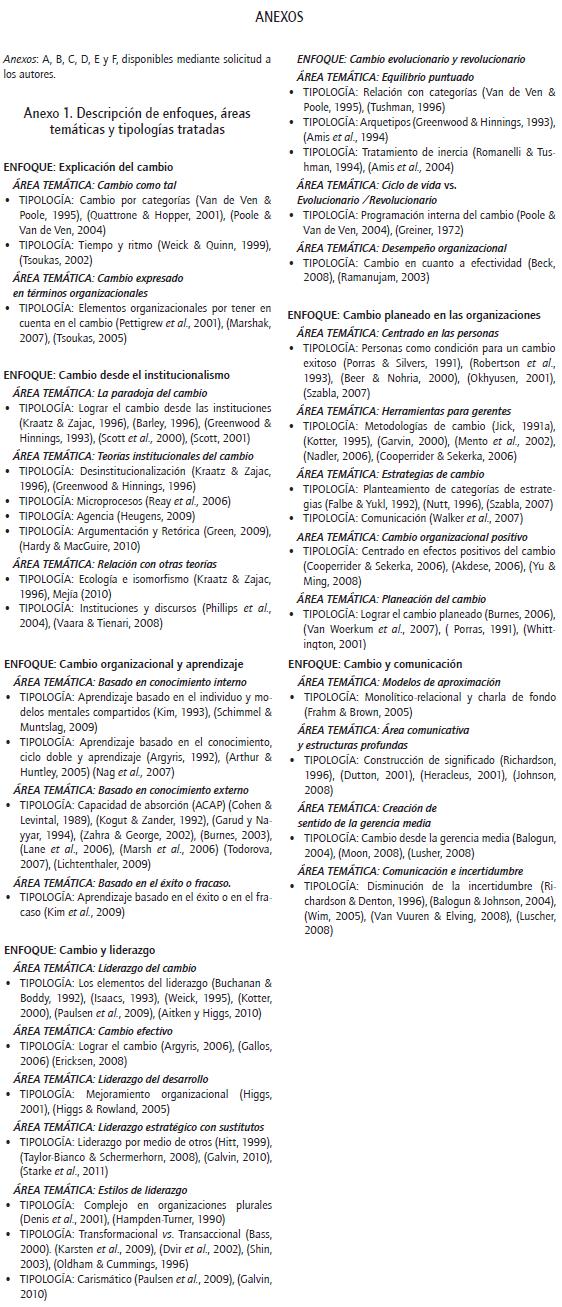
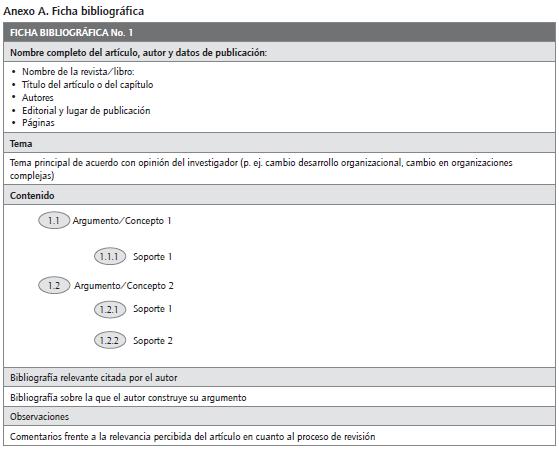
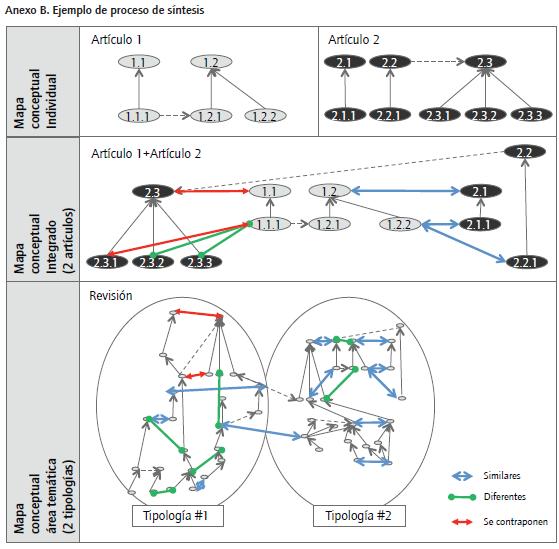
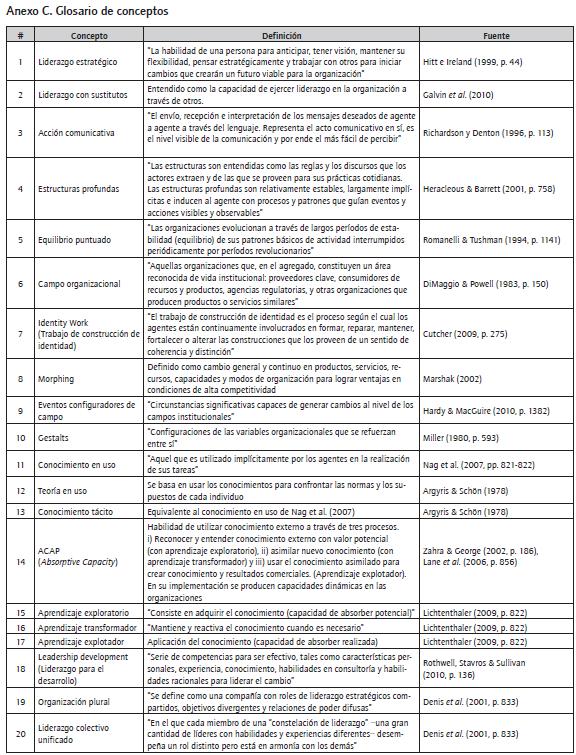
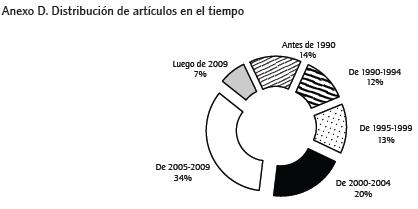
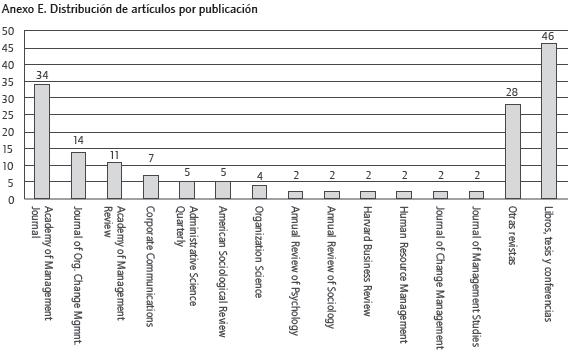
Referencias
Amis, J., Hinings, C. R. & Slack, T. (2004). The pace, sequence, and linearity of radical change. Academy of Management Journal, 47 (1), 15-39.
Arthur, J. B. & Huntley, C. L. (2005). Ramping up the organizational learning curve: assessing the impact of deliberate learning on organizational performance under gain sharing. Academy of Management Journal, 48 (6), 1159-1170.
Balogun, J. & Johnson, G. (2004). Organizational restructuring and middle manager sense making. Academy of Management Journal, 47 (4), 523-549.
Beck, N., Brüderl, J. & Woywode, M. (2008). Momentum of deceleration? theoretical and methodological reflections on the analysis of organizational change. Academy of Management Journal, 51 (3), 413-435.
Casile, M. & Davis-Blake, A. (2002). When accreditation standards change: Factors affecting differential responsiveness of public and private organizations. Academy of Management Journal, 45 (1), 180-195.
Denis, J., Lamothe, L. & Langley, A. (2001). The dynamics of collective leadership and strategic change in pluralistic organizations. Academy of Management Journal, 44 (4), 809-837.
Dimaggio, P. J. (1991). Introduction. En W. W. Powell y P. J. Dimaggio (eds.), The new institutionalism in organizational analysis (pp. 1-38). Chicago, IL: University of Chicago Press.
Douglas, W. E., Dejordy, R. & Lok, J. (2010). Being the change: Resolving institutional contradiction through identity work. Academy of Management Journal, 53 (6), 1336-1364.
Dutton, J., Ashford, S., O'Neill, R. & Lawrence, K. (2001). Moves that matter: issue selling and organizational change. Academy of Management Journal, 44 (4), 716-736.
Dvir, T., Eden, D., Avolio, B. & Shamir, B. (2002). Impact of transformational leadership on follower development and performance: a field experiment. Academy of Management Journal, 45 (4), 735-744.
Eriksen, M. (2008). Leading adaptive organizational change: selfreflexivity and self-transformation. Journal of Organizational Change Management, 21 (5), 622-640.
Falbe, C. M. & Yukl, G. (1992). Consequences for managers of using single influence tactics and combinations of tactics. Academy of Management Journal, 35 (3), 638-652.
Galvin, B., Balkundi, P. & Waldman, D. (2010). Spreading the word: the role of surrogates in charismatic leadership processes. Academy of Management Review, 35 (3), 477-494.
García-Morales, V., Matías-Reche, F. & Hurtado-Torres, N. (2008). Influence of transformational leadership on organizational innovation and performance depending on the level of organizational learning in the pharmaceutical sector. Journal of Organizational Change Management, 21 (2), 188-212.
Grant, D., Michelson, G., Oswick, C. & Wailes, N. (2005). Guest editorial: discourse and organizational change. Journal of Organizational Change Management, 18 (1), 6-15.
Green, S. (2009). Suspended in self-spun webs of significance: a rhetorical model of institutionalization and institutionally embedded agency. Academy of Management Journal, 52 (1), 11-36.
Greenwood, R. & Hinings, C. R. (1993). Understanding strategic organizational change: the contribution of archetypes. Academy of Management Journal, 36, 1052-1081.
Greenwood, R. & Hinings C. R. (1996). Understanding radical organizational change: Bringing together the old and the new institutionalism. Academy of Management Journal, 21 (4), 1022-1054.
Greenwood, R., Suddaby, R. & Hinings, C. (2002). Theorizing change: the role of professional associations in the transformation of institutionalized fields. Academy of Management Journal, 45 (1), 58-80.
Greenwood, R. & Suddaby, R. (2006). Institutional entrepreneurship in mature fields: the big five accounting firms. Academy of Management Journal, 49 (1), 27-48.
Hardy, C. & Macguire, S. (2010). Discourse, field-configuring events, and change in organizations and institutional fields: narratives of ddt and the stockholm convention. Academy of Management Journal, 53 (6), 1365-1392.
Heracleous, L. & Barrett, M. (2001). Organizational change as discourse: Communicative actions and deep structures in the context of information technology implementation. Academy of Management Journal, 44 (4), 755-778.
Heugens, P. (2009). Structure! agency! (and other quarrels): a metaanalysis of institutional theories of organization. Academy of Management Journal, 52 (1), 61-85.
Higgs, M. J. & Rowland, D. (2005). All changes great and small. Journal of Change Management, 5 (2), 121-135.
Hitt, M. & Ireland, R. D. (1999). Achieving and maintaining strategic competitiveness in the 21st century: the role of strategic leadership. The Academy of Management Executive, 13, 43-57.
Karsten, L., Keulen, S., Kroeze, R. & Peters, R. (2009). Leadership style and entrepreneurial change: the centurion operation at Philips electronics. Journal of Organizational Change Management, 22 (1), 73-91.
Kim, D. H. (1993). The link between individual and organizational learning. Sloan Management Review, 35 (1), 37-50.
Kotter, J. P. (1995). Why transformation efforts fail. Harvard Business Review, 74 (2), 56-67.
Kotter, J. (2000). Leading change. Boston, MA: Harvard Business school Press.
Kraatz, M. & Moore, J. (2002). Executive migration and institutional change. Academy of Management Journal, 45 (1), 120-143.
Kraatz, M. & Zajac, E. (1996). Exploring the limits of the new institutionalism: the causes and consequences of illegitimate organizational change. American Sociological Review, 61 (5), 812-836.
Lane, P., Koka, B. & Pathak, S. (2006). The reification of absorptive capacity: a critical review and rejuvenation of the construct. Academy of Management Review, 31 (4), 833-863.
Leblebici, H., Salancik, G., Copay, A. & King, T. (1991). Institutional change and the transformation of interorganizational fields: an organizational history of the U.s. Radio broadcasting industry. Administrative Science Quarterly, 36, 333-363.
Lichtenthaler, U. (2009). Absorptive capacity, environmental turbulence, and the complementarity of organizational learning processes. Academy of Management Journal, 52 (4), 822-846.
Lok, J. & Willmott, H. (2006). Institutional theory, language, and discourse analysis: a comment on Phillips, lawrence, and Hardy. Academy of Management Review, 31 (2), 477-488.
Luscher, L. (2008). Organizational change and managerial sensemaking: Working through paradox. Academy of Management Journal, 51 (2), 221-240.
McGuire, D. & Hutchings, K. (2006). A machiavellian analysis of organizational change. Journal of Organizational Change Management, 19 (2), 192-209.
Mento, A. J., Jones, R. M. & Dirndorfer, W. (2002). A change management process: Grounded in both theory and practice. Journal of Change Management, 3 (1), 45-59.
Miller, D. & Friesen, P. (1980). Momentum and revolution in organizational adaptation. Academy of Management Journal, 23 (4), 591-614.
Nag, R., Corley, K. & Gioia, D. (2007). The intersection of organizational identity, knowledge, and practice: attempting strategic change via knowledge grafting. The Academy of Management Journal, 50 (4), 821-847.
Okhuysen, G. (2001). Structuring change: Familiarity and formal interventions in problem solving groups. Academy of Management Journal, 44 (4), 794-808.
Oldham, G. & Cummings, A. (1996). Employee creativity: Personal and contextual factors at work. Academy of Management Journal, 39, 607-634.
Paulsen, N., Maldonado, D., Callan, V. & Ayoko, O. (2009). Charismatic leadership, change and innovation in an R&D organization. Journal of Organizational Change Management, 22 (5), 511-523.
Pettigrew, A. M., Woodman, R. W. & Cameron, K. S. (2001). Studying organizational change and development: Challenges for future research. Academy of Management Journal, 44 (4), 697-713.
Phillips, N., Lawrence, T. & Hardy, C. (2004). Discourse and institutions. Academy of Management Review, 29 (4), 635-652.
Ramanujam, R. (2003). The effects of discontinuous change on latent errors in organizations: the moderating role of risk. Academy of Management Journal,46 (5), 608-617.
Reay, T., Golden-Biddle, K. & Germann, K. (2006). Legitimizing a new role: small wins and micro-processes of change. Academy of Management Journal, 49 (4), 977-998.
Robertson, P. J., Roberts, D. R. & Porras, J. I. (1993). Dynamics of planned organizational change: assessing empirical support for a theoretical model. Academy of Management Journal, 36 (3), 619-634.
Romanelli, E. & Tushman, M. (1994). Organizational transformation as punctuated equilibrium: an empirical test. Academy of Management Journal, 37 (5), 1141-1166.
Santos, F. & Pache, A. (2010). When worlds collide: the internal dynamics of organizational responses to conflicting institutional demands. Academy of Management Review, 35 (3), 455-476.
Shaw, P. (1997). Intervening in the shadow systems of organisations: Consulting from a complexity perspective. Journal of Organizational Change Management, 10 (3), 235-250.
Shin, S. & Zhou, J. (2003). Transformational leadership, conservation, and creativity: evidence from Korea. Academy of Management Journal, 46 (6), 703-714.
Starke, F., Sharma, G., Mauws, M., Dyck, B. & Dass, P. (2011). Exploring archetypal change: the importance of leadership and its substitutes. Journal of Organizational Change Management, 24 (1), 29-50.
Taylor-Bianco, A. & Schermerhorn, JR., J. (2008). Self-regulation, strategic leadership and paradox in organizational change. Journal of Organizational Change Management, 19 (4), 457-470.
Todorova, G. & Durisin, B. (2007) Note. Absorptive capacity: valuing a reconceptualization. Academy of Management Review, 32 (3), 774-786.
Tsoukas, H. (2005). Afterword: Why language matters in the analysis of organizational change. Journal of Organizational Change Management, 18, 96-104.
Vaara, E. & Tienari, J. (2008). A discursive perspective on legitimation strategies in multinational corporations. Academy of Management Review, 33 (4), 985-993.
Van de ven, A. & Poole, S. (1995). Explaining development and change in organizations. The Academy of Management Review, 20 (3), 510-540.
Van Woerkum, C., Aarts, M. & De Grip, K. (2007). Creativity, planning and organizational change. Journal of Organizational Change Management, 20(6)847-865.
Walker, J., Armenakis. A. & Bernerth, J. (2007). Factors influencing organizational change efforts: an integrative investigation of change content, context, process and individual differences. Journal of Organizational Change Management, 20 (6), 761-773.
Young, M. (2009). A meta model of change. Journal of Organizational Change Management, 22 (5), 524-548.
Yu, B. & Ming, T. (2008). Effects of control mechanisms on positive organizational change. Journal of Organizational Change Management, 21 (3), 385-404.
Zahra, S. & George, G. (2002). Absorptive capacity: a review, reconceptualization, and extension. Academy of Management Review, 17 (2), 185-203.
Bibliografía complementaria
Grubbs, J. W. (2000). A critical theory of interorganizational change. Journal of Organizational Change Management, 13 (3), 221-234.
Seo, M. & Creed, W. E. D. (2002). Institutional contradictions, praxis, and institutional change: a dialectical perspective. Academy of Management Review, 27 (2), 222-247.
Schweiger, D. & Denisi A. (1991).Communicating with employees following a merger: a longitudinal field experiment. Academy of Management Journal, 34, 110-135.
Bibliografía metodológica
Academy of management Journal (13 de abril de 2013). Guidelines for reviewers 2007-2010. Obtenido de: http://www.aom.pace.edu/amj/reviewer_guidelines.html.
Doty, D. H. y Glick, W. H. (1994). Typologies as a unique form of theory building: toward improved understanding and modeling. Academy of Management Review, 19 (2), 230-251.
Fiss, P. C. (2011). Building better causal theories: a fussy set approach to typologies in organization research. Academy of Management Journal, 54 (2), 393-420.
Cómo citar
APA
ACM
ACS
ABNT
Chicago
Harvard
IEEE
MLA
Turabian
Vancouver
Descargar cita
Visitas a la página del resumen del artículo
Descargas
Licencia
Derechos de autor 2013 Innovar

Esta obra está bajo una licencia internacional Creative Commons Reconocimiento-NoComercial-CompartirIgual 3.0.
Todos los artículos publicados por Innovar se encuentran disponibles globalmente con acceso abierto y licenciados bajo los términos de Creative Commons Atribución-No_Comercial-Sin_Derivadas 4.0 Internacional (CC BY-NC-ND 4.0).
Una vez seleccionados los artículos para un número, y antes de iniciar la etapa de cuidado y producción editorial, los autores deben firmar una cesión de derechos patrimoniales de su obra. Innovar se ciñe a las normas colombianas en materia de derechos de autor.
El material de esta revista puede ser reproducido o citado con carácter académico, citando la fuente.
Esta obra está bajo una Licencia Creative Commons: