Visits:

All content is open access.
 Portal de revistas
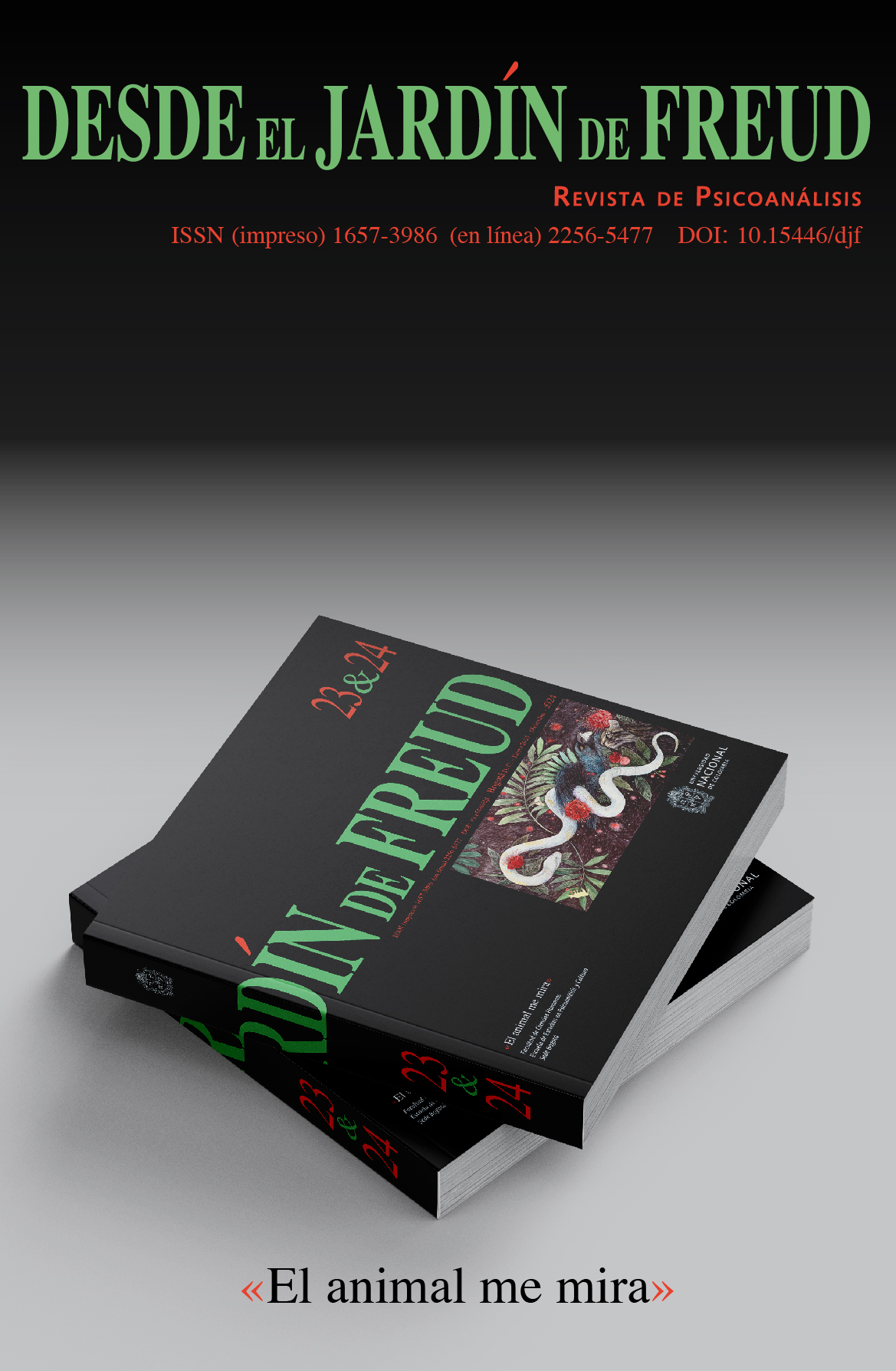
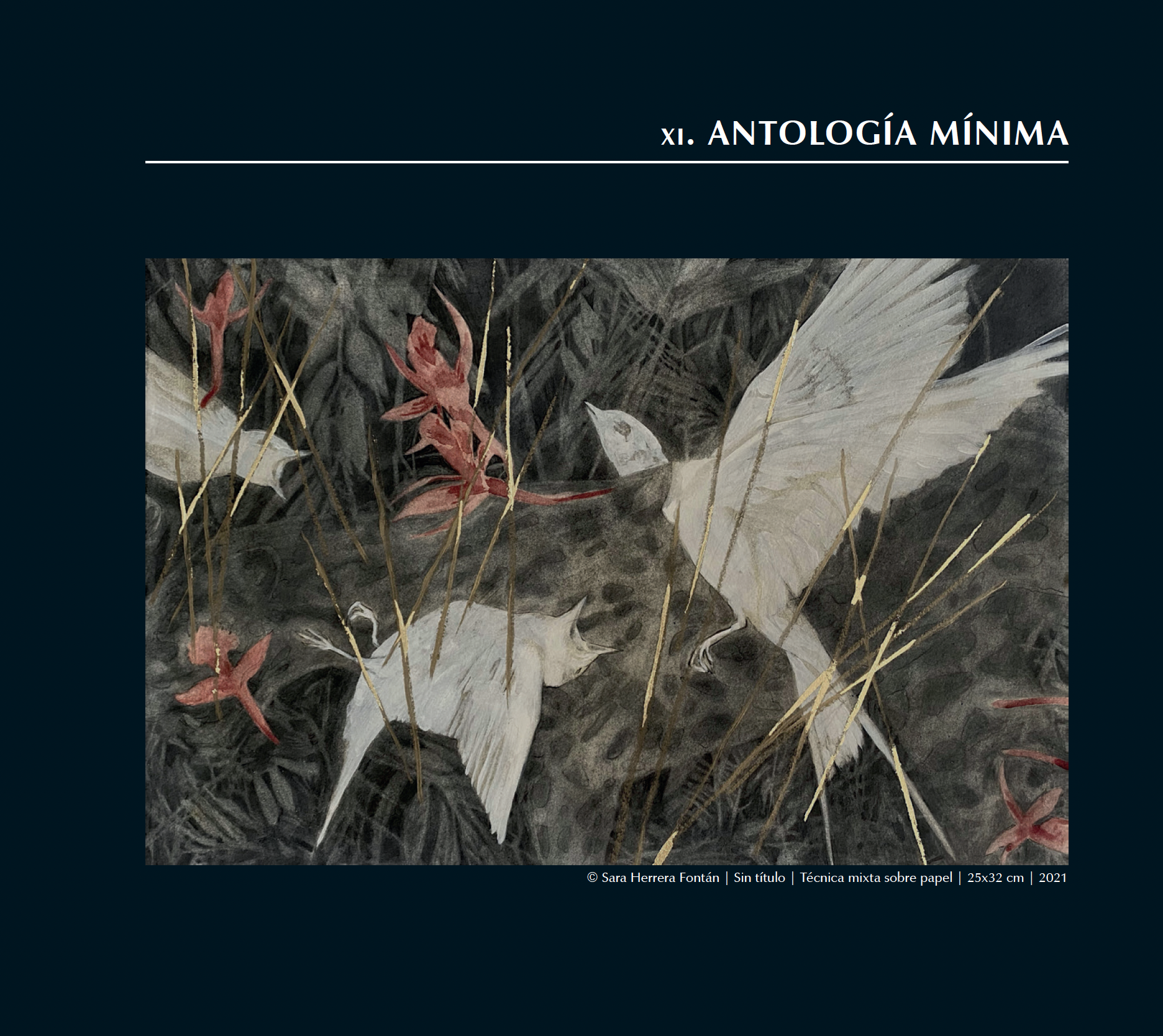
According to Genesis, on the fifth day of the origins of the world, after God had created the heavens, the earth, the waters, and vegetation, He said: “Let the waters teem with living creatures, and let birds fly above the earth across the vault of the sky”. The biblical account relates that the Creator called into existence, solely through His word, all living animals: crawling, swimming, flying, and terrestrial. Immediately thereafter, seeing that His work was good, He blessed His creatures, saying: “Be fruitful and multiply, and fill the waters in the seas, and let the birds increase on the earth”. On the following day, He created the human being in His image and likeness, so that he might rule over the animals of the air, the land, the waters, and the marshes. Since then, the human creature —imbued with more vanity than divinity— has lorded over the beasts that preceded it.
This dominion began with hunting, domestication, breeding, and the cutting up of bodies for their use. Thus animals are “benefited”: by being exploited to the utmost, leaving nothing behind. Later, they also became marvel, spectacle, and circus. The magnificent lion jumps through the hoop; the restless little monkey is dressed in silk; the panther, no longer climbing trees, paces back and forth in a barred cage: splendid ferocity tamed by the lash. The diligent master of beasts, now equipped with the devices of science, classifies them, dismembers them once again; he fixes the restless butterfly in a display case, accumulates thousands of corpses in the orderly drawers of knowledge. Thus, of the insect, only its iridescent wings remain, its ocelli, eyes that do not see and yet gaze upon the obstinacy of human labor. The scholar spies on what they eat, how they live, when and how they mate, how they fight, what adventures their offspring undergo. The scientist observes; he believes he does not intervene in that life which unfolds in perfect completeness. And yet, a question sustains his classificatory gaze, his scalpel-like eye a question that perhaps exceeds the copious reports on the lives of animals as objects of science.
What, then, is the unknown impulse that animates such observation?
The preceding lines opened a broad field of inquiry, which was unfolded—with nuances of great interest—by our contributors: questions addressed to the heavy distinctions between the human and the animal; the place of animals in foundational and passage rites; the recourse to the animal model in certain psychopathologies; the function of animal representation in collective formations and also in delusional constructions; the expansion of the megafarm paradigm and the cruelty of animal treatment; the brutalization of the enemy in armed conflicts. And more…
Frequently, the reader will find that the authors have made fruitful use of a counterpoint with certain elaborations from the field of philosophy, while also allowing themselves to be guided by artistic and literary productions, in order to refine the questions that motivated this issue of the journal. We hope that the knowledge distilled here, with subtlety, by each author, will also allow us to say once again, with the writer Jenny Diski: What I Do Not Know About Animals.


Visits:
All content is open access.
Call for Papers (open):
Number 28 (2026)
"GENDER, THE PHALLUS, TRANS EXPERIENCES: CONTEMPORARY DILEMMAS OF SEXUATION AND EROS"

Download the Call for papers N° 28
Author guidelines ?
Indexed and registered in:


















Follow us:



Get our physical copies:
